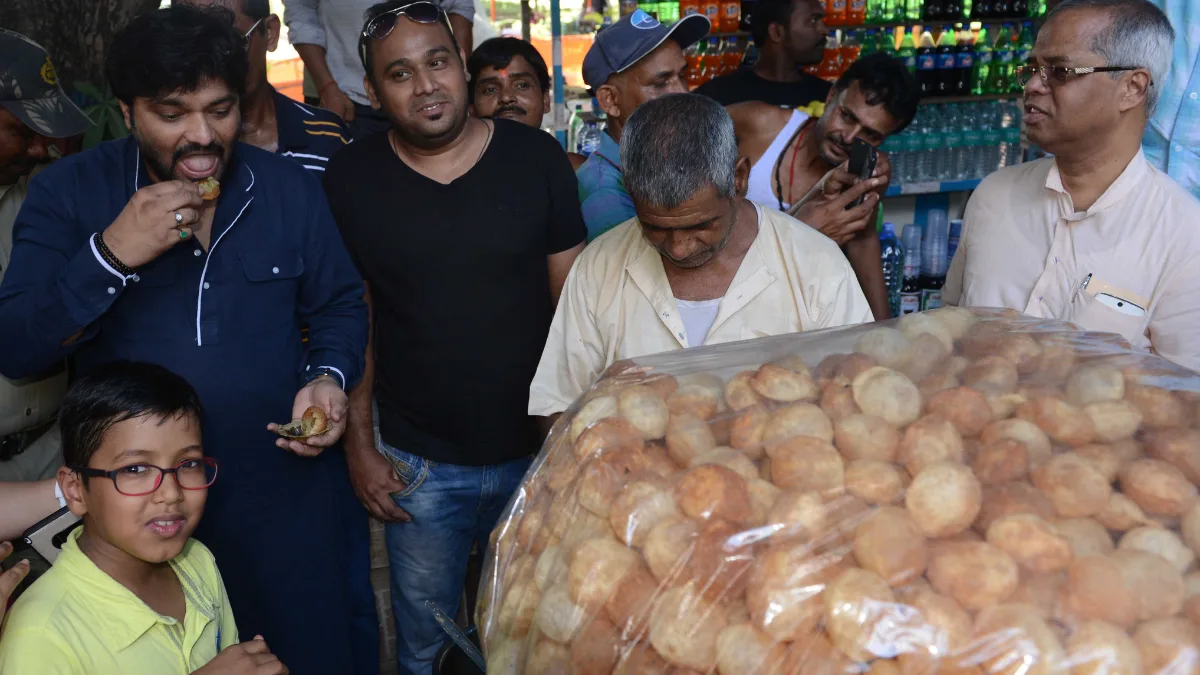
Laboratory tests on samples collected from puchka vendors in Hooghly’s Khanakul-Arambagh subdivision detected the presence of Escherichia coli (E. coli), prompting health experts to urge people to exercise caution while consuming roadside puchkas.
“The number of patients complaining of stomach ache after consuming puchkas has increased significantly,” said Dr Pradeep Das, president of the Serampore branch of the Indian Medical Association (IMA).
Advertisement
“Many patients reported developing stomach pain, vomiting and loose motion soon after eating puchkas. Recent laboratory tests of flavoured puchka water confirmed the presence of E. coli. While many strains of the bacterium are harmless, some produce dangerous toxins that can cause severe stomach cramps, bloody diarrhoea and even kidney failure,” he said.
The warning comes amid complaints from residents in the Khanakul-Arambagh subdivision, after which the district health department collected samples of puchka water from four roadside vendors.
Laboratory analysis confirmed the presence of E. coli bacteria in the samples.
Block Medical Officer of Health Dr Ratim Chatterjee said the contaminated water could lead to severe gastrointestinal infections and, in some cases, respiratory and urinary tract infections.
“To prevent the spread of infection, drives are being conducted against vendors who fail to maintain hygiene. They have been directed to use sealed packaged drinking water for preparing puchka water, maintain cleanliness, wash their hands after handling money, use clean utensils and keep the potato filling and flavoured water covered,” Chatterjee said.
BJP MLA from Khanakul, Susanta Ghosh, said the administration was considering bringing puchka sellers and other roadside food vendors under the Food Safety and Quality Control Department.
“A registration process will be initiated and licences will be issued to vendors to ensure food safety standards are maintained,” Ghosh said.
Dr Das said the IMA has also launched an awareness campaign for both street food vendors and consumers on hygienic practices and safe eating habits.
“Besides treatment, we are educating vendors and consumers about the dos and don’ts of roadside food. Children and elderly people should avoid eating roadside food items, as they are more vulnerable to food-borne infections,” he added.