Saying goodbye to pacifism
A nation that once renounced war now stands at the edge of rewriting its identity. Japan, shaped by the ashes of World War II, based its global reputation on peace, restraint, and constitutional idealism.
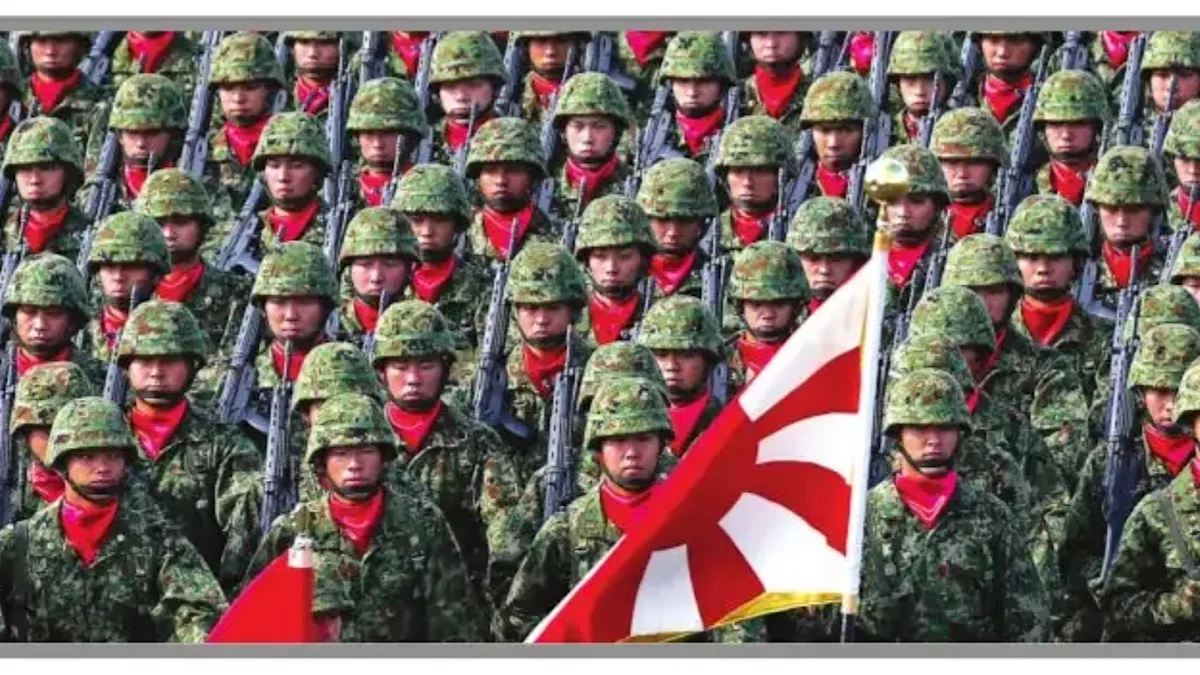
A nation that once renounced war now stands at the edge of rewriting its identity. Japan, shaped by the ashes of World War II, based its global reputation on peace, restraint, and constitutional idealism.
As World War II ended, the victors, USA, USSR, Britain and China, established the United Nations (UN) with the avowed aim of maintaining international peace and security, and developing friendly relations among states.
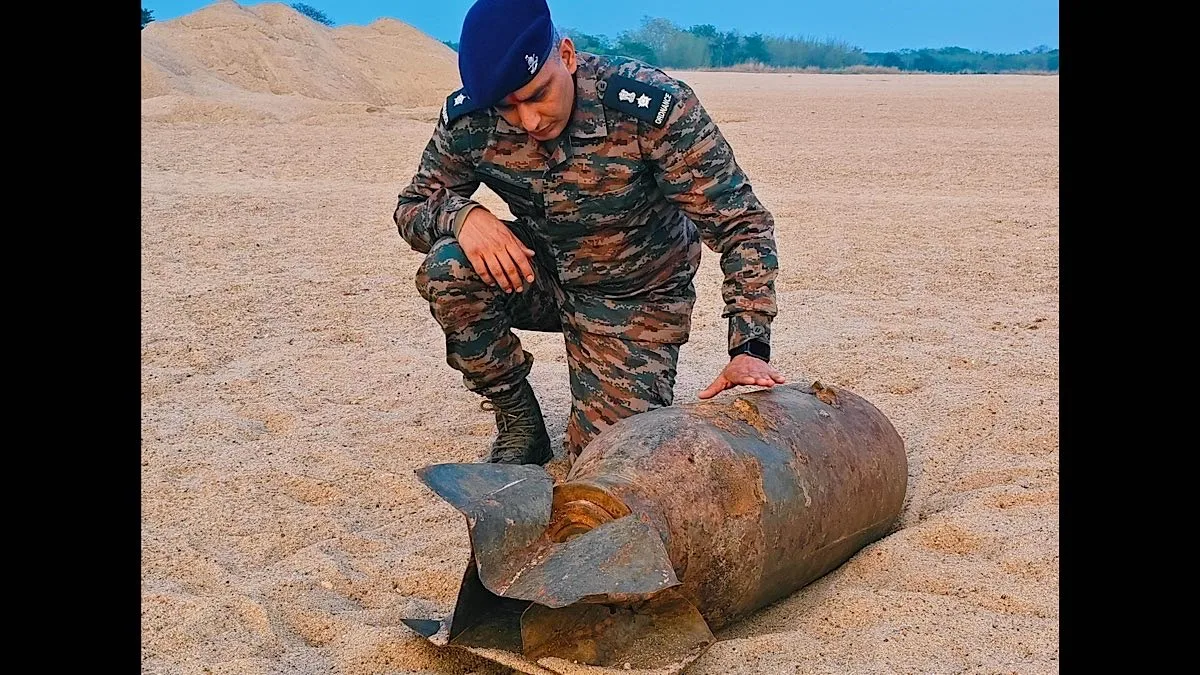
What began as the recovery of a single World War II-era bomb in Jharkhand’s Baharagora has now escalated into a wider security concern, with early indications suggesting the possibility of a cluster of unexploded ordnance beneath the area.
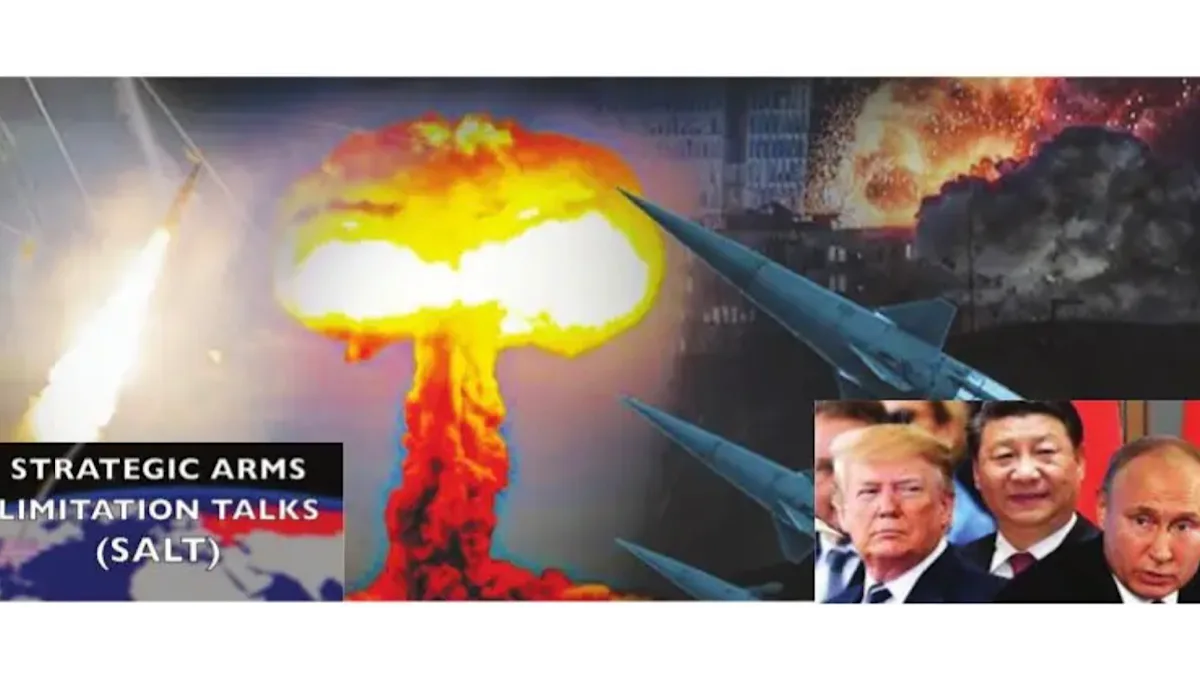
The nuclear arms race and Cold War, begun during the closing stages of World War II, gradually petered down with SALT (Strategic Arms Limitation Talks) I and II agreements of 1972 and 1979 between the US and USSR.

The international order built after World War II was never flawless, but it rested on a shared assumption: that power would be exercised within agreed limits.
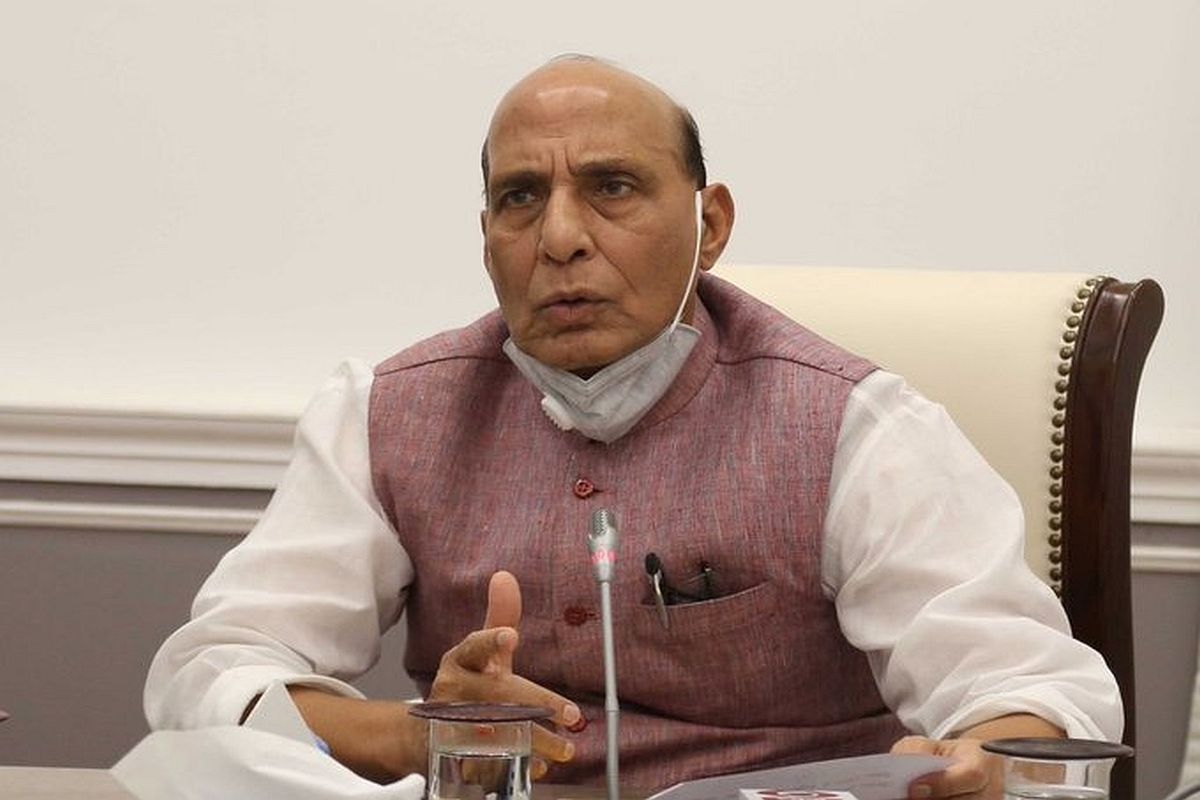
A tri-service 75-member Indian Military Contingent has already reached Moscow to participate in the Victory Parade.
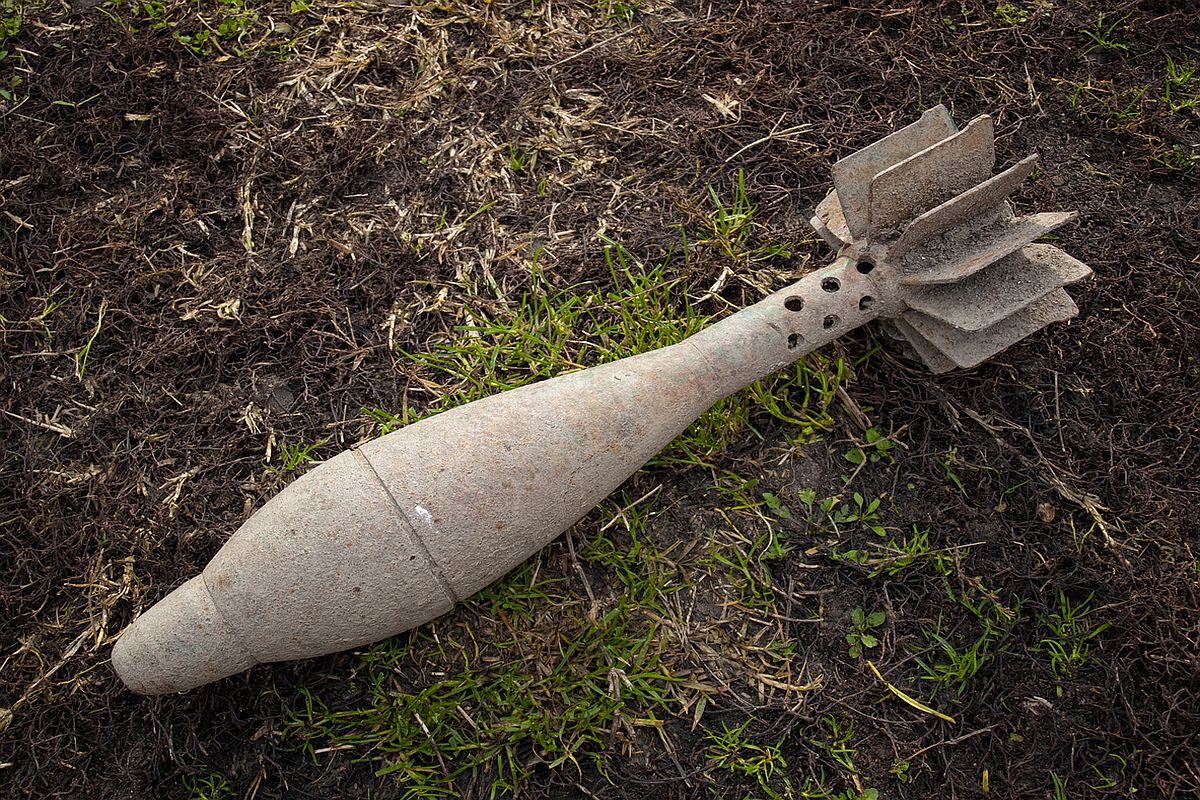
Tollen villagers had found one of the 50mm shells while digging a grave and another during cleaning a nearby riverbank around three months ago.

To make online teaching effective, it’s required to create the entire experience as close to real classrooms.
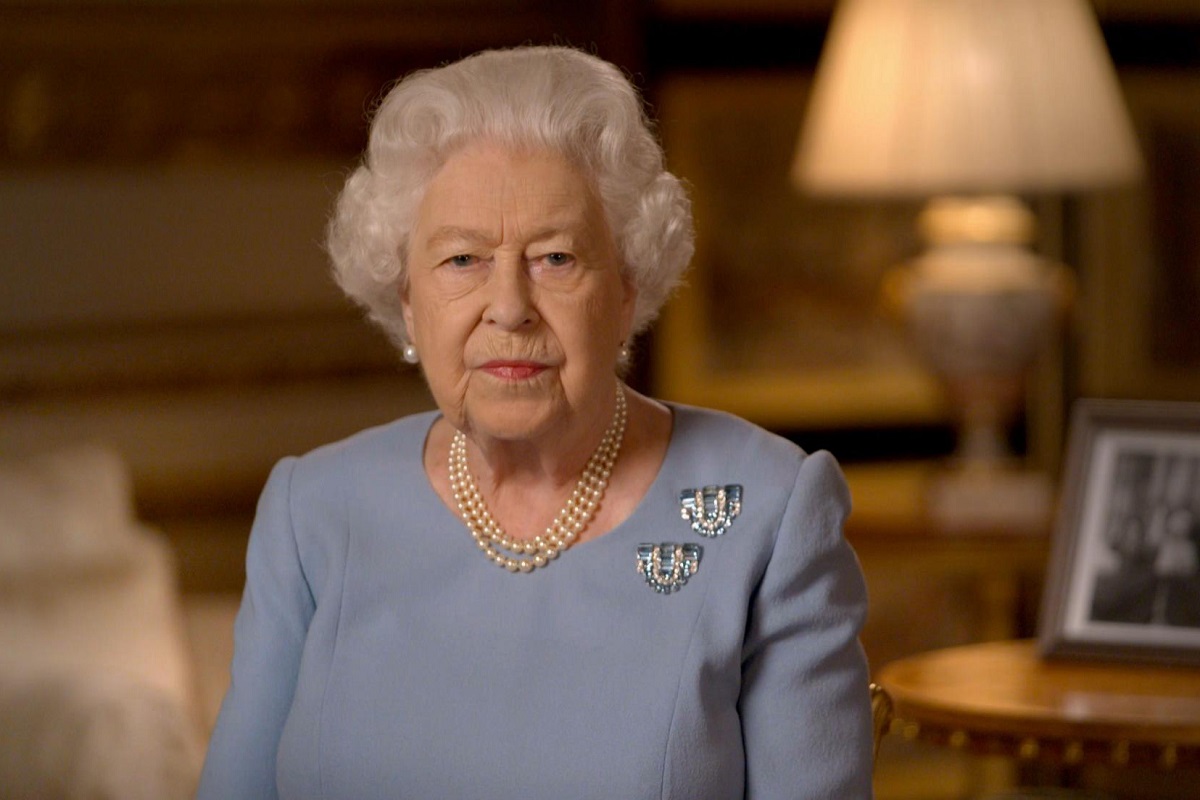
In 1945, the queen -- then a 19-year-old princess -- left Buckingham Palace to join the celebrations on the streets of London with her younger sister Margaret and a group of friends.
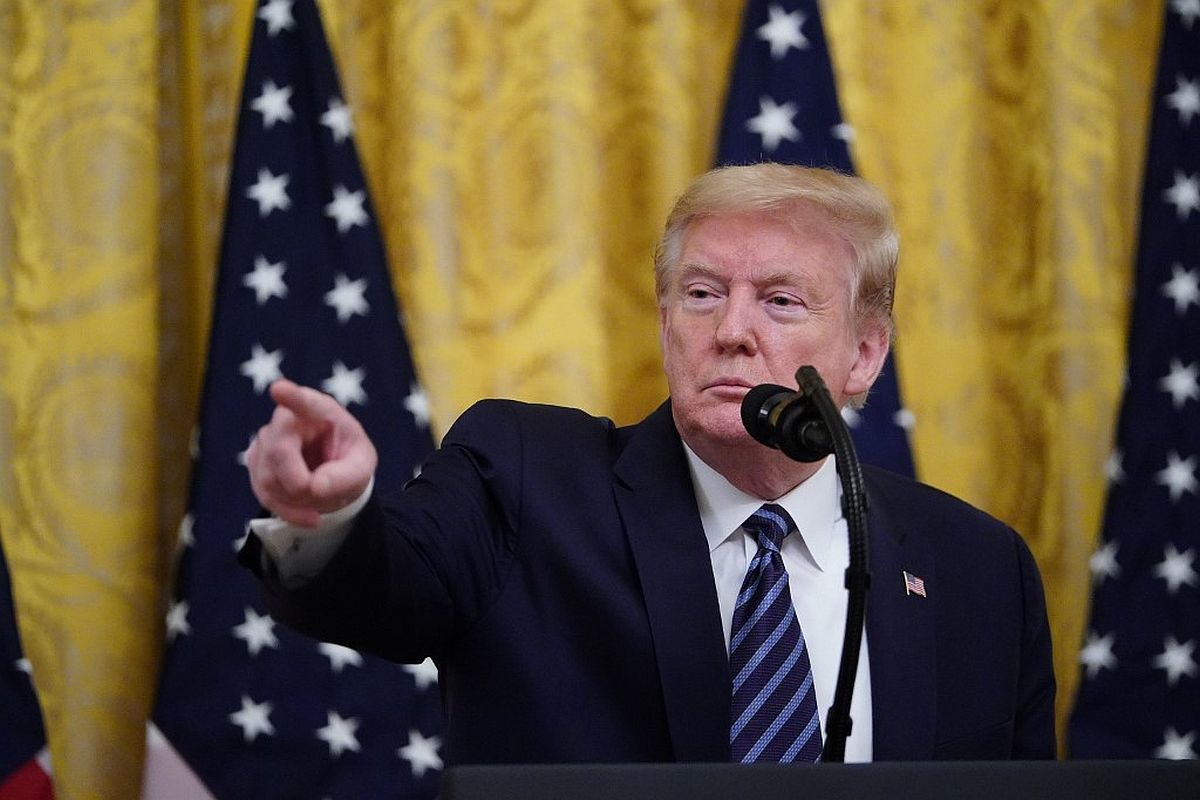
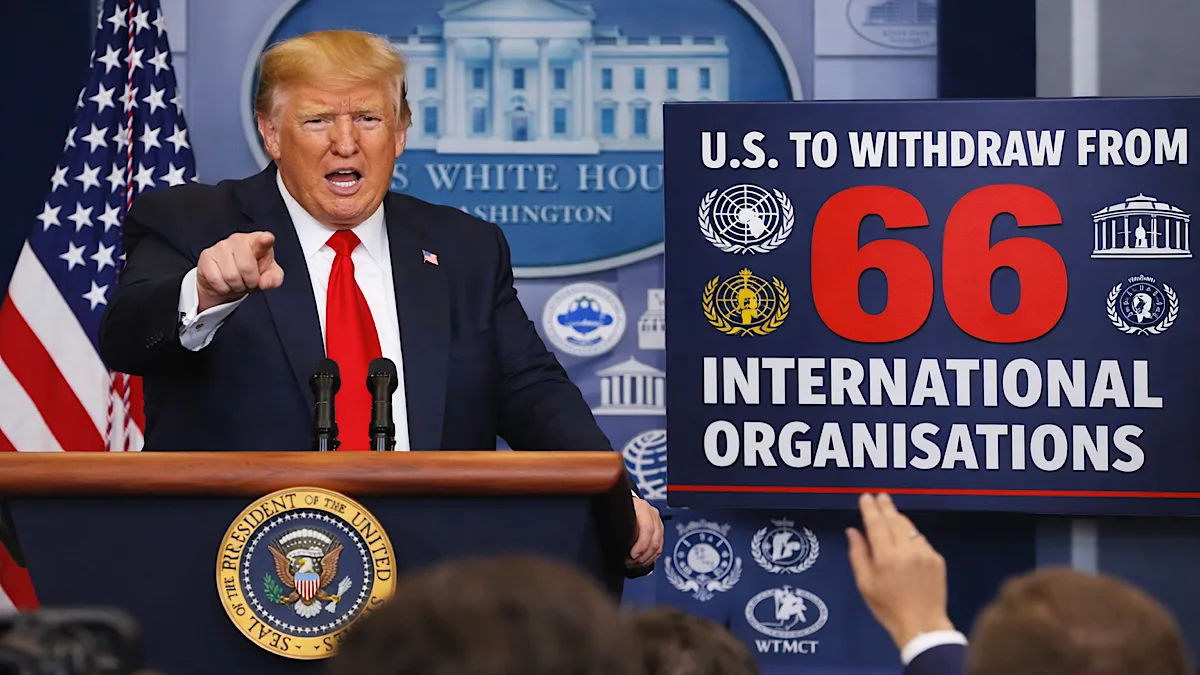
While it remains the world’s most powerful country in terms of economy and military, it apparently is losing or waning its long-standing socio-economic-political influence or presence across the world in recent years.