Saying goodbye to pacifism
A nation that once renounced war now stands at the edge of rewriting its identity. Japan, shaped by the ashes of World War II, based its global reputation on peace, restraint, and constitutional idealism.
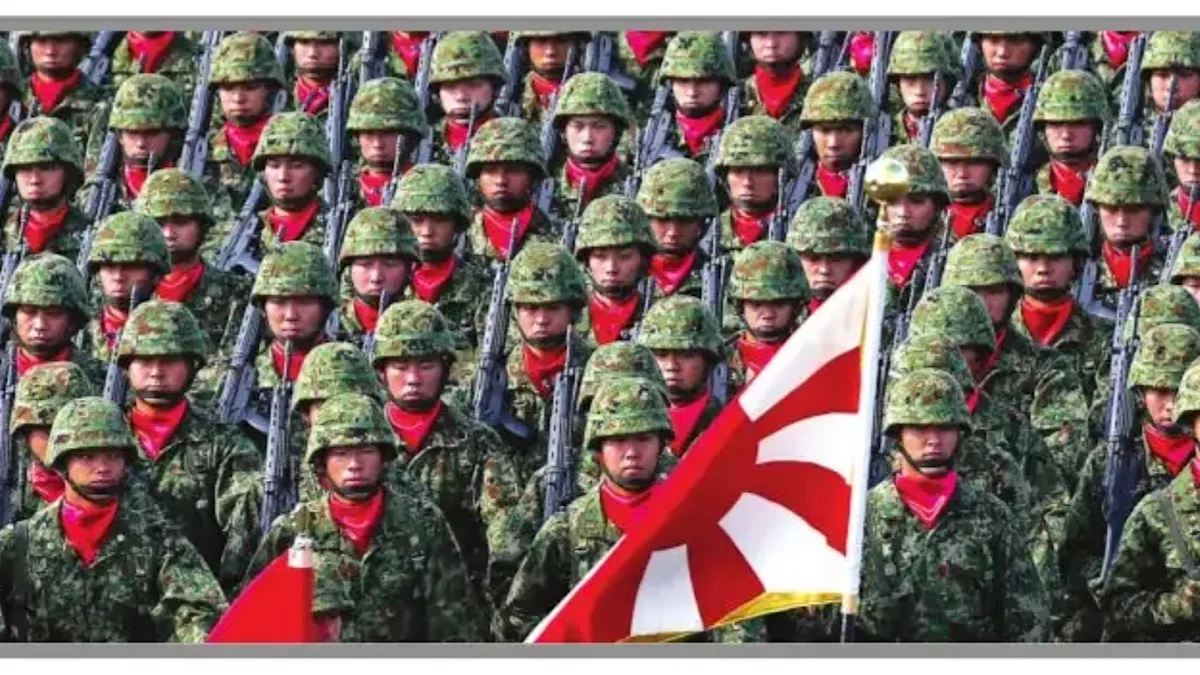
A nation that once renounced war now stands at the edge of rewriting its identity. Japan, shaped by the ashes of World War II, based its global reputation on peace, restraint, and constitutional idealism.
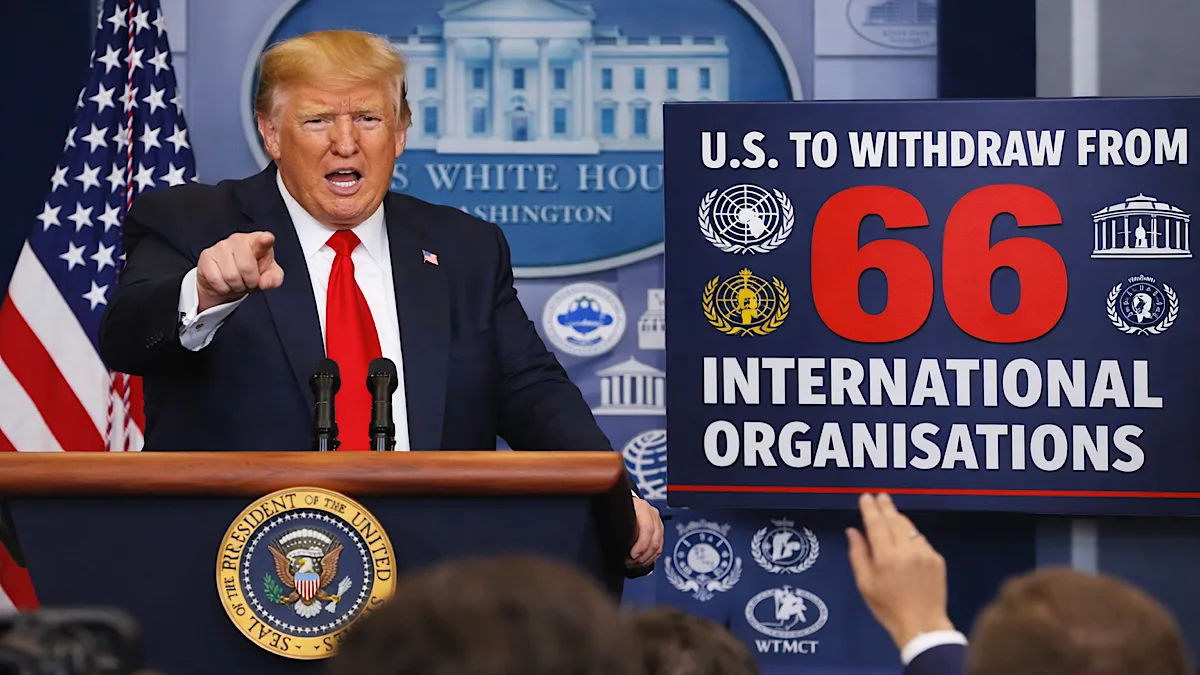
As World War II ended, the victors, USA, USSR, Britain and China, established the United Nations (UN) with the avowed aim of maintaining international peace and security, and developing friendly relations among states.
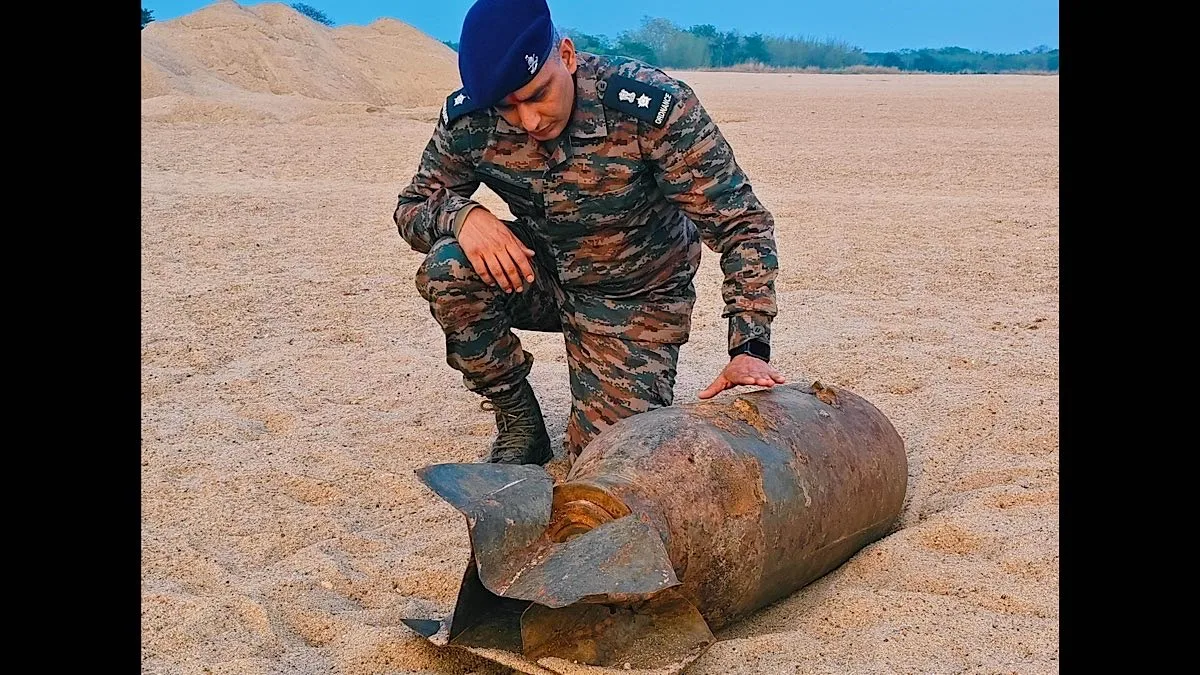
What began as the recovery of a single World War II-era bomb in Jharkhand’s Baharagora has now escalated into a wider security concern, with early indications suggesting the possibility of a cluster of unexploded ordnance beneath the area.
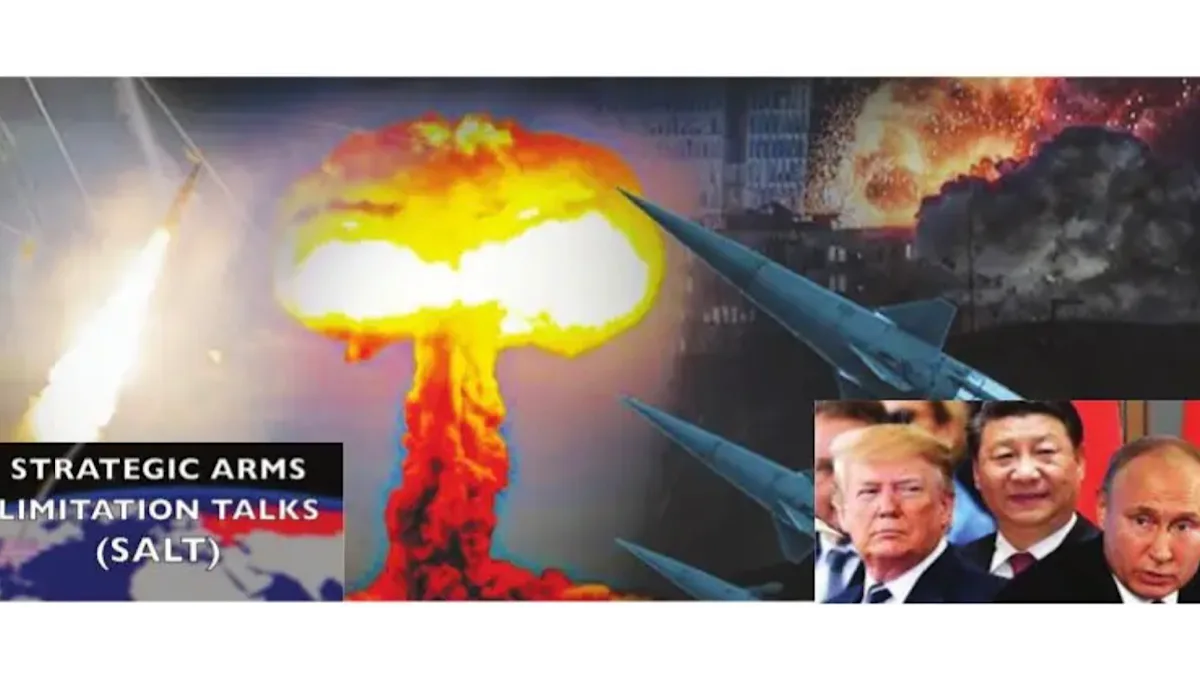
The nuclear arms race and Cold War, begun during the closing stages of World War II, gradually petered down with SALT (Strategic Arms Limitation Talks) I and II agreements of 1972 and 1979 between the US and USSR.

The international order built after World War II was never flawless, but it rested on a shared assumption: that power would be exercised within agreed limits.
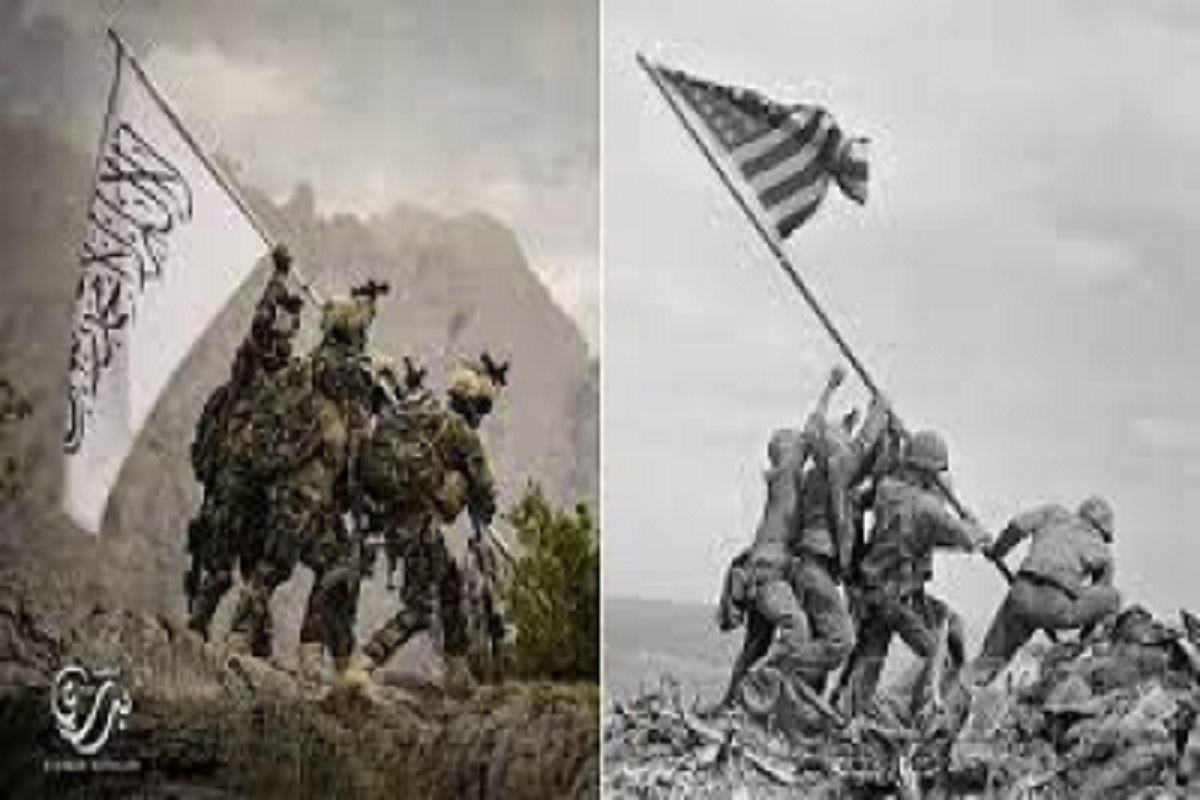
An elite unit of Taliban fighters, wearing US-made tactical gear they apparently captured from retreating Afghan forces, has posed for a propaganda photo, which many outraged Americans found to be the "ultimate insult", Russia Today reported.
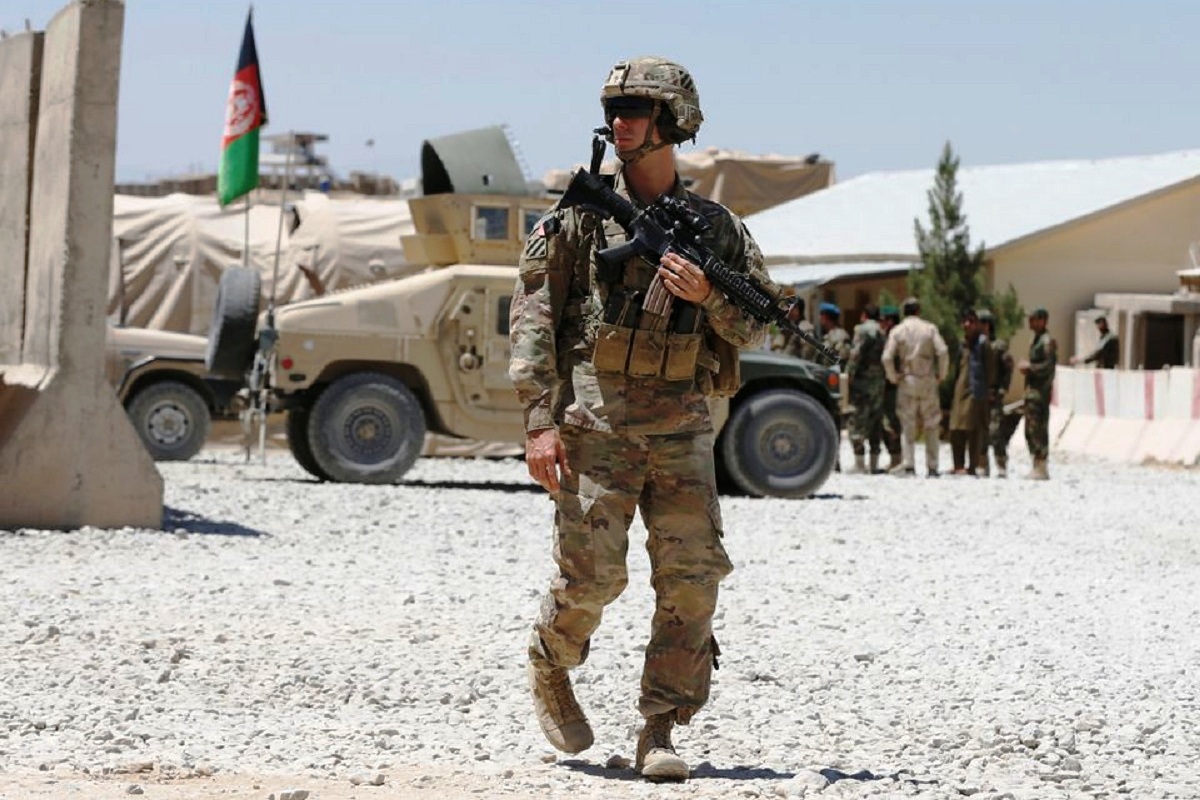
Afghanistan has been a debacle for the Americans, but no less so for the Indians.
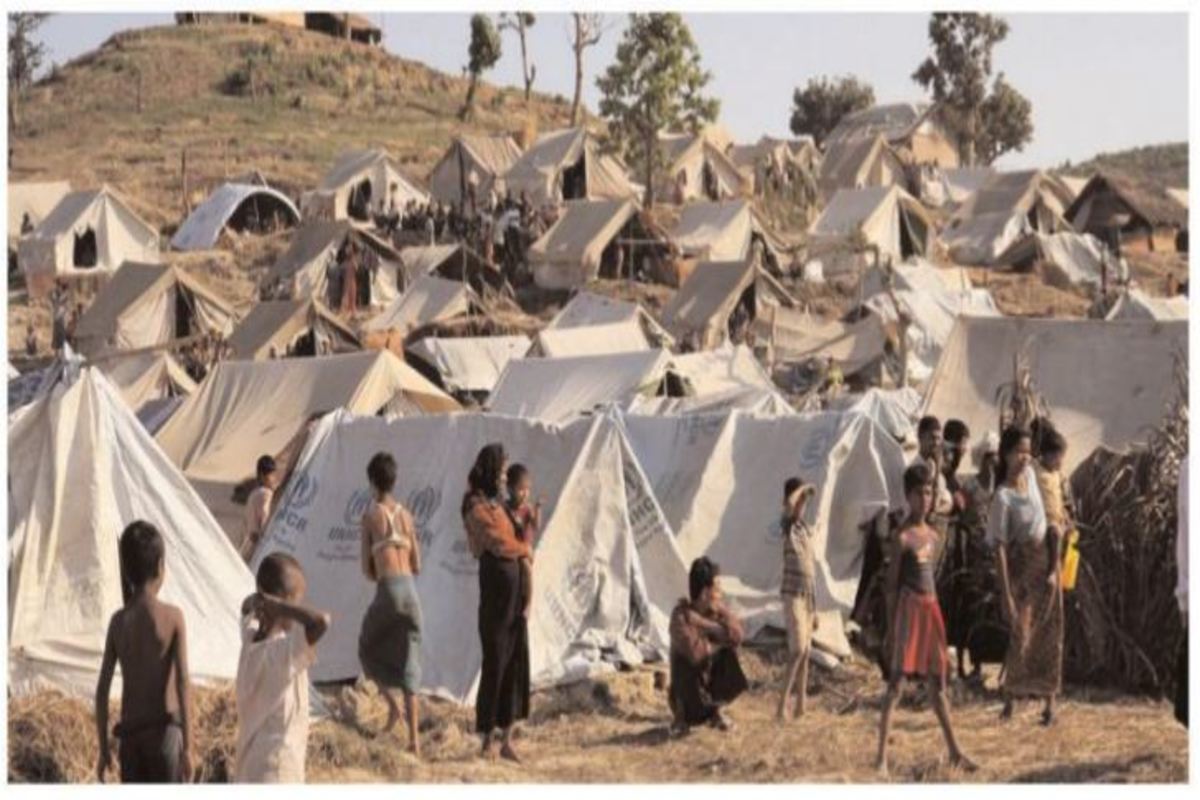
It is a dilemma to balance perceptions of national security with the justification for humanitarianism. Retrospective ethical judgements are arrived at more easily. The same yardstick will apply to Indias stand on refugees fleeing from the brutal Myanmar army earlier and today, whose return to their homeland looks far from certain.
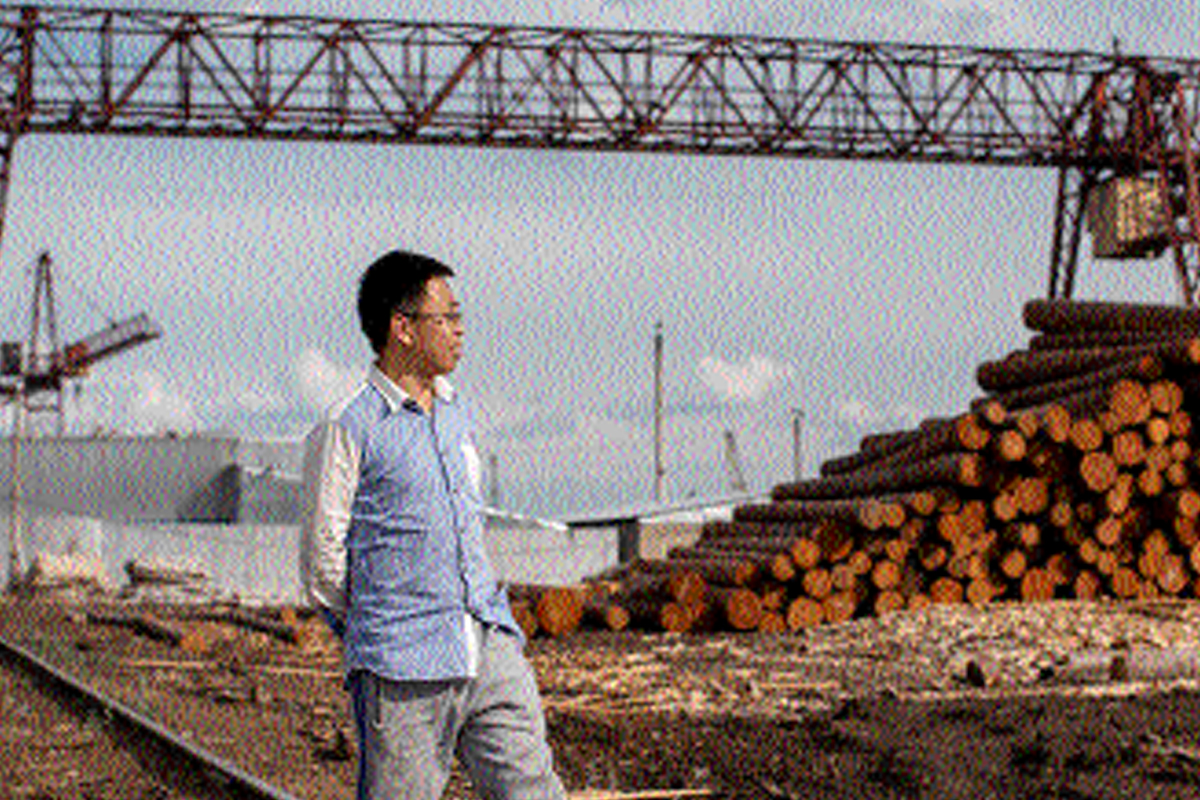
Siberians have realized that, for better or for worse, Beijing is a lot closer than Moscow. The land is already providing China, ‘the factory of the world,‘ with much of its raw materials, especially oil, gas and timber. Increasingly, Chinese-owned factories in Siberia churn out finished goods, as if the region already were a part of the Middle Kingdom‘s economy
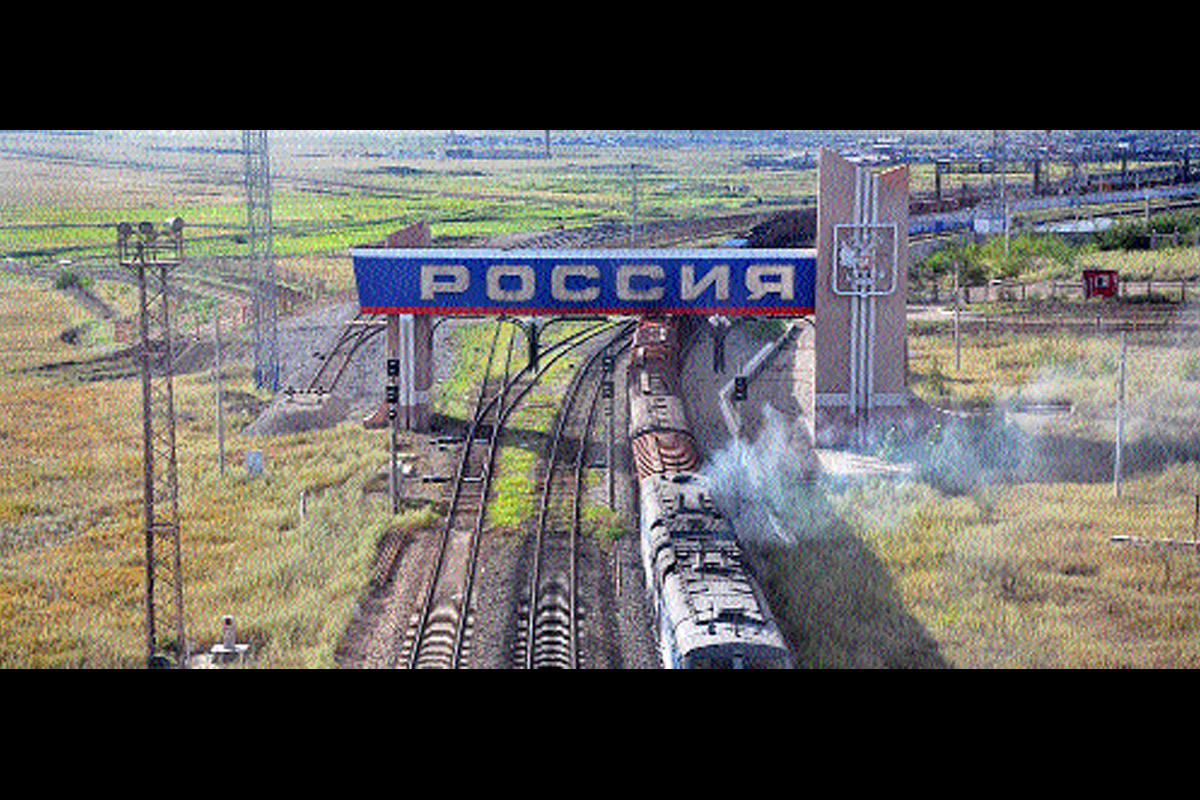
Vladimir Putin probably had this grandeur in his mind when he described the breakup of the Soviet Union as the ‘greatest geopolitical catastrophe of the century‘, when Russia lost its power and influence in the world, especially in Eastern Europe, besides losing territories it had controlled for centuries.