At NATO summit in Ankara, Zelenskyy announces three new drone deals with European allies
Four years of war built an industry nobody expected. Now Denmark, Estonia and Netherlands want in on it too. Nine deals signed, and Zelenskiy isn't done yet.
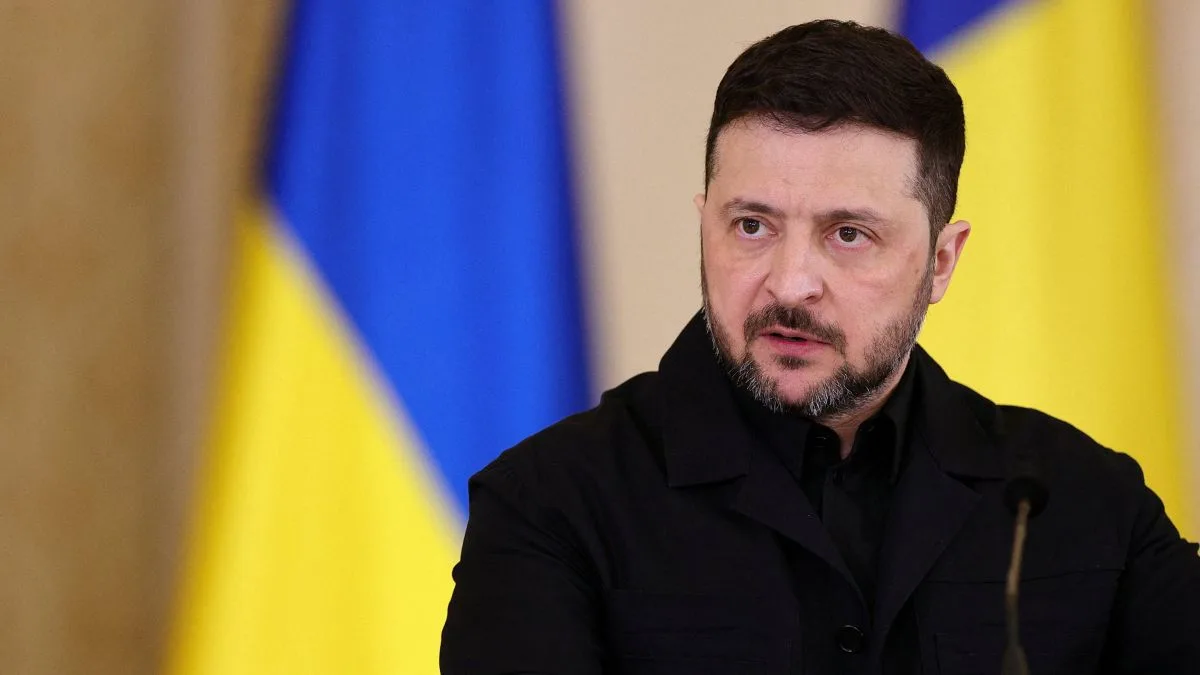
Four years of war built an industry nobody expected. Now Denmark, Estonia and Netherlands want in on it too. Nine deals signed, and Zelenskiy isn't done yet.
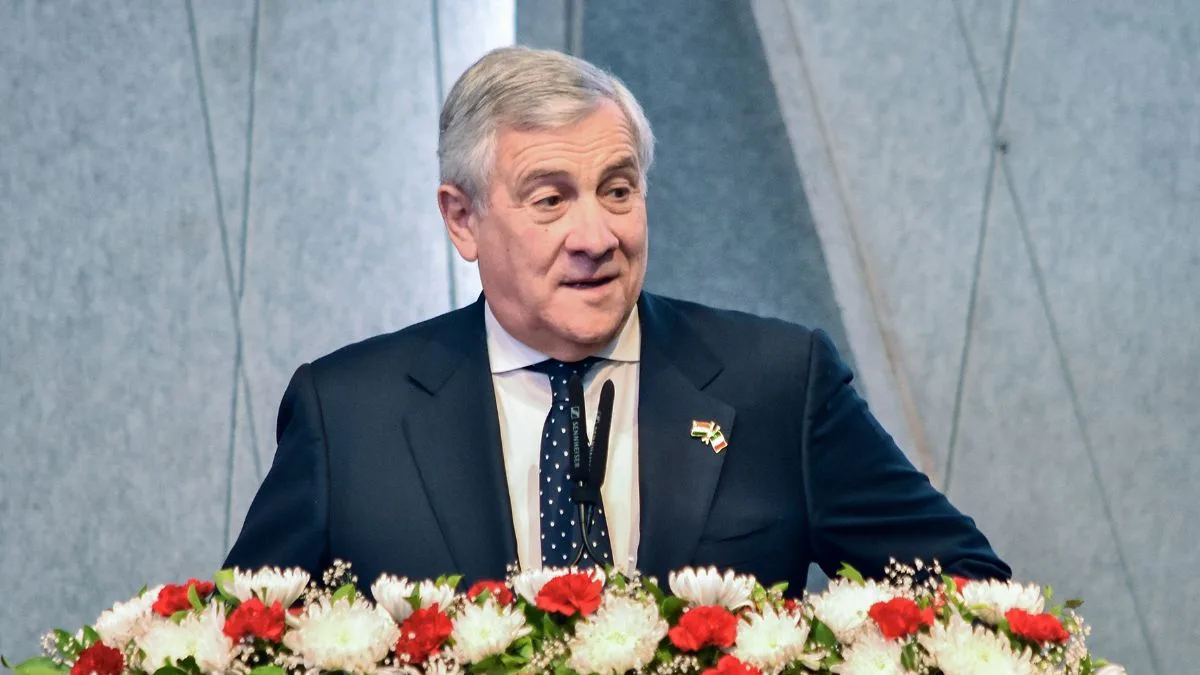
Italy has rejected allegations that it allowed its territory to be used for attacks on Iran, while urging Tehran to reopen the Strait of Hormuz to allow commercial shipping to resume. The diplomatic exchange follows remarks by NATO Secretary-General Mark Rutte that sparked political controversy.
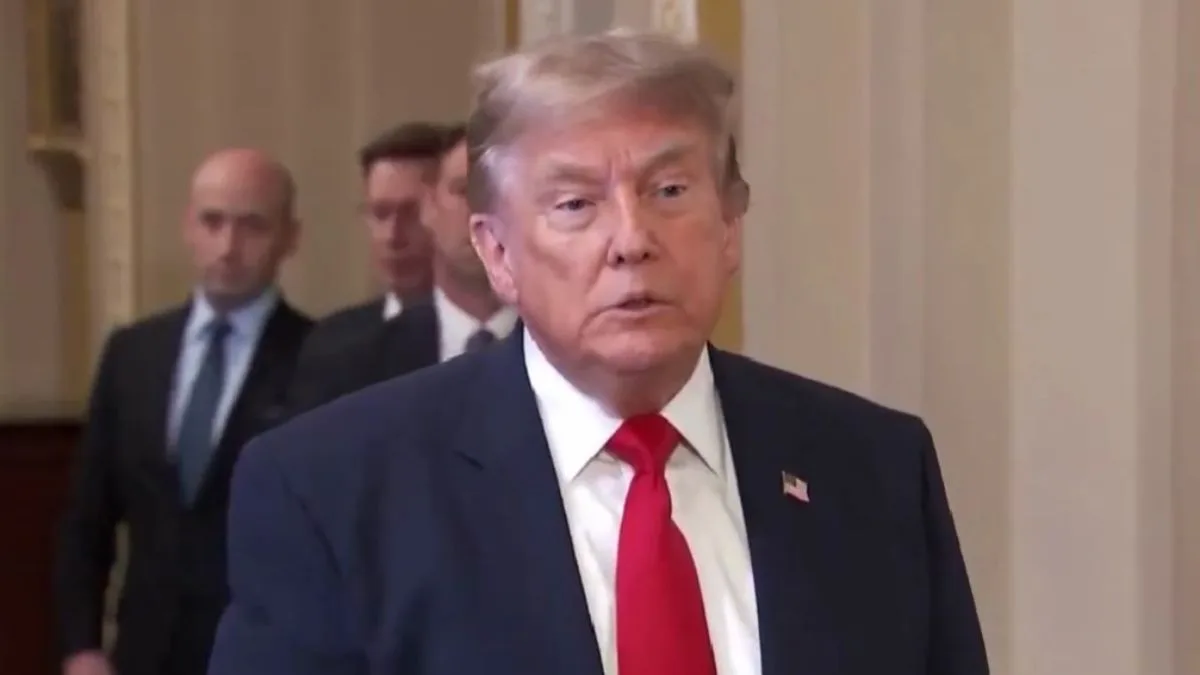
US President Donald Trump claimed Iran is agreeing to American demands in ongoing negotiations, rejected any future shipping charges in the Strait of Hormuz and reiterated that military action remains an option if diplomacy fails.
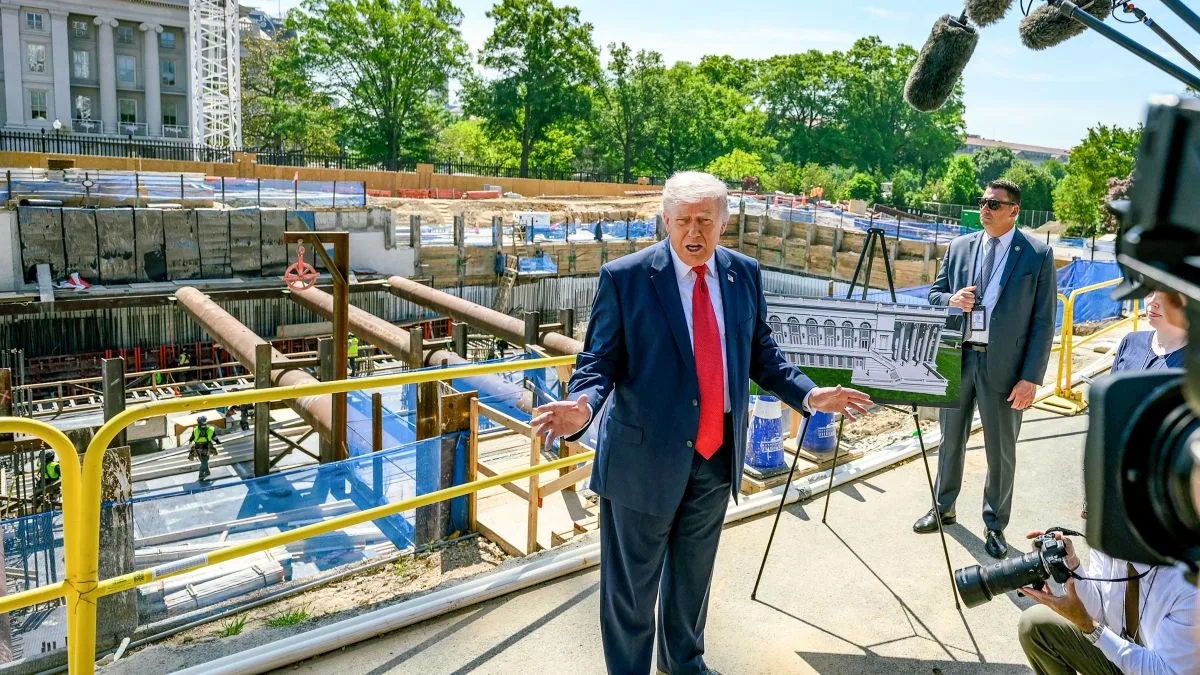
Trump announced a fresh troop deployment to Poland even as the Pentagon scales back some European military rotations, leaving NATO allies seeking clarity over US strategy.

US weighs scaling back troop presence in parts of Europe as disagreements deepen with NATO allies over Iran conflict, signalling a shift in Washington’s military and diplomatic approach.
As the Brown University’s estimates for the ‘War on Terror’ of the 21st century have made clear, if indirect impacts of war are included then mortality can be many times more than the deaths caused directly by war and conflict.
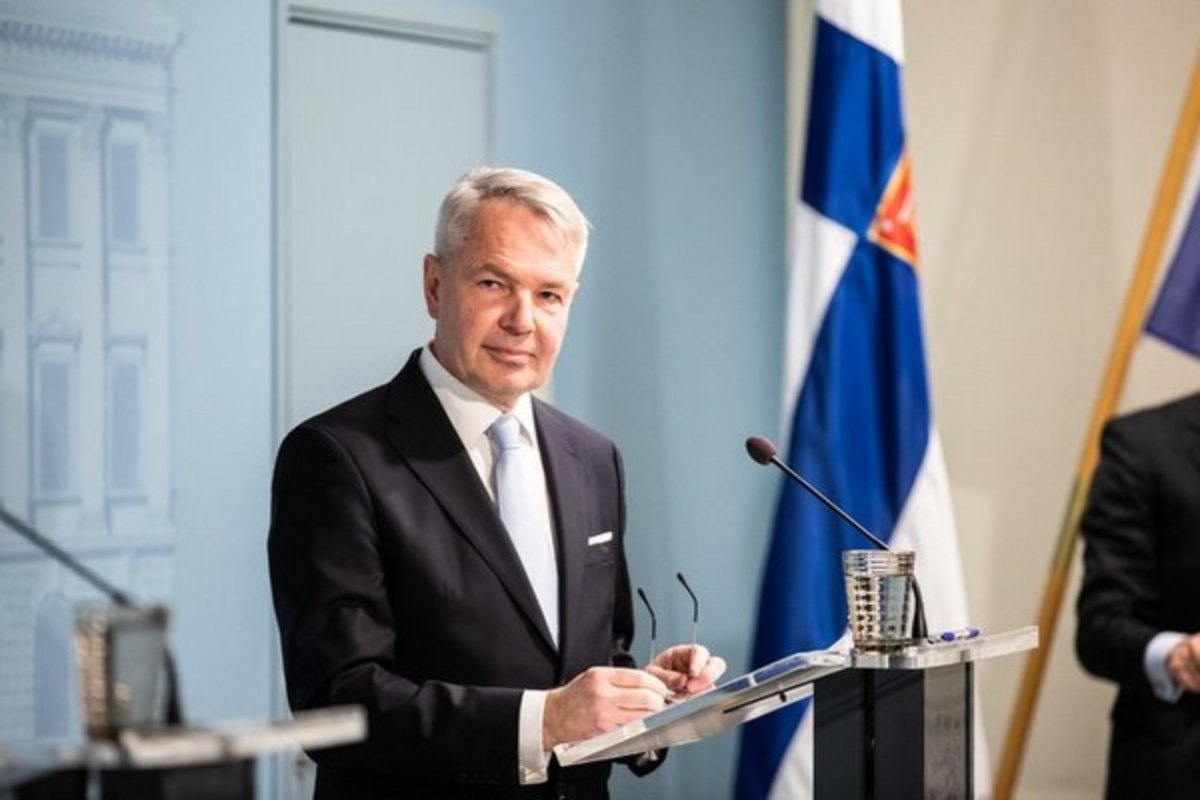
Finland, a nation that has long held a stance of non- alignment, finds itself at a pivotal juncture as it navigates a new era in its foreign and security policy.
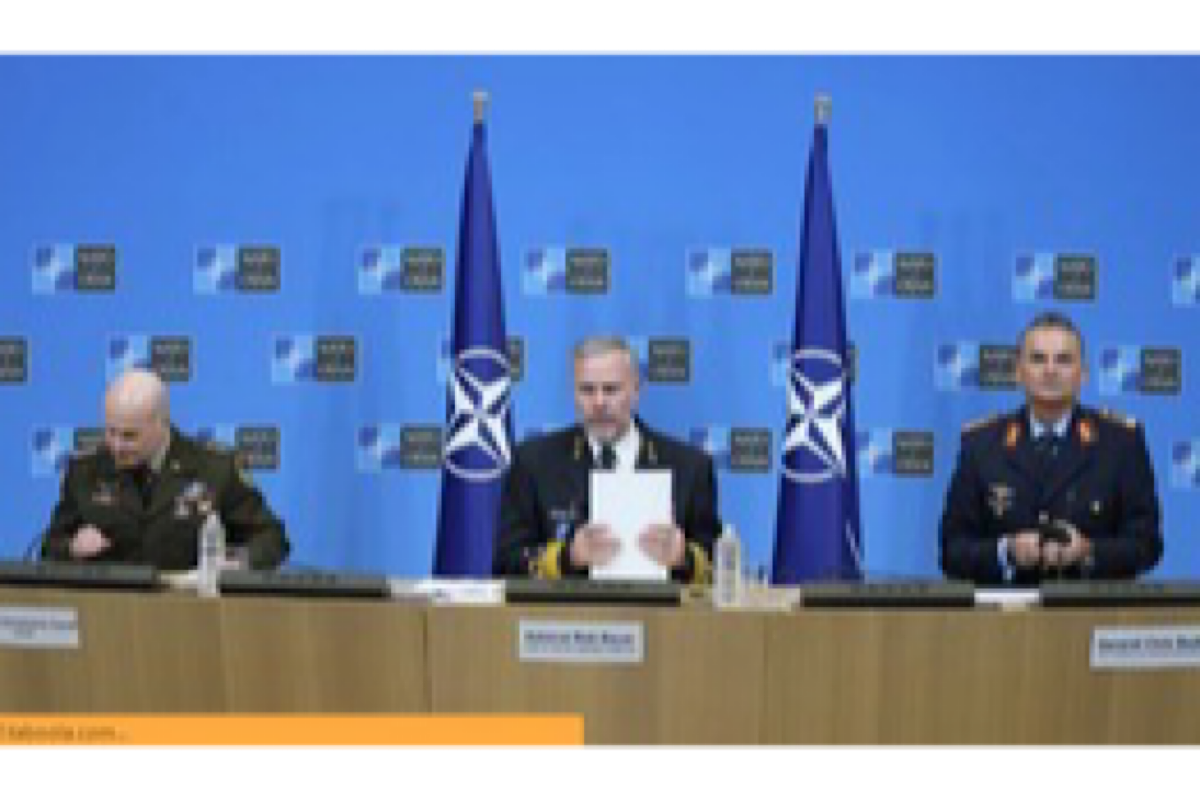
The NATO is set to hold its largest exercise in decades, with nearly 90,000 forces slated to participate, NATO's Supreme Allied Commander Europe Christopher Cavoli said.
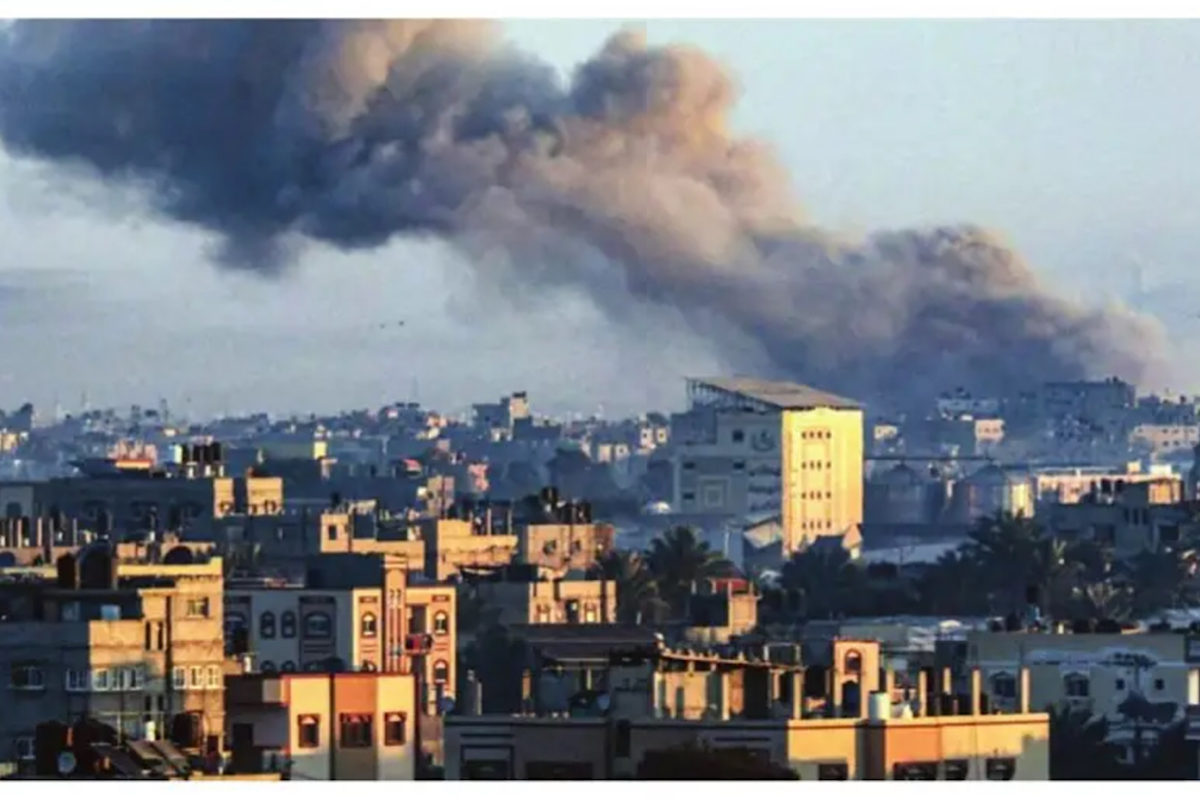
The current international order was built out of two world wars in an effort to reconstruct peace and avoid the ultimate third world war, after atomic bombs were dropped on Hiroshima and Nagasaki.
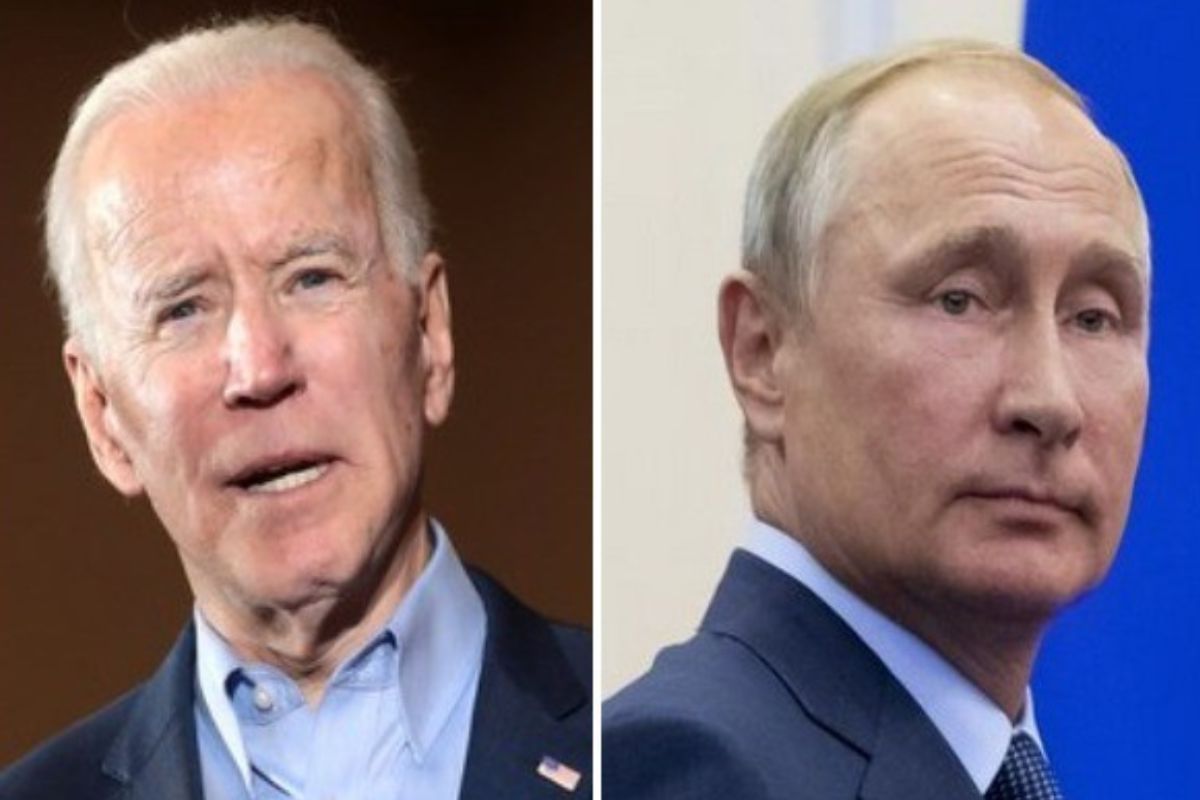
In the ever-evolving geopolitical landscape where words are often as potent as actions, Russian President Vladimir Putin’s categorical dismissal of US President Joe Biden’s claim that Russia would attack a NATO country if successful in Ukraine raises pertinent questions about the underlying dynamics at play.