From Kolkata to the Cosmos: Science City’s Immersive Voyage to Mars
The occasion marked not merely the unveiling of a film but an invitation to reflect on humanity’s timeless fascination with the cosmos and its next great frontier.

The occasion marked not merely the unveiling of a film but an invitation to reflect on humanity’s timeless fascination with the cosmos and its next great frontier.
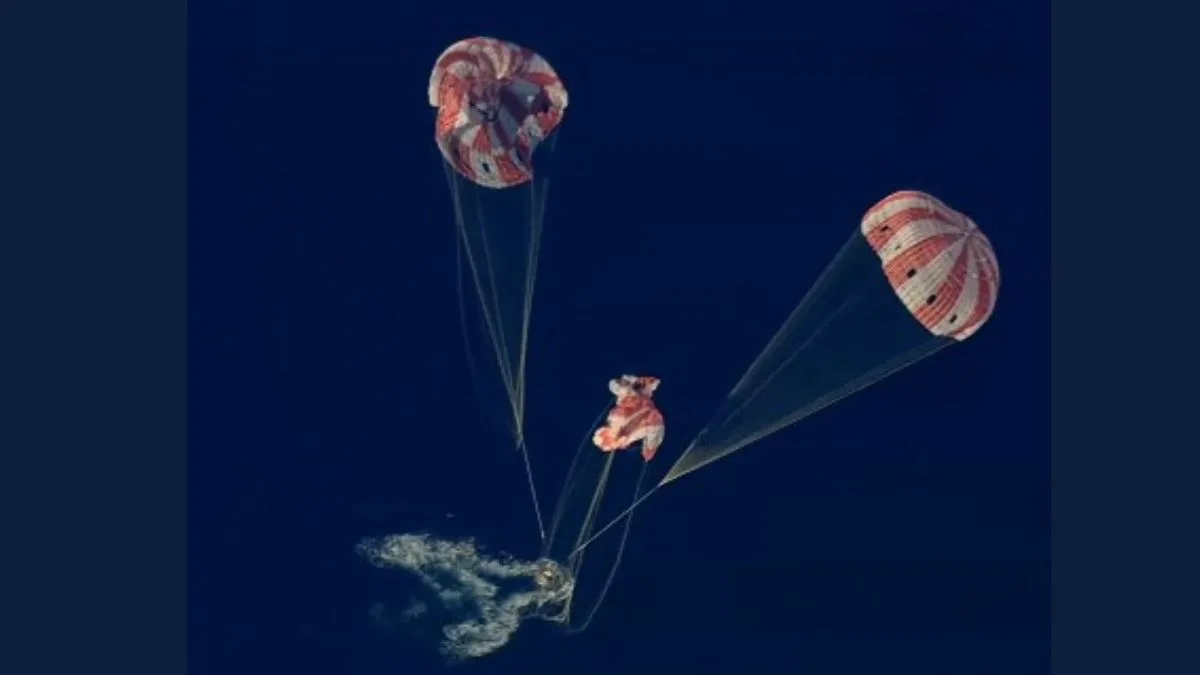
After a record-breaking journey beyond the Moon, Artemis II’s safe return strengthens NASA’s deep space roadmap and puts fresh focus on future Mars ambitions.

As NASA’s Artemis II mission prepares for its high-speed re-entry and scheduled splashdown in the Pacific off San Diego, it marks more than the end of a test flight.
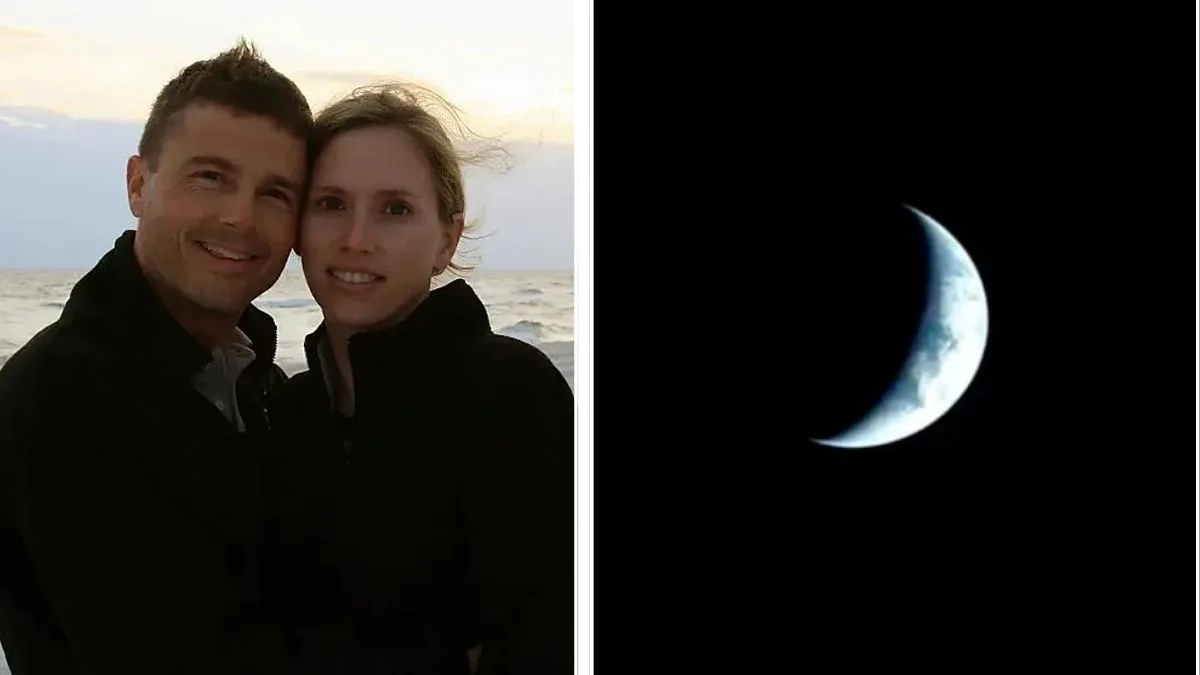
Far from Earth, nearly 250,000 miles into space, the Artemis II crew shared a deeply personal moment, proposing to name a Moon crater after Commander Reid Wiseman’s late wife.
The launch of Artemis II is being celebrated as a technological milestone, but its deeper significance lies elsewhere.

The Indian Space Research Organisation (ISRO) and NASA are set to launch their collaborative Earth observation satellite, NISAR, on Wednesday, at 5:40 p.m. IST from the Satish Dhawan Space Centre in Sriharikota.

After more than two weeks aboard the International Space Station (ISS), Indian astronaut Shubanshu Shukla is heading home, with science samples in tow and a suitcase full of memories.

President Droupadi Murmu on Wednesday extended her best wishes to the crew members of Axiom-4 mission, saying that as Group Captain Shubhanshu Shukla creates a new milestone in space for India, the whole nation is proud of his journey.

After multiple delays, the Axiom-4 mission is expected to lift off tomorrow, with SpaceX’s spanking a new Dragon spacecraft set to carry India’s Shubanshu Shukla to the International Space Station (ISS), the National Aeronautics and Space Administration (NASA) announced on Wednesday.

NASA stated that it is taking additional time to evaluate the ISS's readiness, particularly after repair work in the aft (rear) section of the Zvezda service module, which is a critical component of the Russian segment of the space station.