From Kolkata to the Cosmos: Science City’s Immersive Voyage to Mars
The occasion marked not merely the unveiling of a film but an invitation to reflect on humanity’s timeless fascination with the cosmos and its next great frontier.

The occasion marked not merely the unveiling of a film but an invitation to reflect on humanity’s timeless fascination with the cosmos and its next great frontier.
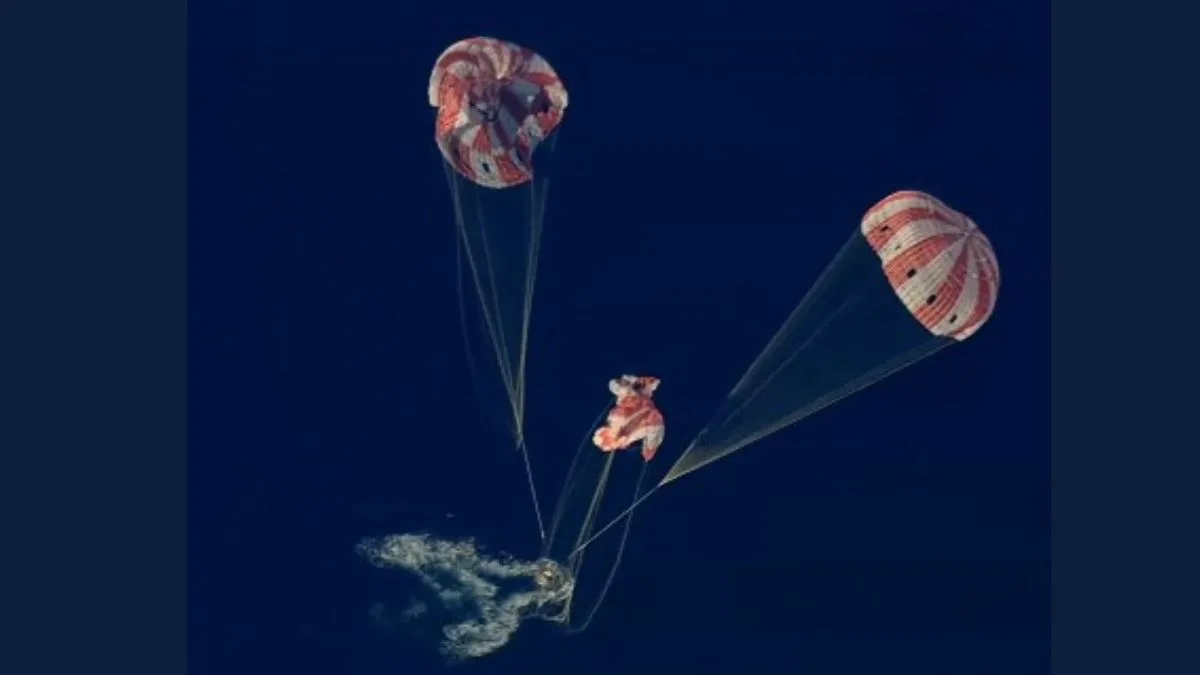
After a record-breaking journey beyond the Moon, Artemis II’s safe return strengthens NASA’s deep space roadmap and puts fresh focus on future Mars ambitions.

As NASA’s Artemis II mission prepares for its high-speed re-entry and scheduled splashdown in the Pacific off San Diego, it marks more than the end of a test flight.

Far from Earth, nearly 250,000 miles into space, the Artemis II crew shared a deeply personal moment, proposing to name a Moon crater after Commander Reid Wiseman’s late wife.
The launch of Artemis II is being celebrated as a technological milestone, but its deeper significance lies elsewhere.
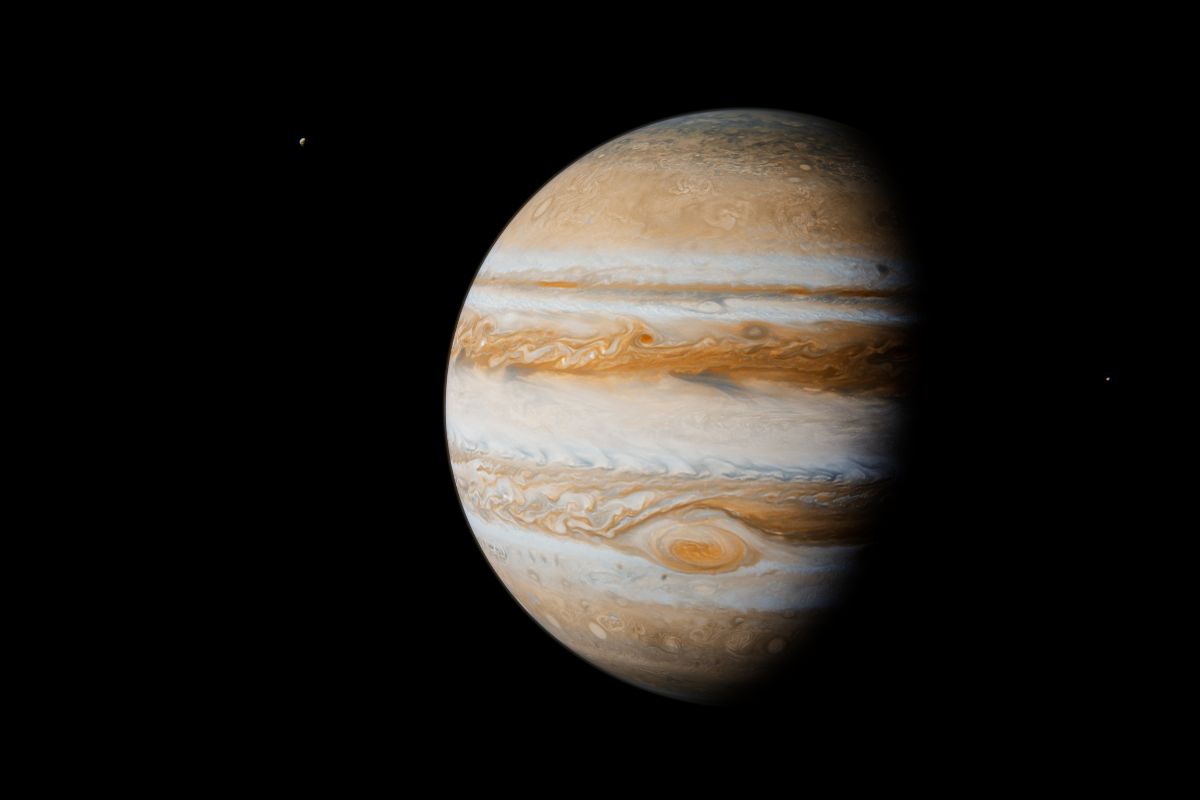
NASA's Juno spacecraft, which has been orbiting Jupiter for six years, is dedicated to exploring the planet's surface and its moons.
NASA takes the threat of orbital debris seriously as these objects can endanger spacecraft, jeopardize access to space, and impede the development of a low-Earth orbit economy, including commercial participation.
NASA has announced that it is considering two dates, September 23 or September 27, to attempt the launching of Artemis I into the space.
The countdown clock was put on hold at T-40 minutes. The hydrogen team will discuss the plans with Artemis 1 launch director.
The American space agency is targeting liftoff on August 29 between 8:33 a.m. ET and 10:33 a.m. ET. Artemis I will not carry astronauts, nor land on the moon, however, the mission is critical to demonstrating that NASA's monster rocket and deep space capsule can deliver on their promised abilities.