Everest’s Limits
The survival of Dawa Sherpa on Mount Everest last week will inevitably be celebrated as a miracle.
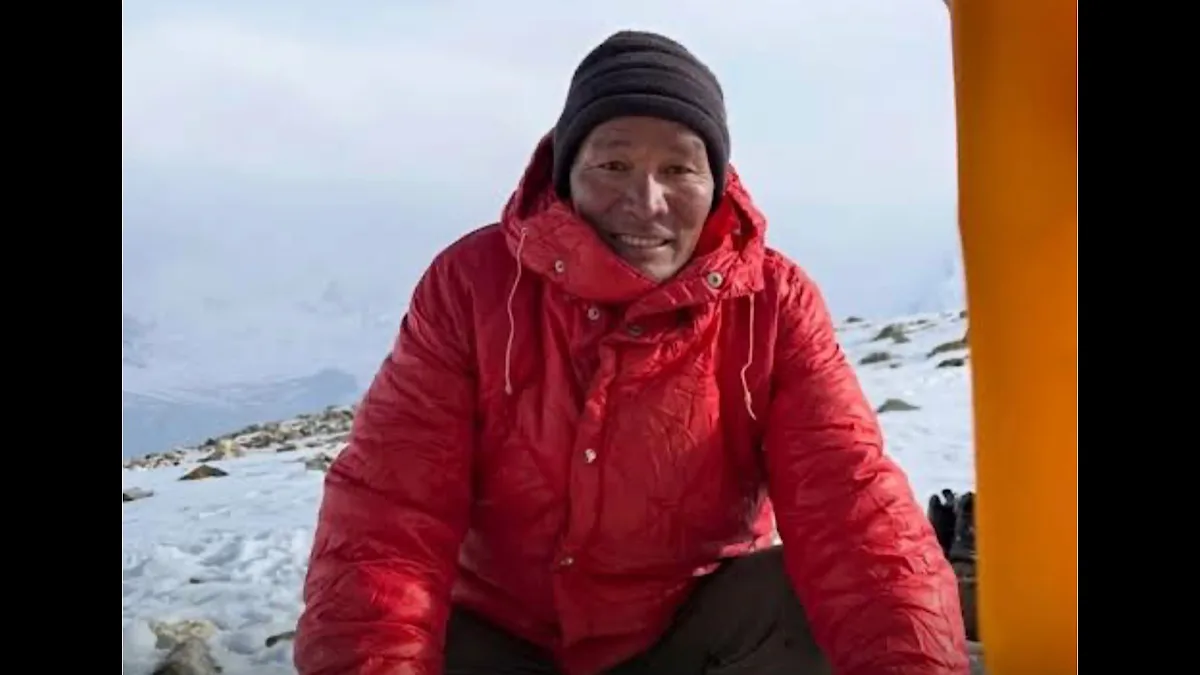
The survival of Dawa Sherpa on Mount Everest last week will inevitably be celebrated as a miracle.

Deputy Commissioner Faridkot Rahul Chaba felicitated Dhaliwal during a special ceremony and congratulated him on conquering the world’s highest peak.

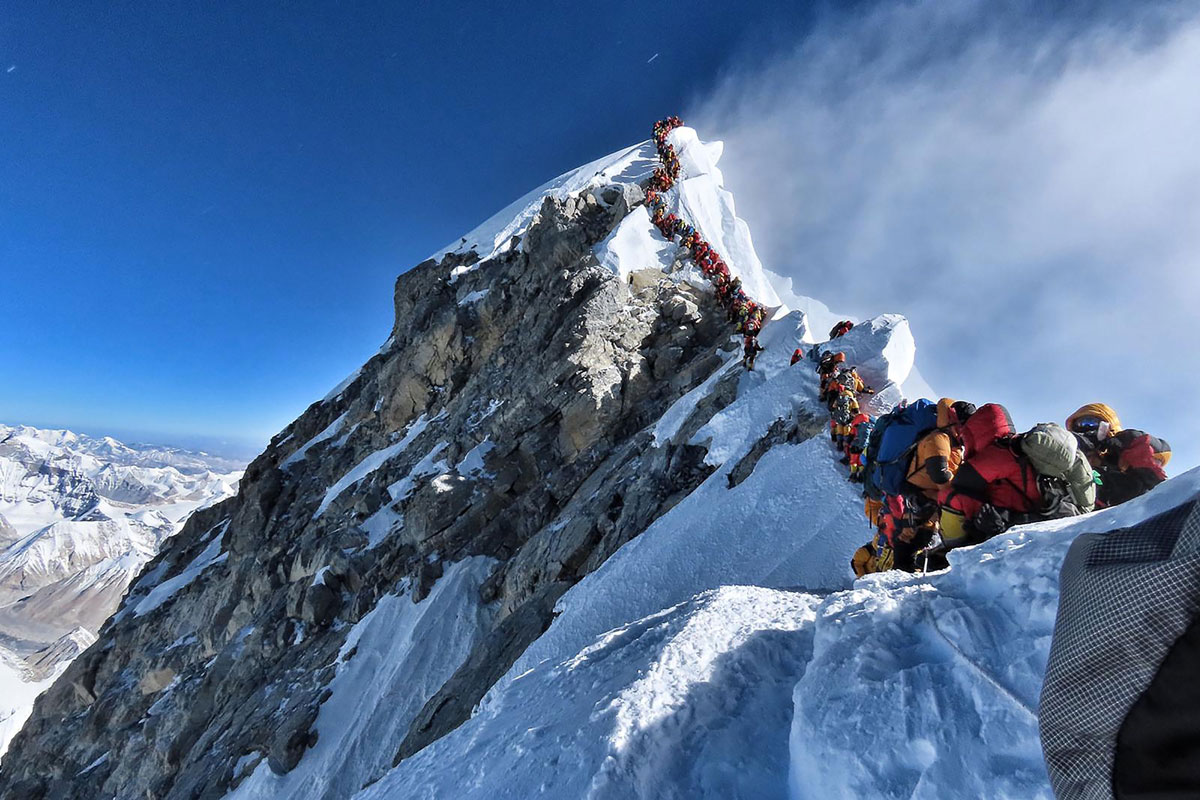
The Himalayas, long revered for their sublime beauty and spiritual significance, are under siege ~ not by avalanches or blizzards, but by human neglect. Mount Everest, the crown jewel of the range, tells a stark story: discarded tents, oxygen cylinders, plastic bottles, and even human remains lie scattered across its slopes.

Kanchha Sherpa, the last surviving member of the first successful summit of Mount Everest in 1953, passed away at the age of 89.
The Himalayas have always symbolised human endurance and the allure of the extreme. Yet, the recent blizzard that trapped hundreds of hikers on Mount Everest’s Tibetan slopes offers a stark reminder that nature’s majesty is inseparable from its unpredictability.
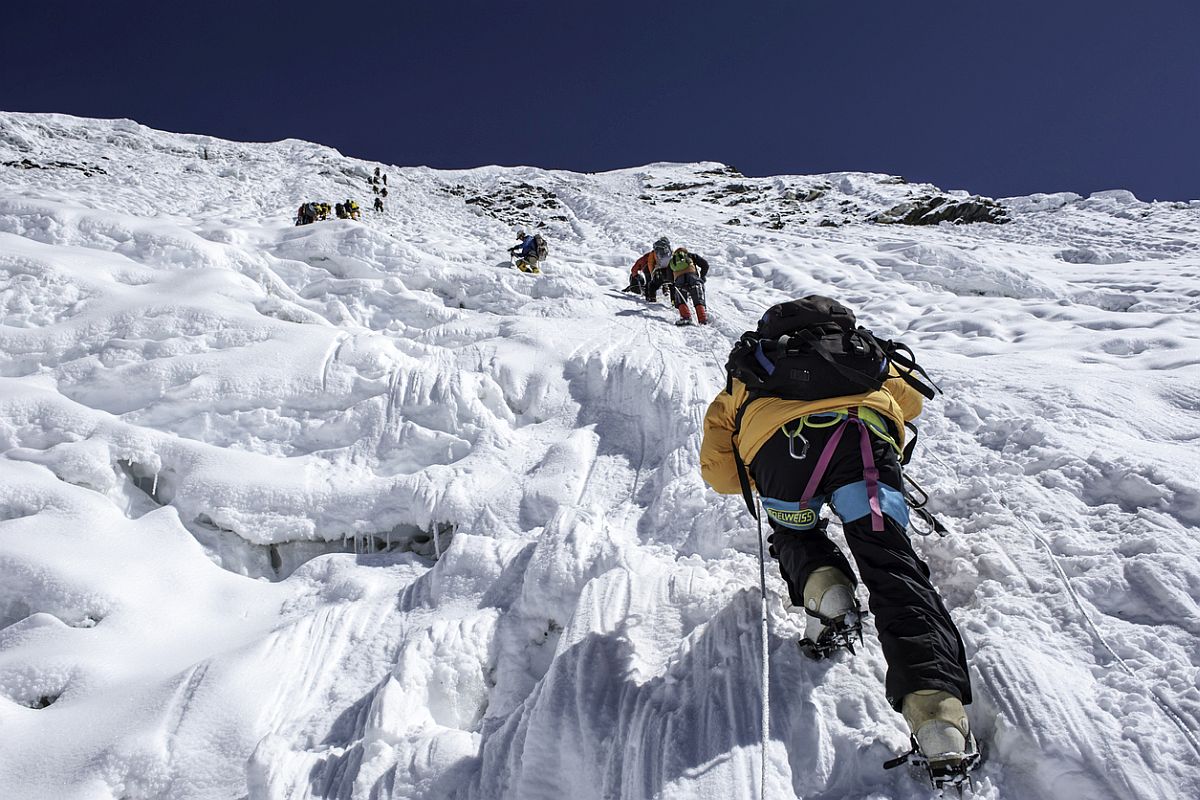
The slopes are said to be littered with empty oxygen cylinders, discarded tents, food cans and, of course, human waste. And as glaciers melt with global warming, they are revealing the debris of the years gone by.
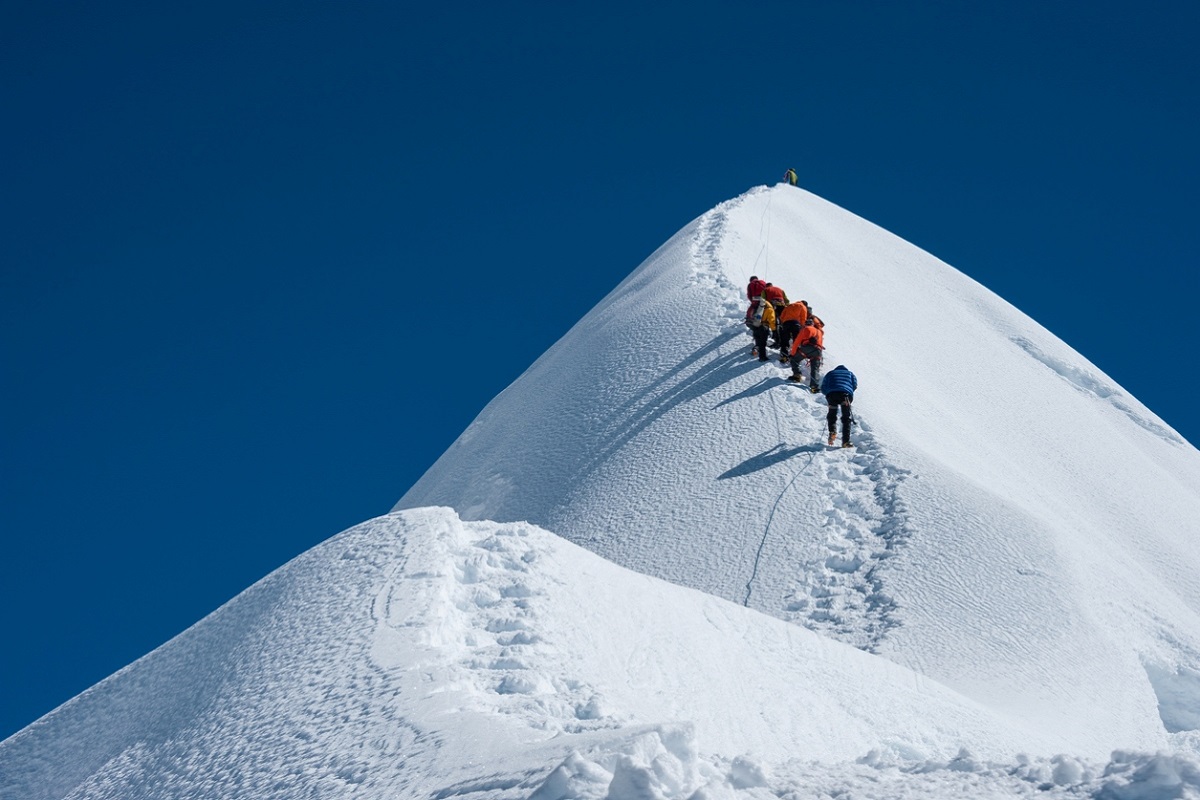
The Swiss climber had successfully reached the summit but began experiencing issues during his descent, while the American died due to snow blindness and exhaustion at Camp IV before reaching the summit, the agency wrote in its Facebook page.
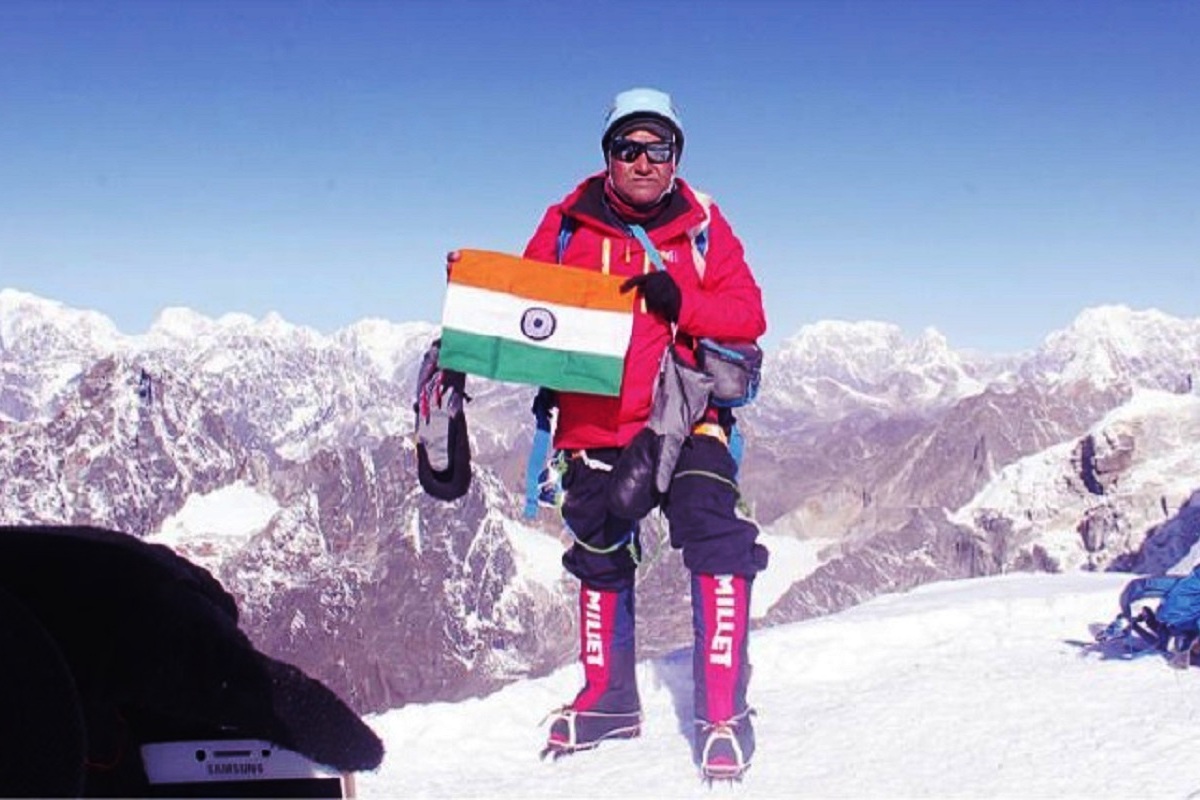
He climbed Mount Everest for the first time in 1998, and went on to do it again in 2006, 2009, 2012, 2013, 2017 and 2018.
The Nepal government decided to measure the exact height of the mountain amid debates that there might have been a change in it due to various reasons, including the devastating earthquake of 2015.
Chinese tech firm Huawei is working with China Mobile to build two 5G stations on Mount Everest. The stations are expected to cover the summit of the mountain.