WHO says mpox no longer a global public health emergency
The World Health Organisation (WHO) has said that the spread of mpox (monkeypox) in Africa no longer represents a Public Health Emergency of International Concern (PHEIC).

The World Health Organisation (WHO) has said that the spread of mpox (monkeypox) in Africa no longer represents a Public Health Emergency of International Concern (PHEIC).

The death toll from the ongoing monkeypox outbreak in Africa has reached 1,200, with the number of cases reported so far this year surpassing 62,000, according to the Africa Centers for Disease Control and Prevention (Africa CDC).
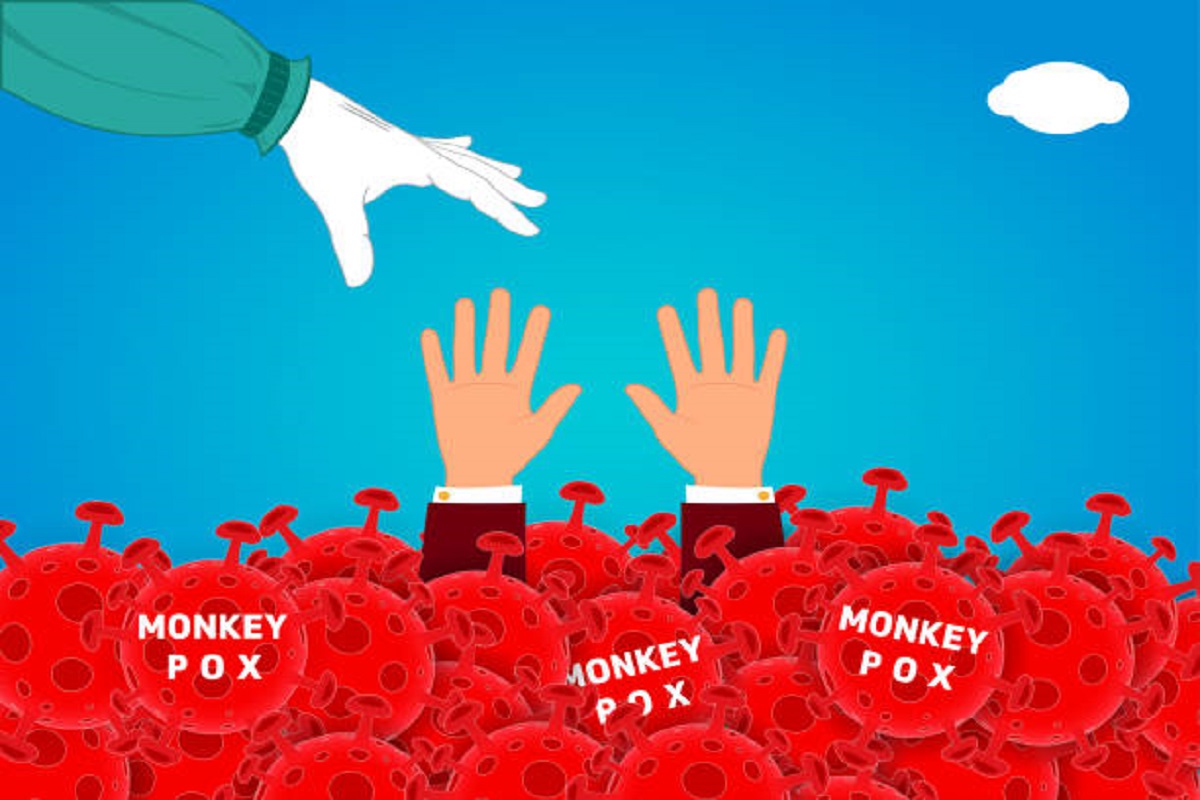
The number of monkeypox cases reported so far this year in Africa has surpassed 59,200 as the number of affected countries reached 20, the Africa Centers for Disease Control and Prevention (Africa CDC) has disclosed.
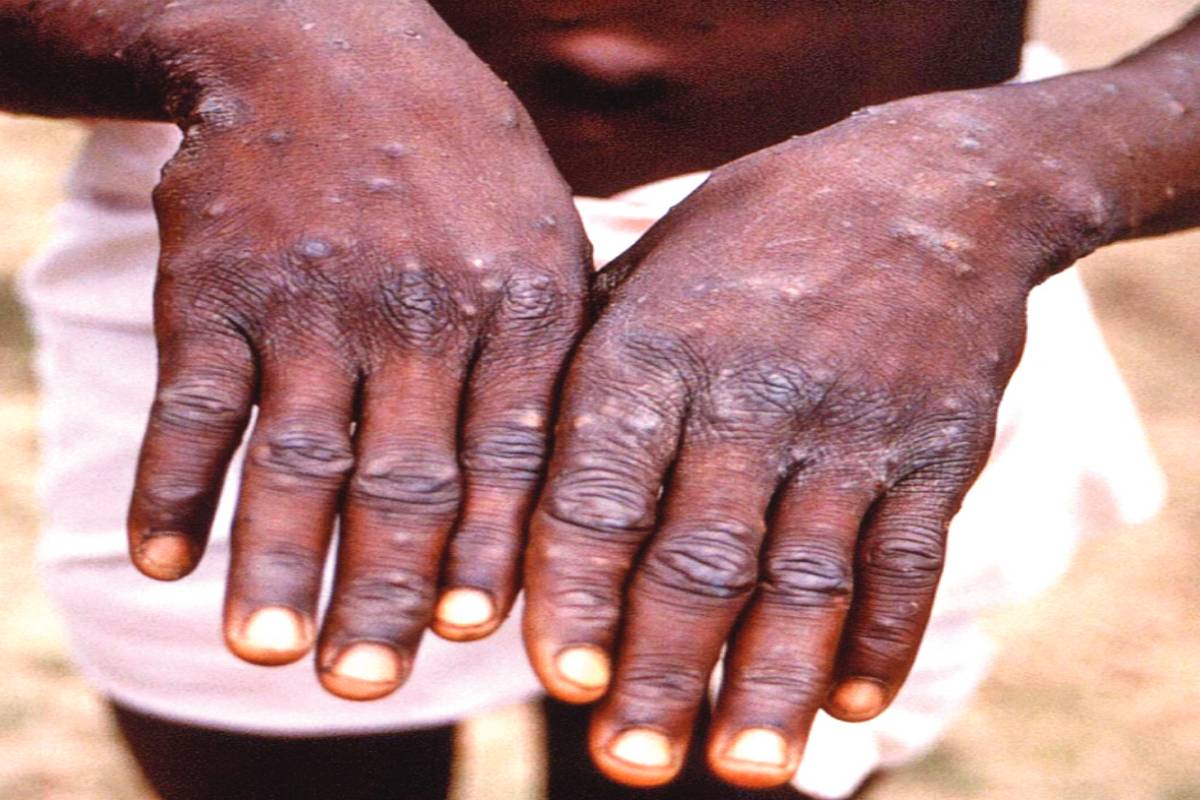
A total of 32,407 cases of monkeypox, including 6,441 confirmed cases and 840 deaths, have been reported across the African continent since the start of this year, according to the Africa Centers for Disease Control and Prevention (Africa CDC).
M pox is a viral disease primarily found in monkeys and other wild animals, though it can occasionally spread to humans. Human transmission typically occurs accidentally, usually through direct contact with an infected animal. The disease is caused by the monkeypox virus, which is part of the same family of viruses as smallpox, but generally results in a milder infection.
The Israeli Health Ministry has reported the detection of new cases of monkeypox and measles in the country.
Cases of monkeypox in Indonesia have spread to five provinces, the Health Ministry said.
The ongoing monkeypox situation in the DRC remains a significant public health concern that necessitates continual monitoring and response, said the report.
The WHO Regional Office for Europe has launched a new campaign called "Eliminating mpox: Placing affected populations at the heart of our response" to highlight the potential risk of a significant monkeypox (mpox) outbreak.
Delhi confirmed its first case of monkeypox on July 24 this year, a day after it was declared a Public Health Emergency of International Concern by the World Health Organisation.