Hijab row: St. Rita’s Public School resumes functioning, management rejects minister’s claims
Sr. Heleena Alby, principal of the school, told media persons on Wednesday that the minister had made the statement “without verifying the facts”.
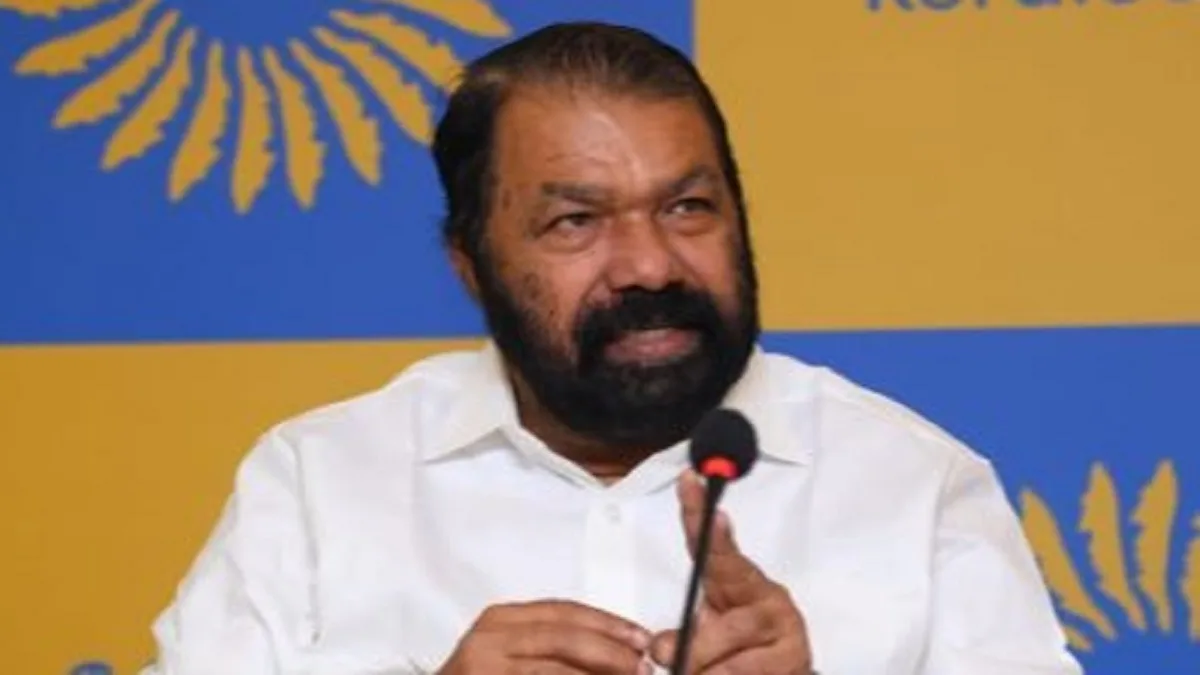
Sr. Heleena Alby, principal of the school, told media persons on Wednesday that the minister had made the statement “without verifying the facts”.

The BJP government in Madhya Pradesh has granted in-principle approval to a plan worth Rs 47.11 crore to improve the management of wild elephants and reduce human-elephant conflict in the state.

Food delivery and quick commerce player Swiggy is setting up a subsidiary to foray into the growing demand for recreational activities.

Lisa took to her Instagram to announce the news about her new label 'LLOUD' along with a new profile photo.

This two-week on-campus summer program is the first ever offered by any IIM. The program will be held at IIM Udaipur campus from June 01, 2024, to June 14, 2024.

The busy elections season in the next six months is leading to a moderation in new capex activity, as per new projects data, and it is slowing order inflow momentum for large projects especially in capital goods, railways as well as the roads sectors

Under the direction of mentors, the school delegates worked on the subject and brainstormed together to identify the best methods and ideas to address climate change.
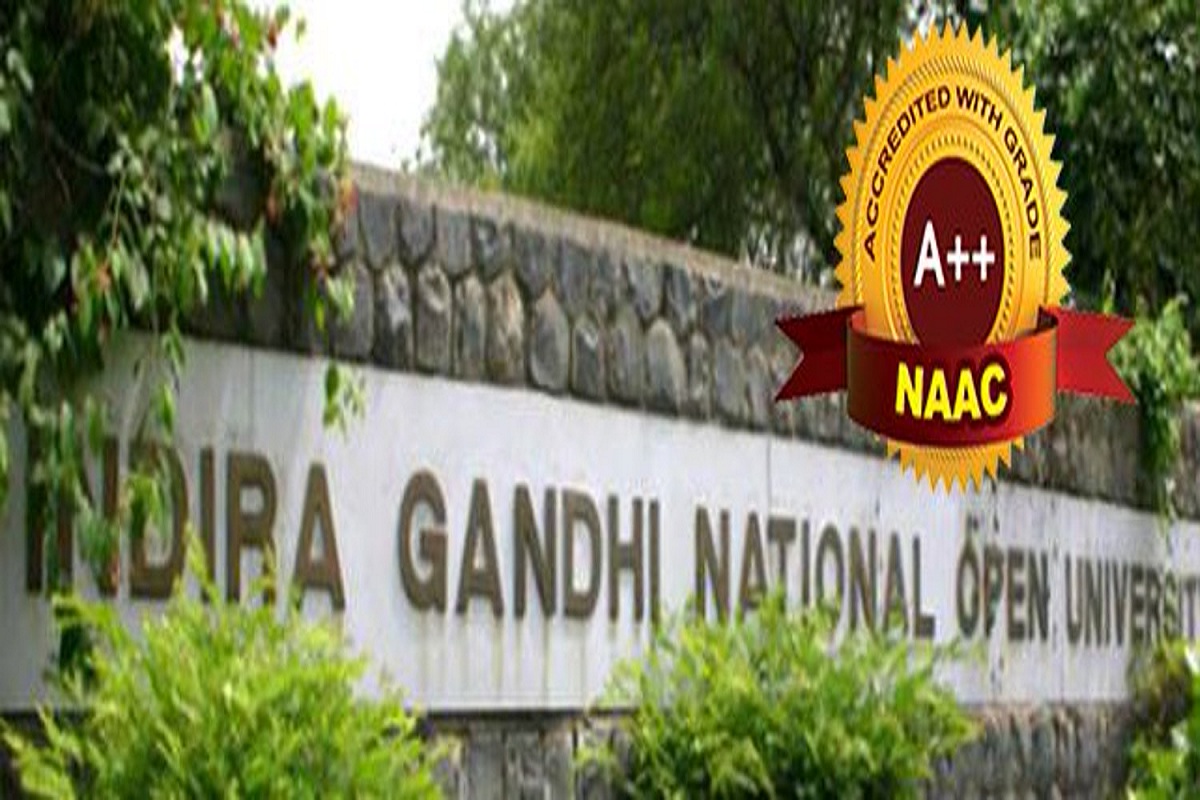
These diploma courses will be of a duration of one year. Any graduate with 50 per cent marks for the general category and 45 per cent for the reserved category can enroll in any of these MBA programmes without appearing for any entrance test.
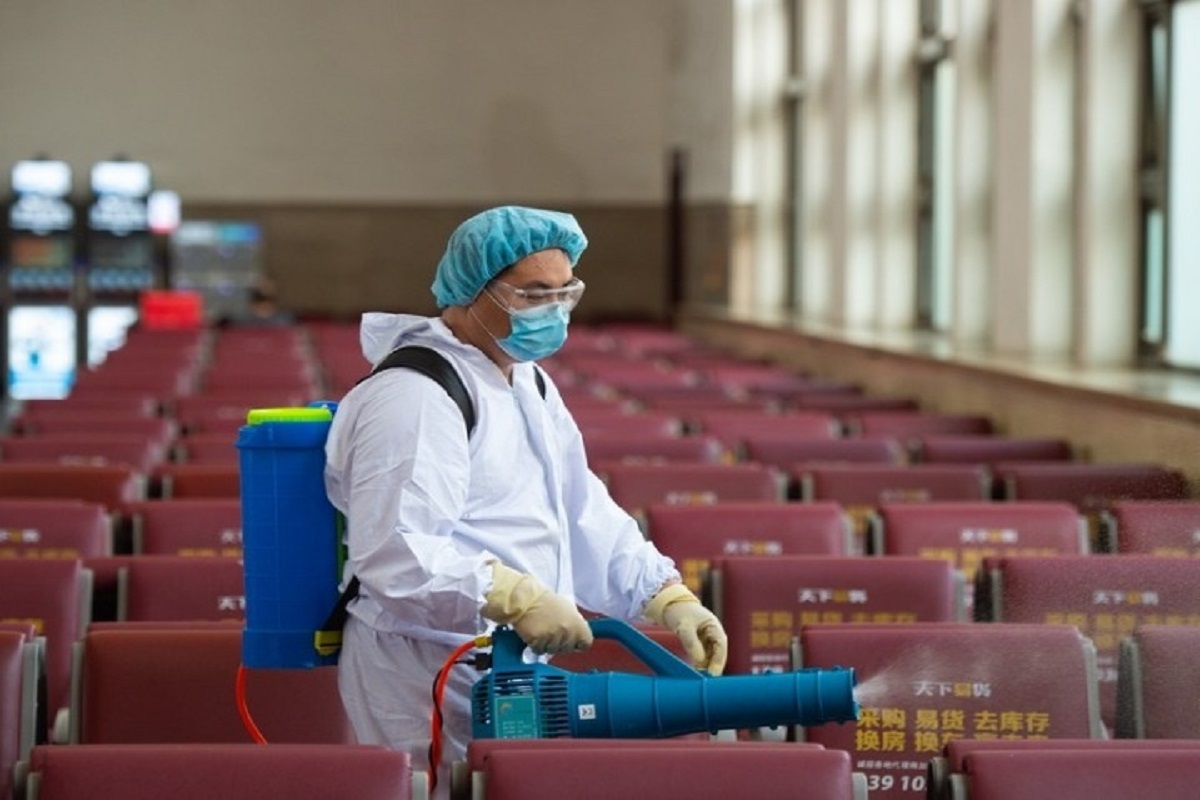
China's healthcare system is facing several hardships and at the verge of collapse as the faulty Covid policies of the Xi Jinping-led Chinese Communist Party (CCP) in the form of draconian zero-Covid policy which not only harmed the economy but also terribly failed to control the virus, Inside Over reported.
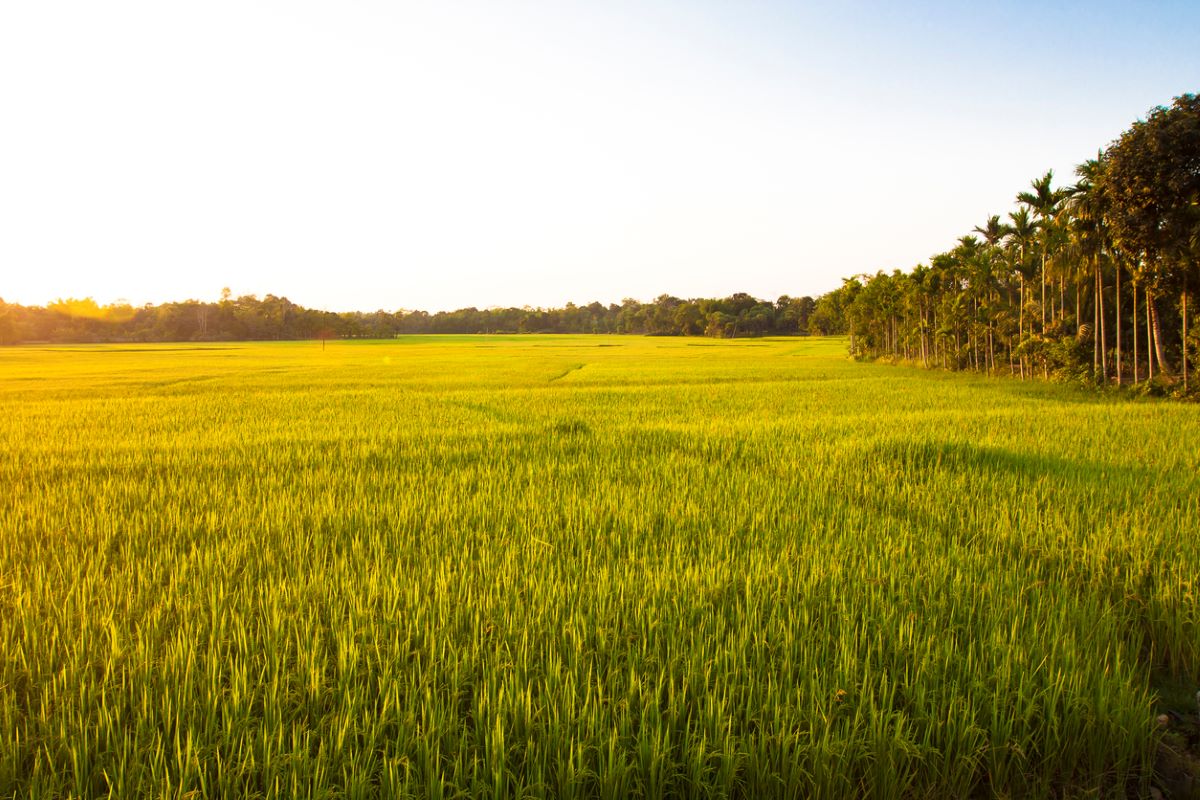
As per agriculture census 2014, about 86 per cent of Indian farmers own less than two hectares of land. Hence, most Indian farmers are ‘economically marginalized’ and they are unable to earn enough to run their families. This dearth of liquid cash forces them to seek refuge in rapidly industrialising urban centres across the nation.