Logo

Mahatma Gandhi

Chambal issues one more call for peace

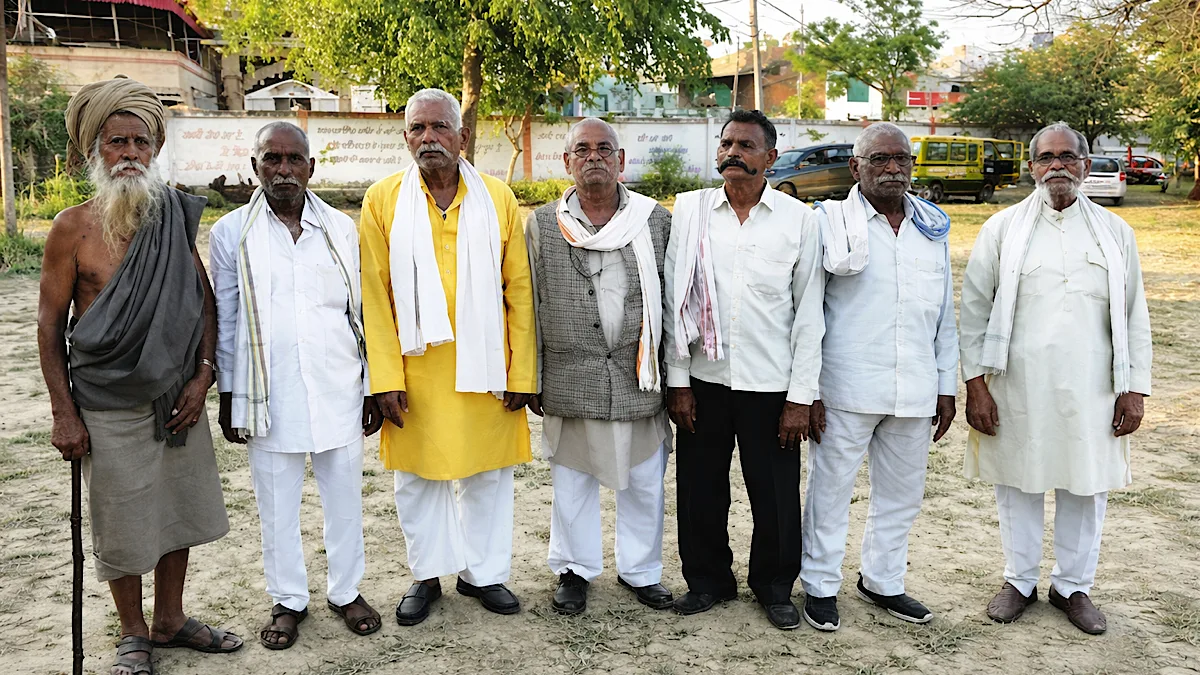
It was over five decades back in 1972 that hundreds of dacoits, or baagis as they are called locally, voluntarily surrendered in Chambal valley of central India as part of a wider and inspirational social initiative for significant, beneficial, and durable social change achieved by non-violence.


Salt March and the birth of mass disobedience

In the early morning of 6 April 1930, on the quiet shores of the Arabian Sea at Dandi in Gujarat, Mahatma Gandhi bent down, picked up a handful of salt, and quietly defied the law of the British Empire.

A life in pursuit of human dignity

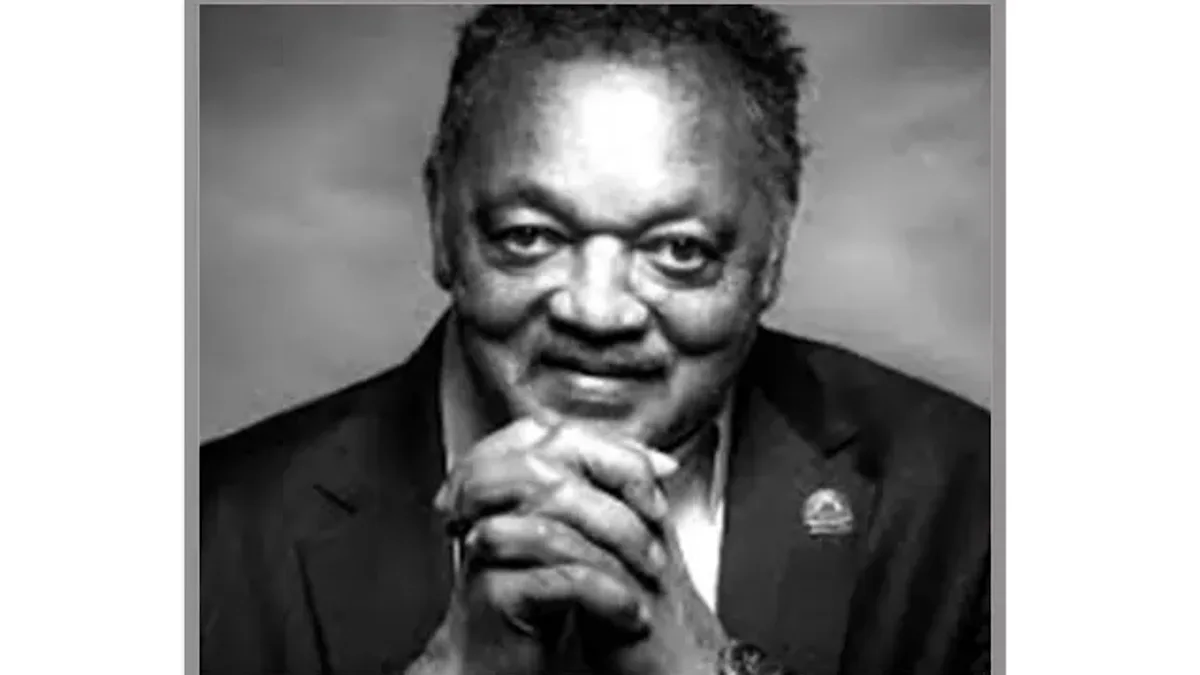
On 17 February, the world lost one of its most resonant voices for equality - Reverend Je sse L . Jackson, Sr., who passed away at the age of 84.

When Gandhiji spoke to us

In his autobiography, Gandhiji talked of his visit to Calcutta as it then was in 1896, and the contrasting receptions he got from editors of the different newspapers he met to talk about his work in South Africa. One editor thought he was a wandering Jew while another after keeping him waiting for an hour told him, “You had better go. I am not disposed to listen to you.” Gandhiji writes: “…I met the Anglo-Indian editors also. The Statesman and The Englishman realised the importance of the (South African) question. I gave them long interviews and they published them in full.” We publish these interviews here, among the first of Gandhiji published in India.

Gandhi’s teachings~I

Surprisingly, it is easy to believe in the miracles of sainthood, but very hard to believe in those of flesh and blood; the prodigies of leadership who transform the world and the way we see and move and act in the world. Yet, as Gandhi himself taught, these are not miracles at all. He summed up the philosophy of his own epic life in five words: ‘My life is my message‘