Strategic Distance
The renewed war between the United States and Iran has again placed American and Israeli military interests on apparently common ground.
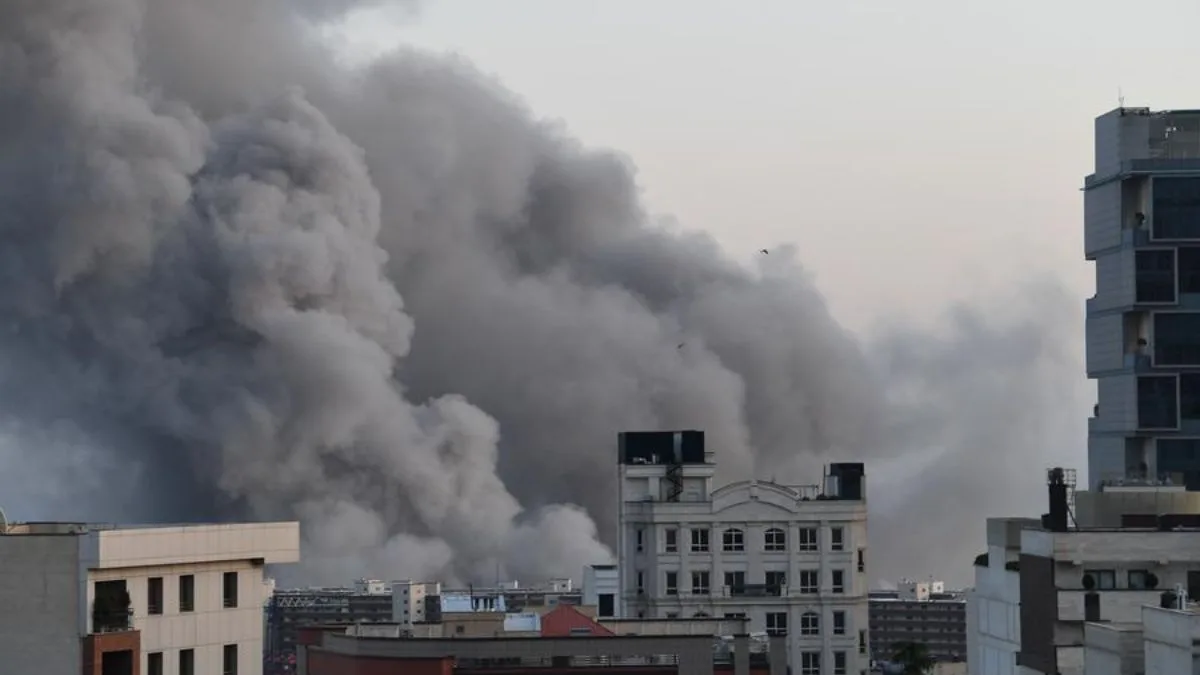
The renewed war between the United States and Iran has again placed American and Israeli military interests on apparently common ground.
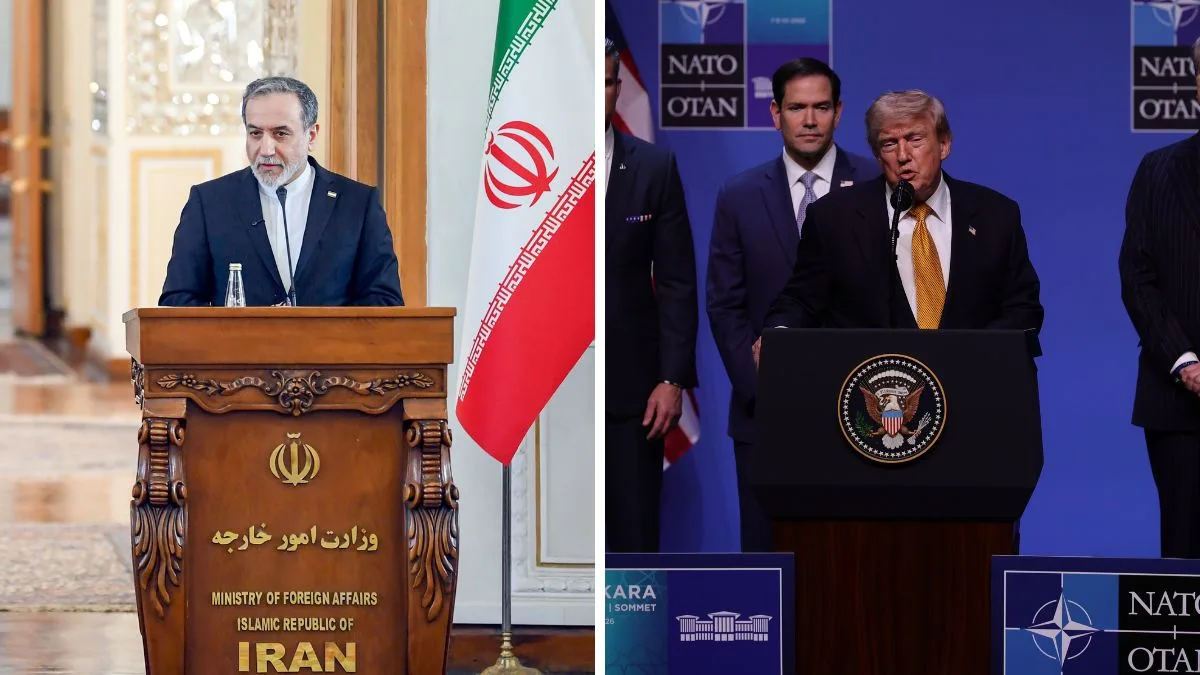
Fresh statements from Tehran and Washington point to deepening confrontation, with both sides hardening their public positions even as the US says it remains open to diplomacy.
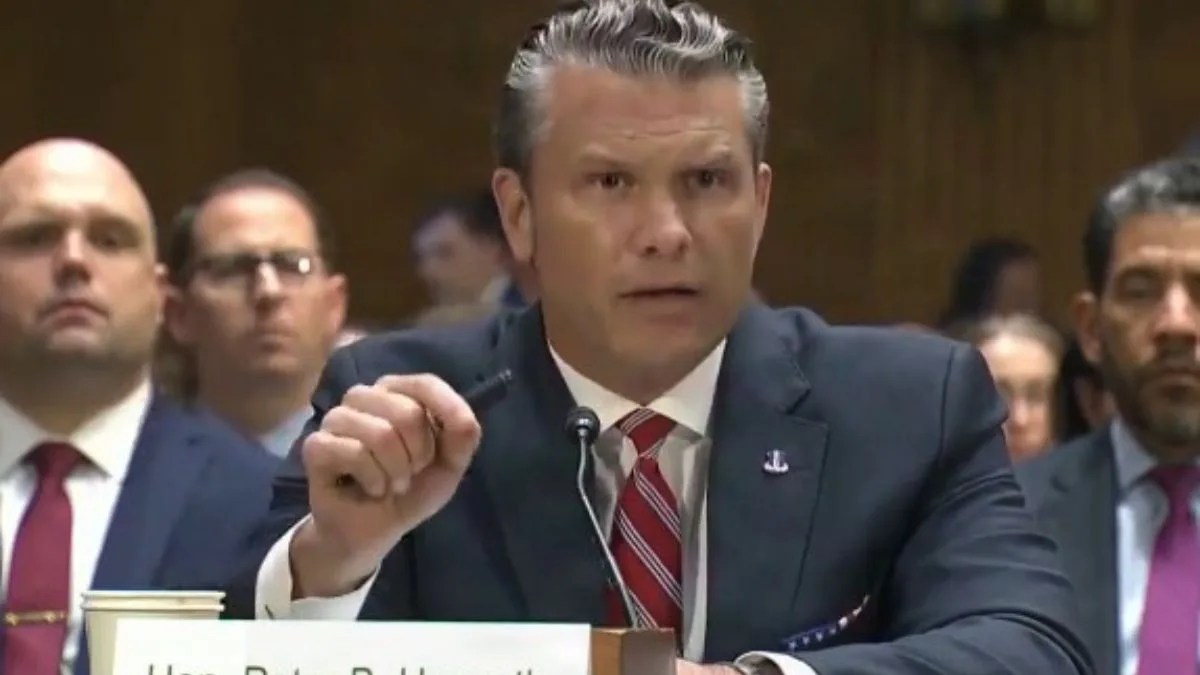
The Pentagon told lawmakers the conflict has already cost $37.5 billion and warned of readiness shortfalls without additional funding, while also alleging Russia and China are enabling Iran's military operations.
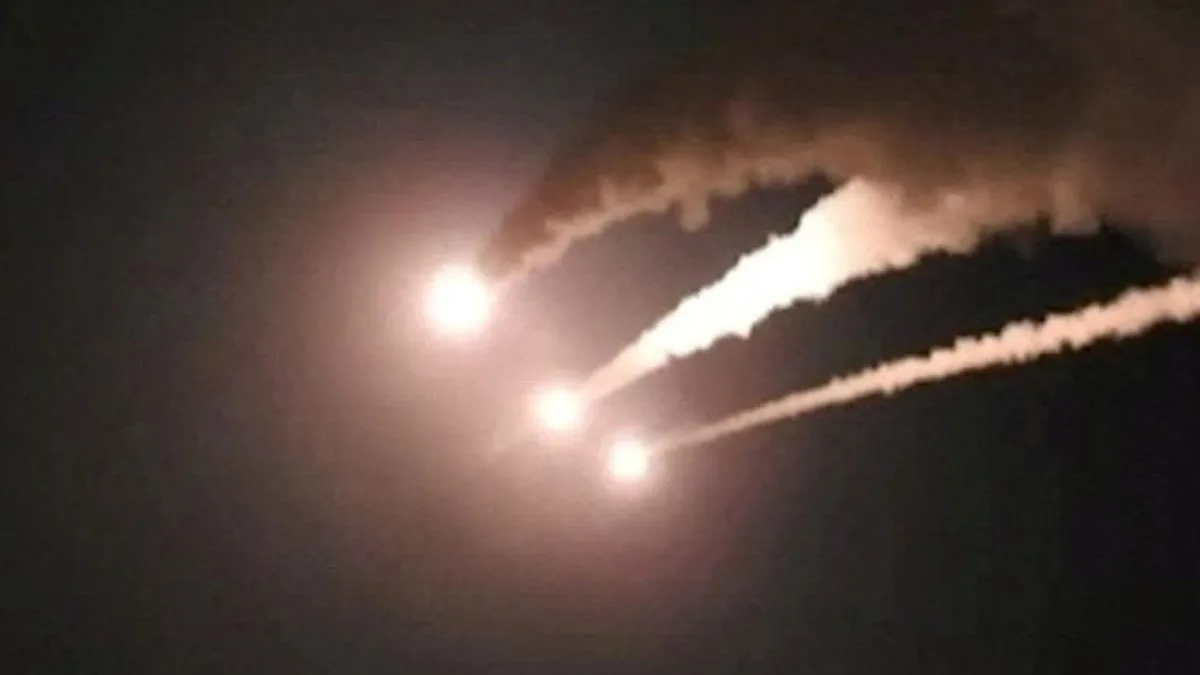
Explosions were reported across southern and central Iran after the US announced a new military offensive, while Kuwait activated air defences and regional tensions continued to spread.

Iran's Revolutionary Guard claimed it received intelligence from individuals in Jordan to strike US military targets, as Washington continued air strikes and regional tensions spread across the Gulf.
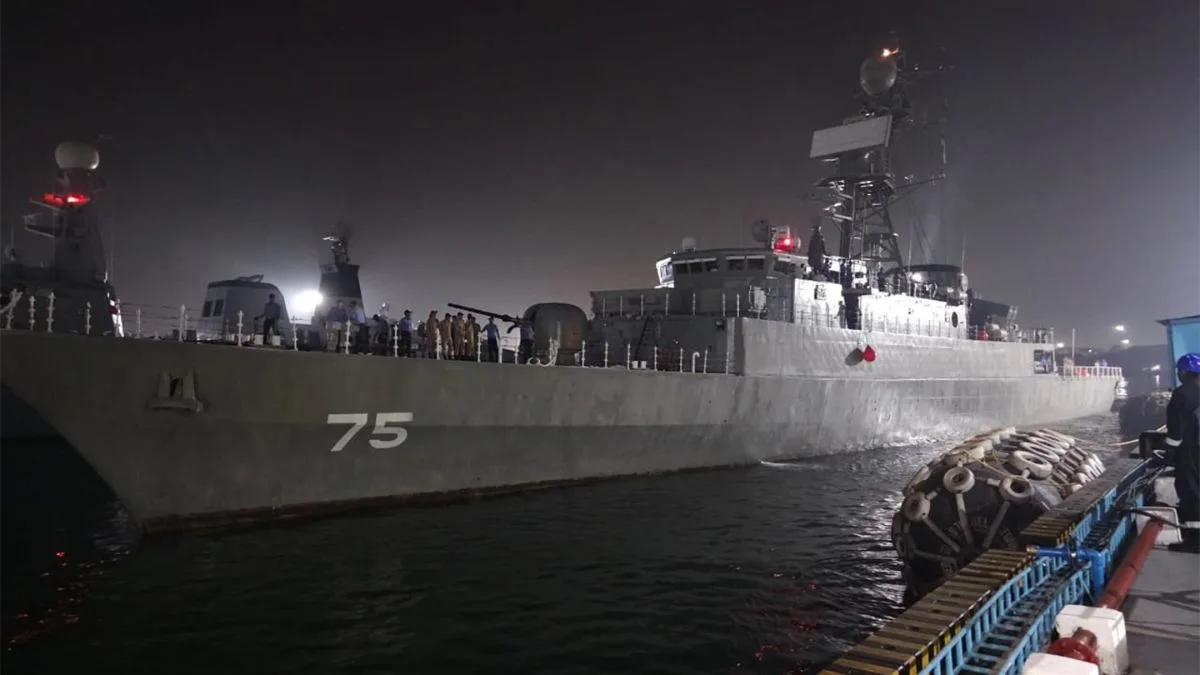
The torpedoing of the Iranian frigate IRIS Dena in the Indian Ocean is a stark reminder that distant wars rarely remain distant for India.
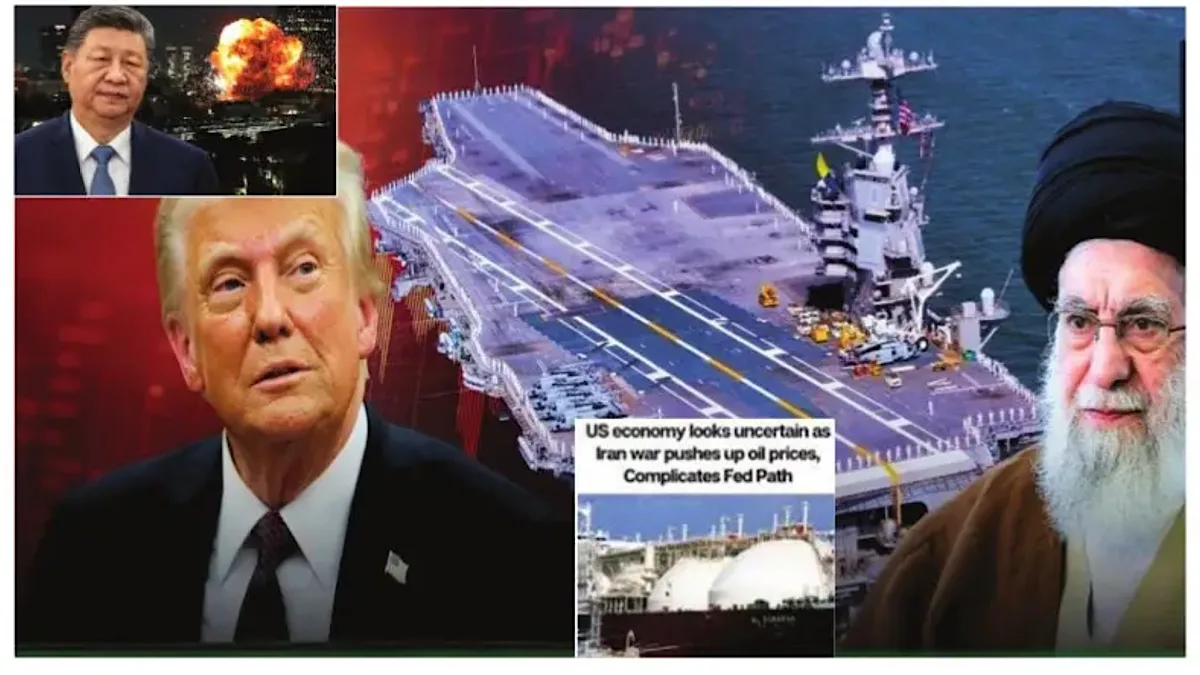
The Chinese famously play the long game. The high priest of realpolitik, Henry Kissinger, coldly noted, “China’s leaders avoid direct confrontation and prefer to achieve their objectives indirectly.”

Tehseen Poonawalla warned that India could face an LPG shortage because most supplies pass through the Strait of Hormuz and criticised the Centre’s handling of the emerging energy crisis.

The government has also asked gas producers, importers and marketers to submit detailed data on production, imports, stocks, and supply as it closely monitors the energy situation.
The latest messaging from AQIS highlights how extremist groups often attempt to capitalise on global conflicts to push their agendas locally.