Inflation Warning
A sharp rise in wholesale inflation ~ to 9.68 per cent in May ~ is more than a statistical development; it is an early warning of stress building beneath the surface of the economy.

A sharp rise in wholesale inflation ~ to 9.68 per cent in May ~ is more than a statistical development; it is an early warning of stress building beneath the surface of the economy.

The wholesale food inflation was at of 4.49 per cent in May compared to 3.11 per cent in April.
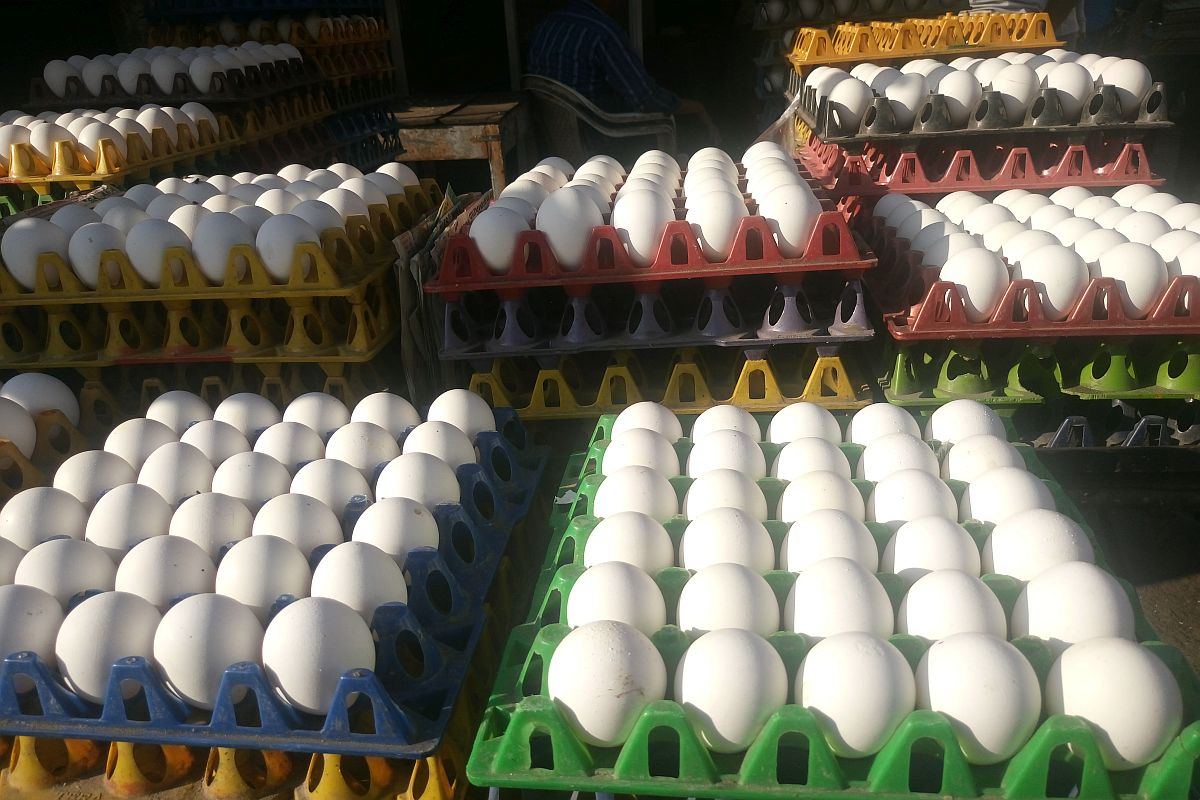
At the rate that eggs are being chucked around these days, “deem” or “anda” sellers are not complaining.
Economists and market participants are closely tracking RBI's latest projections on inflation, growth and crude oil prices as the central bank unveils its policy verdict.

Repeated hikes in CNG, petrol and diesel prices across metro cities are expected to increase commuting and logistics costs, adding fresh pressure on consumers and transport operators.
Inflation in July dropped to the lowest point in the last three years in the US, according to data released on Wednesday, setting up a likely rate cut by the Federal Reserve next month.
India's July retail inflation rate of 3.54 per cent has reached a five-year low, signalling a positive shift for the economy. This decline, largely due to a decrease in food inflation and a favourable base effect, has exceeded expectations and brought relief to consumers and policymakers alike.

The inflation in food prices stood at 3.45% during the month, compared to 10.87% in June.
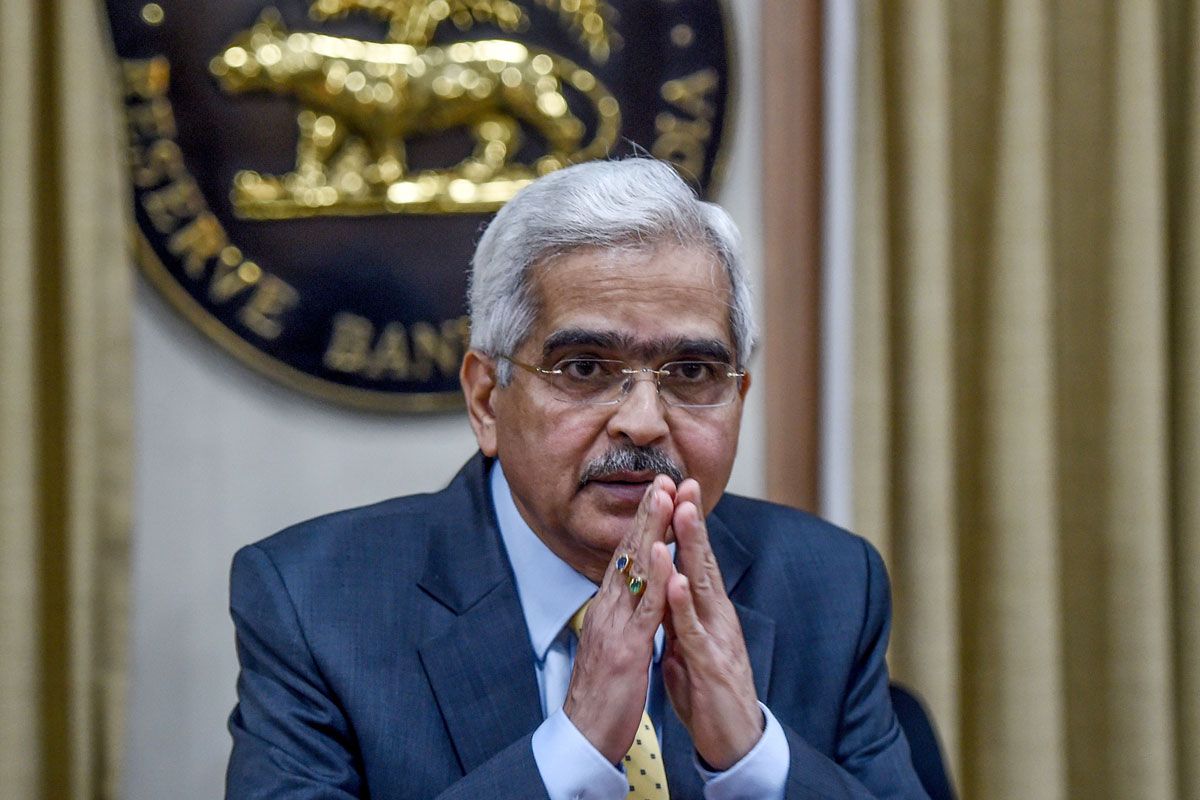
In an era marked by economic turbulence and fluctuating market sentiments, the Reserve Bank of India’s (RBI) decision to hold its key interest rate steady at 6.50 per cent for the ninth consecutive policy meeting speaks volumes about its strategic approach to monetary policy.

In June, South Africa's annual food inflation hit the lowest level in 45 months since September 2020, the data showed.