India, China express satisfaction over peace efforts in border areas
India and China reviewed border peace, diplomatic coordination and bilateral normalisation during the 35th WMCC meeting held in Beijing on Wednesday.

India and China reviewed border peace, diplomatic coordination and bilateral normalisation during the 35th WMCC meeting held in Beijing on Wednesday.
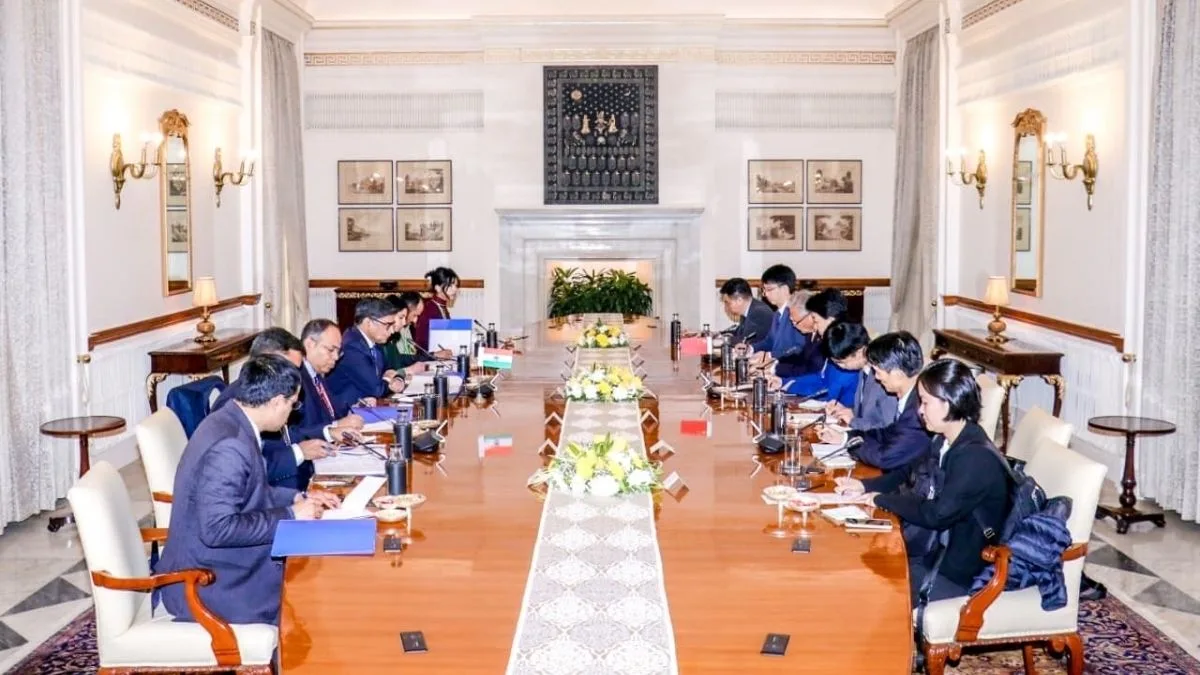
Chinese Vice-Minister of the International Department of the Communist Party of China (IDCPC) Sun Haiyan, who is on a three-day visit to India, met Foreign Secretary Vikram Misri this afternoon.
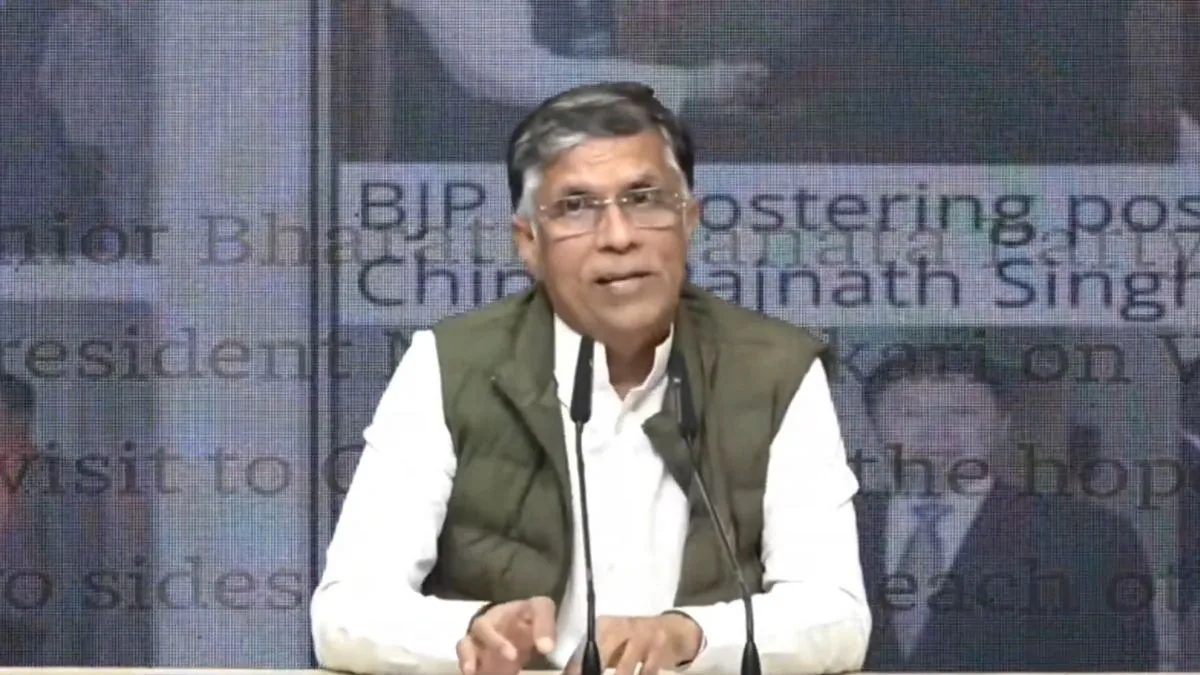
Congress Media and Publicity Department chairman Pawan Khera alleged that Prime Minister Modi’s foreign policy had emboldened Beijing despite multiple provocations and violations.
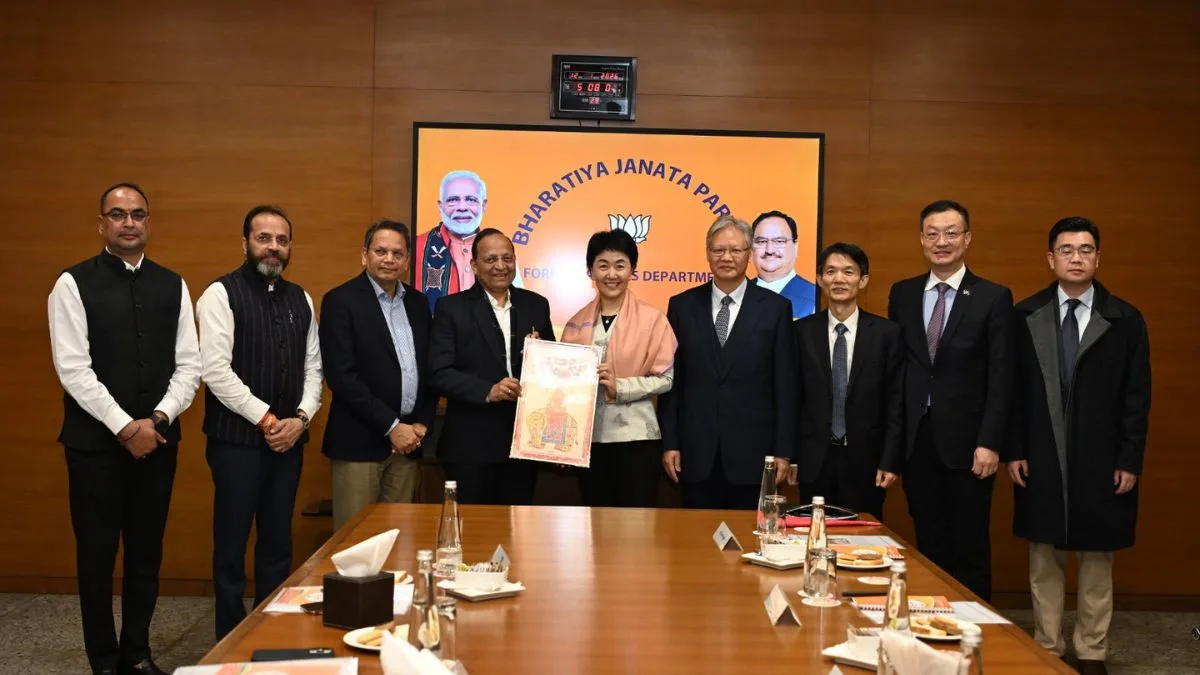
RSS sources, meanwhile, described the meeting as a “pure courtesy call facilitated at the behest of the Chinese delegation,” which had “expressed desire to meet the Sangh leadership.” “It is a courtesy call. The request came from them, and we obliged. There is no agenda to the meeting,” according to a Sangh functionary.
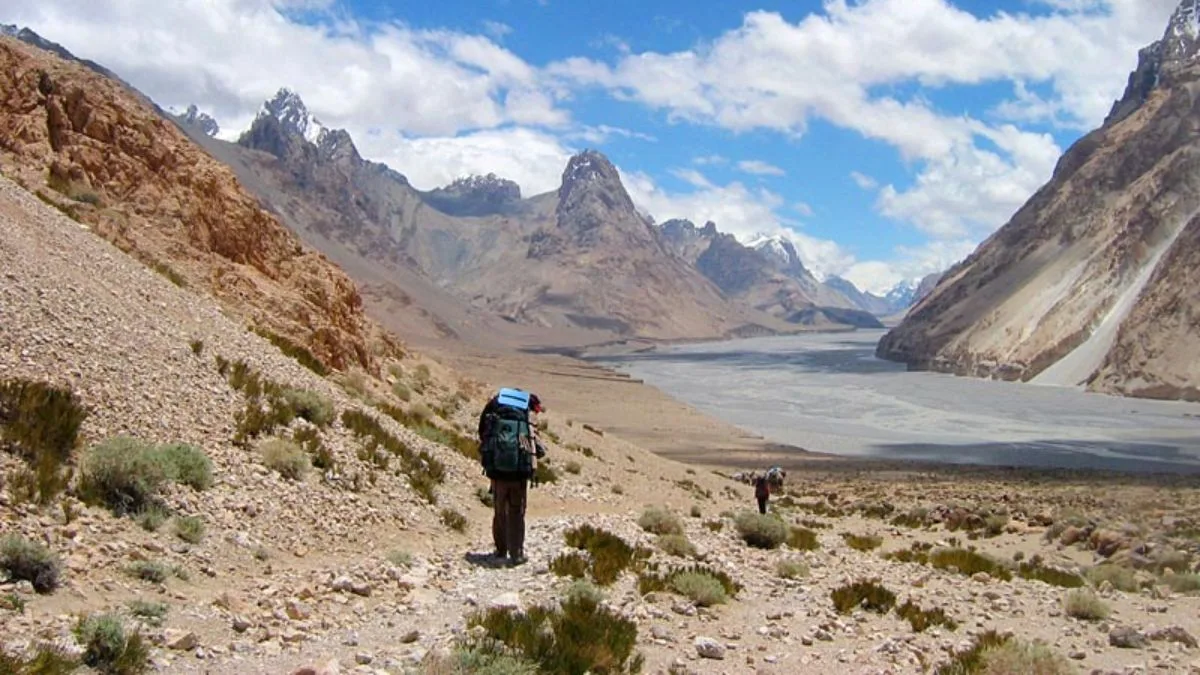
India on Friday expressed its deep concern over reports that China is developing road and military infrastructure at the Shaksgam Valley, a territory ceded by Pakistan to Beijing.
Bangladesh became a new trouble spot for India in its neighbourhood where the caretaker regime left no stone unturned to antagonise New Delhi with its intransigent behaviour and virtually turned a blind eye to the atrocities against the minorities, especially Hindus.

The decision was taken during the 23rd round of India-China Corps Commander Level Meeting, which was held at Chushul-Moldo border meeting point on October 25.

In a significant step toward strengthening India-China relations, regular direct air connectivity between the two neighbouring nations is set to resume after more than five years from tomorrow.

Mr. Wang Yi is scheduled to call on Prime Minister Narendra Modi at his official residence on Tuesday.

"China is a unique problem because it has a unique polity and economy. It's not just an Indian problem," External Affairs Minister S Jaishankar said.