Bangladesh’s balancing act: Delhi or Beijing?
China is Bangladesh’s largest trading partner, and is also the largest source of development funds.

China is Bangladesh’s largest trading partner, and is also the largest source of development funds.

Ministry of Foreign Affairs of Bangladesh summoned India's Deputy High Commissioner, Pawan Badhe to register a formal protest.

The response from New Delhi came after Bangladesh Nationalist Party (BNP) Secretary General Mirza Fakhrul Islam Alamgir's remarks that the future of India-Bangladesh ties hinges on renewal of the agreement.
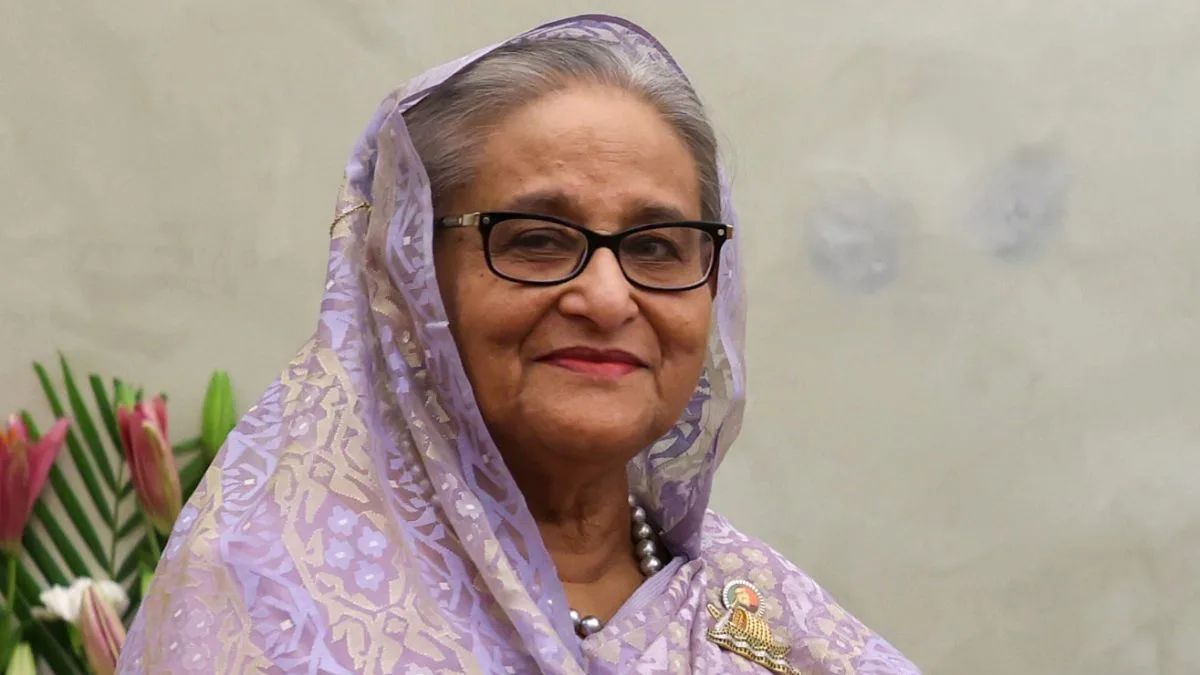
In her message, Sheikh Hasina said that the verdict of the people of West Bengal is a "clear reflection of their deep trust and admiration for Suvendu Adhikari’s strong and people-oriented leadership."
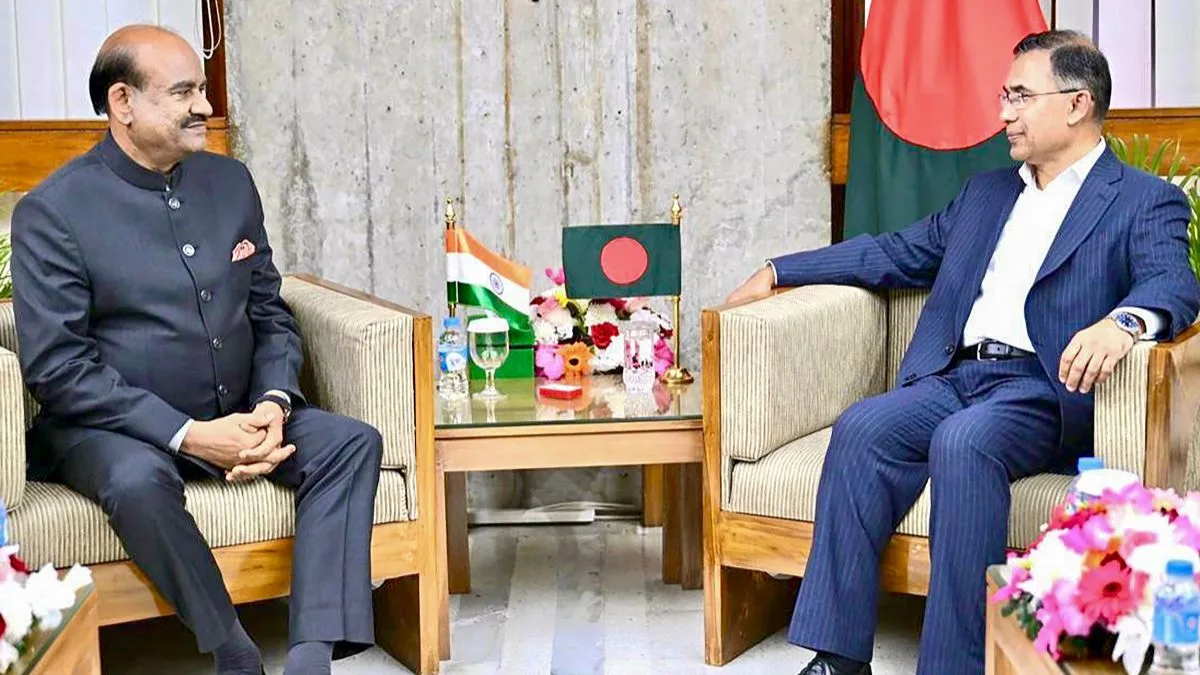
At his regular press briefing here, Ministry of External Affairs spokesperson Randhir Jaiswal noted that Prime Minister Narendra Modi congratulated Bangladesh’s new Prime Minister Tarique Rahman soon after his election victory.

By grouping India’s northeastern states alongside sovereign nations, the outgoing Bangladeshi leader blurred the political boundaries amid already strained India-Bangladesh ties.
For Indian policymakers, the real challenge in resetting ties with Dhaka is not one of intent but of calibration, understanding what is politically feasible in Bangladesh's new landscape, and what is not.

On Friday, New Delhi demanded that Dhaka must take firm action against the ‘disturbing pattern of recurring attacks’ on minorities in its country.

The Congress on Saturday condemned the brutal killing of a Hindu leader in Bangladesh and urged the BJP-led NDA government at the Centre to take up the matter with Dhaka stating that this was not an isolated incident.
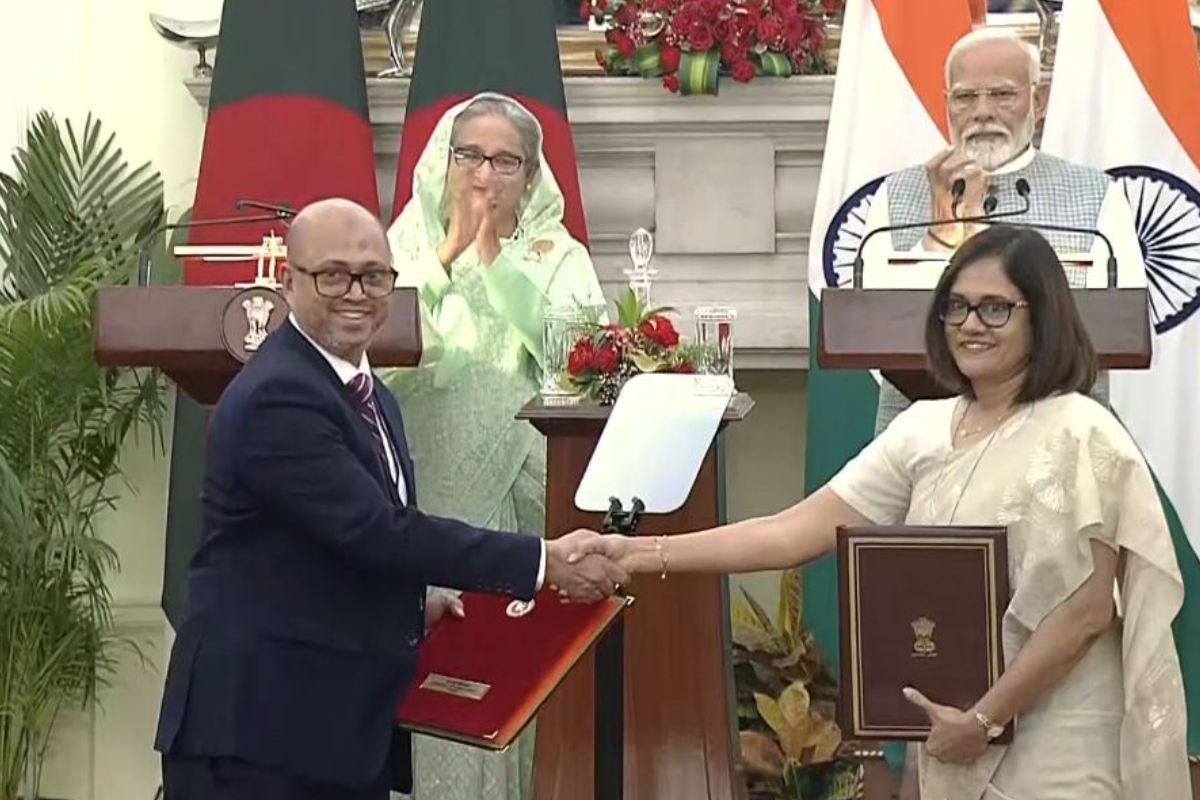
The ceremony took place at Hyderabad House in Delhi, marking a pivotal moment in India-Bangladesh relations.