Reform that boosts growth
India’s GST reform of 3 September marks a transformative leap in indirect taxation, with a streamlined two-rate structure and bold rate reductions that will directly spur demand and growth.
India’s GST reform of 3 September marks a transformative leap in indirect taxation, with a streamlined two-rate structure and bold rate reductions that will directly spur demand and growth.
The BJP and its allies hailed the decision as a "big gift" for the middle class. Prime Minister Narendra Modi stated that the GST reforms aim to ease living for the common man and strengthen the economy.

Addressing the Bharat Nutraverse Expo 2025, the minister said the reduction in GST rates will provide a tremendous and unprecedented boost to consumption demand.
In a major move, the GST Council late Wednesday approved a complete overhaul of the tangled Goods and Services Tax regime, slashing rates on commonly used items ranging from hair oil and corn flakes to TVs, personal health, and life insurance policies.
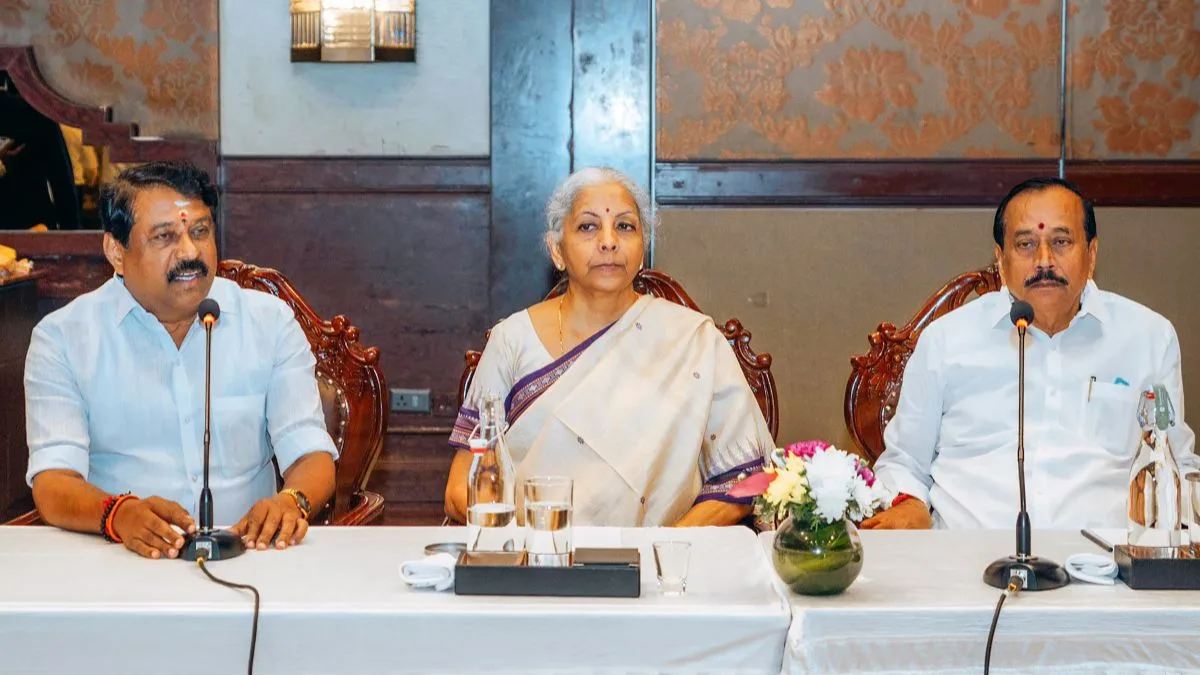
As per reports, during its two-day meeting this week, the proposals to move various items from the 12% and 18% GST slabs to the 5% slab or to the nil GST category aim to reduce the tax burden on households and boost spending.
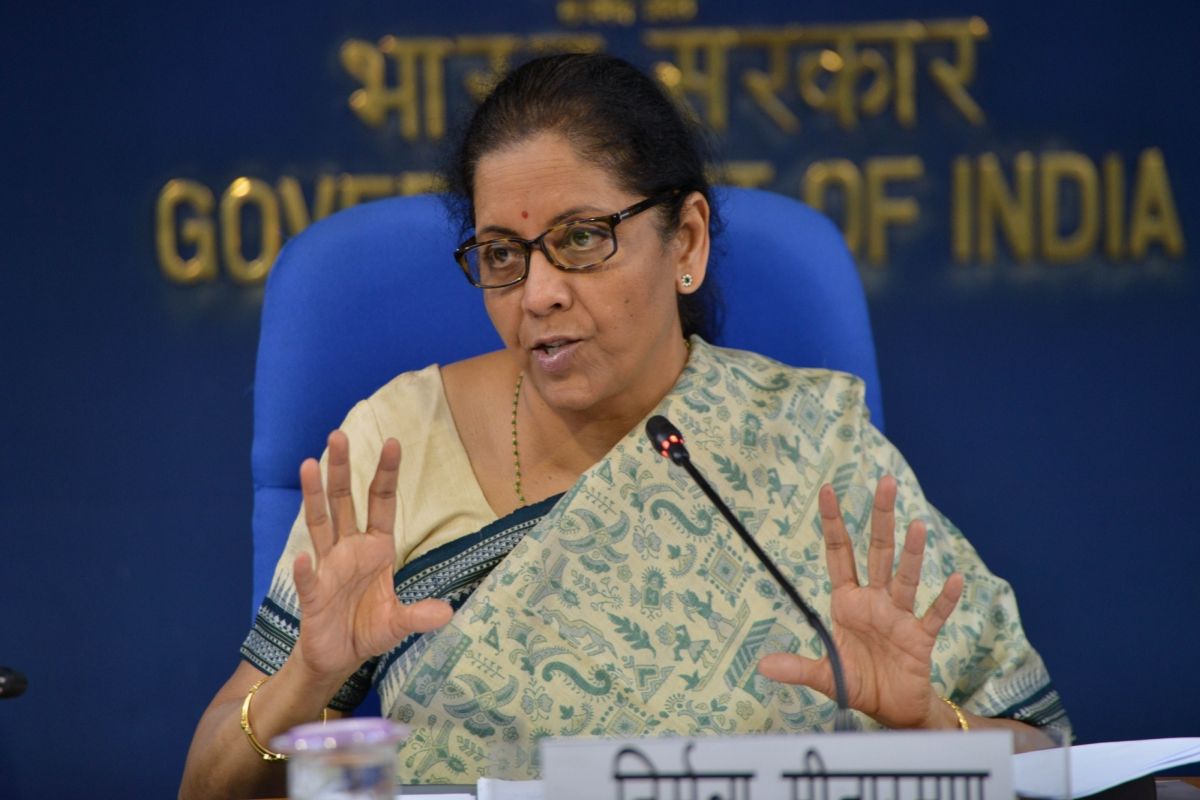
Sitharaman also said that there is nowhere in the world do the prices of petrol and diesel remain steady for a particular period of time.

The Automotive Component Manufacturers Association of India (ACMA) has sought a uniform GST of 18 per cent for the entire sector in order to revive the vertical which has now witnessed 10 months of continuous decline in sales.

The 36th meeting of the Council, which will happen through video conferencing, is also likely to decide the valuation of goods and services in solar power generating systems and wind turbine projects for the purposes of levying GST.
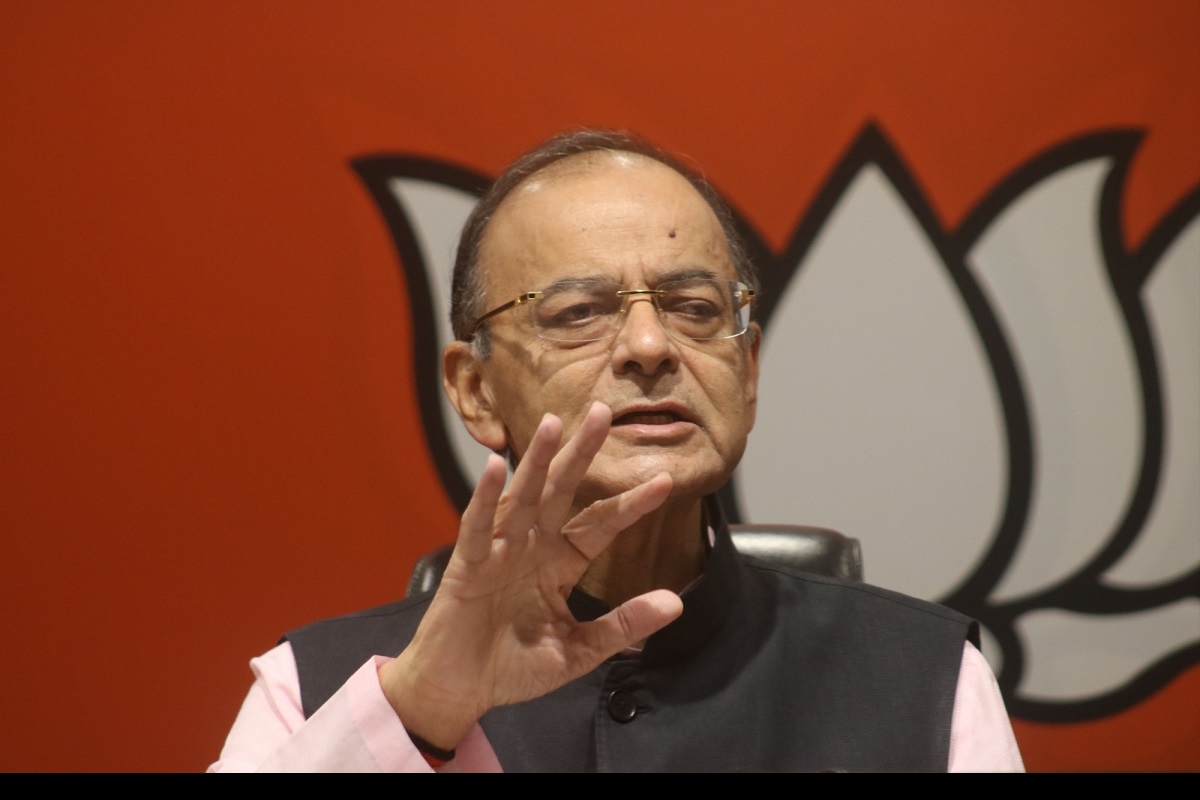
In pre GST era the States had multiple laws which entitled them to impose taxation at different points. The States were scared of the fear of the unknown but the Central Govt. persuaded States with a 14% annual increase from the tax base of 2015-16 for a period of five years, said Jaitley.
It is a buyer-centric move. Developers will be burdened with GST payments to vendors, suppliers, agencies and contractors and it will increase the cost further amid the already shrinking margin due to the dynamic policies of the government.