Reform that boosts growth
India’s GST reform of 3 September marks a transformative leap in indirect taxation, with a streamlined two-rate structure and bold rate reductions that will directly spur demand and growth.
India’s GST reform of 3 September marks a transformative leap in indirect taxation, with a streamlined two-rate structure and bold rate reductions that will directly spur demand and growth.
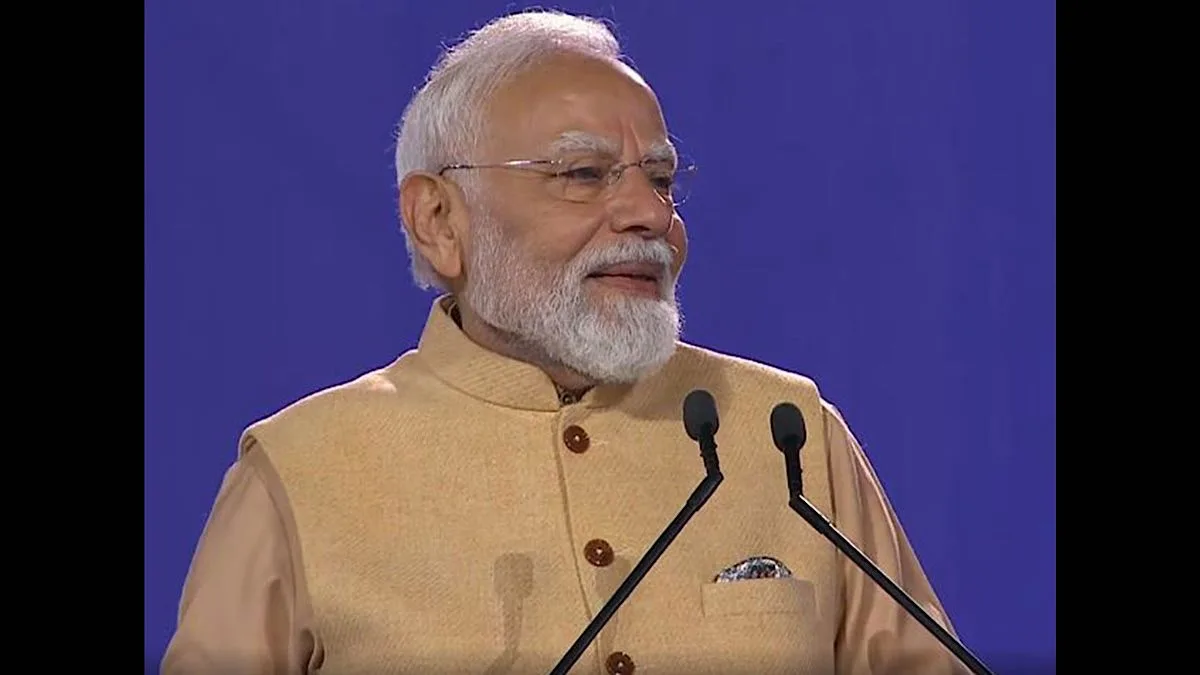
The BJP and its allies hailed the decision as a "big gift" for the middle class. Prime Minister Narendra Modi stated that the GST reforms aim to ease living for the common man and strengthen the economy.

Addressing the Bharat Nutraverse Expo 2025, the minister said the reduction in GST rates will provide a tremendous and unprecedented boost to consumption demand.
In a major move, the GST Council late Wednesday approved a complete overhaul of the tangled Goods and Services Tax regime, slashing rates on commonly used items ranging from hair oil and corn flakes to TVs, personal health, and life insurance policies.
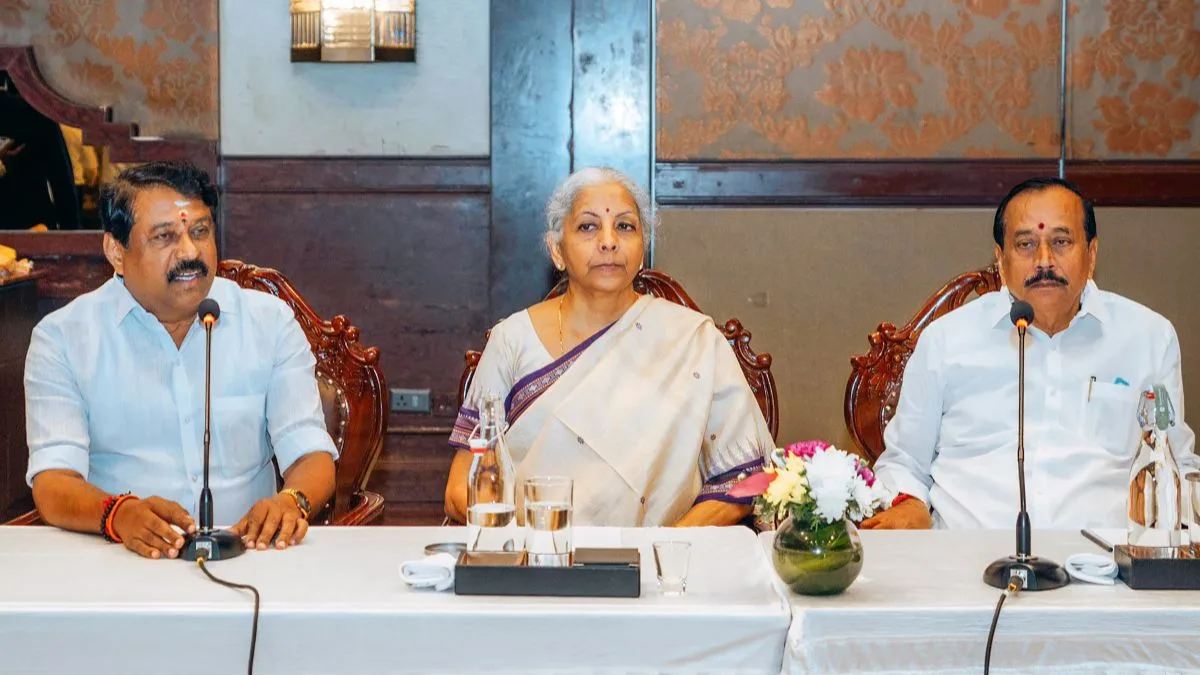
As per reports, during its two-day meeting this week, the proposals to move various items from the 12% and 18% GST slabs to the 5% slab or to the nil GST category aim to reduce the tax burden on households and boost spending.
After the initial hiccups GST is touted as now settling to provide the comfort blanket for producers of goods and services as also consumers, after having been blamed for the economy’s slowdown along with demonetization.
What is still missing in the real estate market is the intention of builders to pass on the benefit of the lower cost to the consumer. On December 8, the GST Council issued a notification seeking to address this very concern
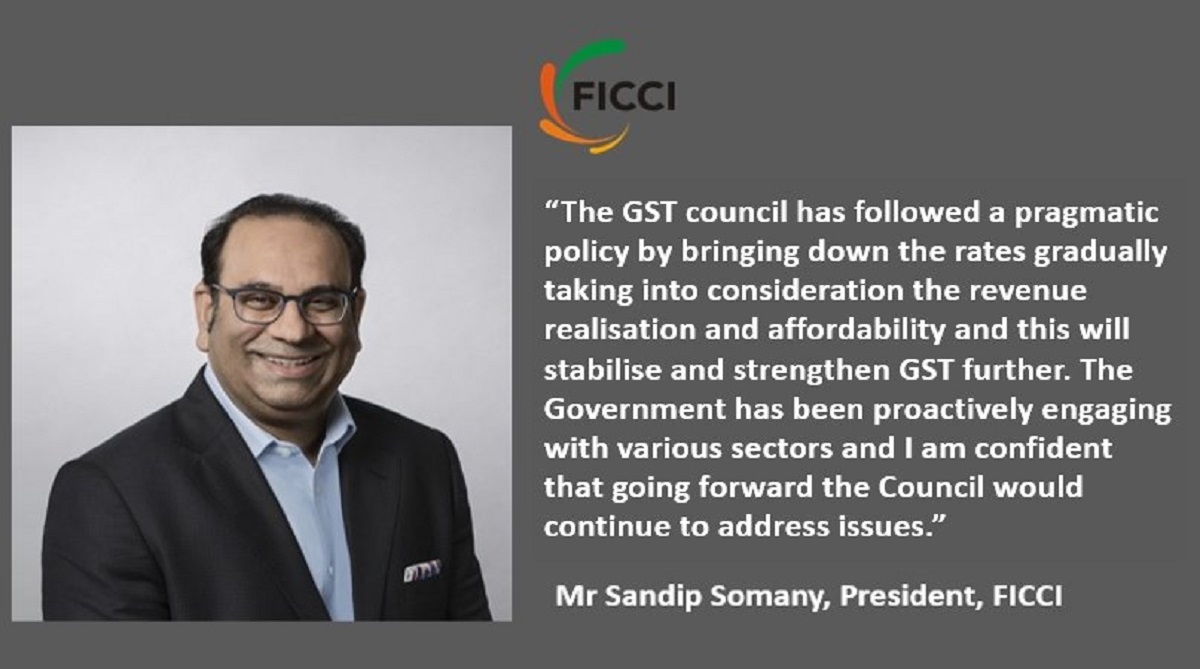
"The government has been pro-actively engaging with various sectors and I am confident that going forward the council would continue to address issues," he added.
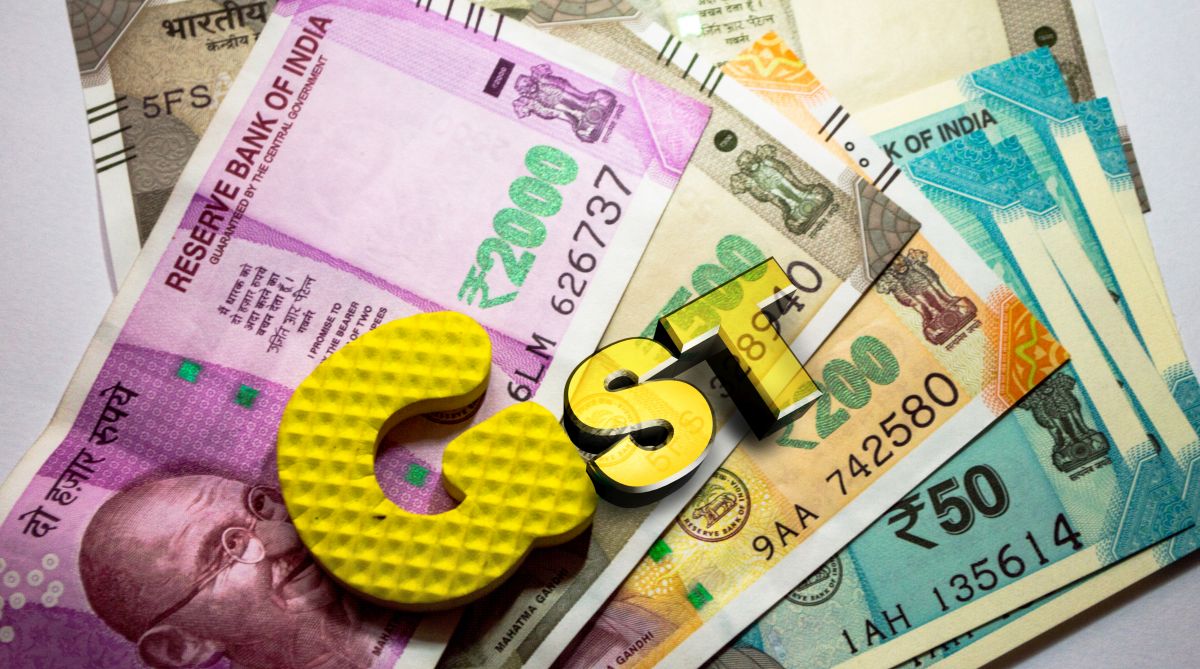
"The revenue collected in September shows an upward trend as compared to the August collection," the Finance Ministry said.
Earlier, when asked whether the GST council meeting discussed bringing petrol and diesel under the ambit of Goods and Services Tax (GST)