Bengal’s chance to plant a new tree
In O. Henry’s The Last Leaf, ailing Johnsy clings to life because one painted leaf refuses to fall. Such is the power of optimism; it does not need to be certain to be effective.
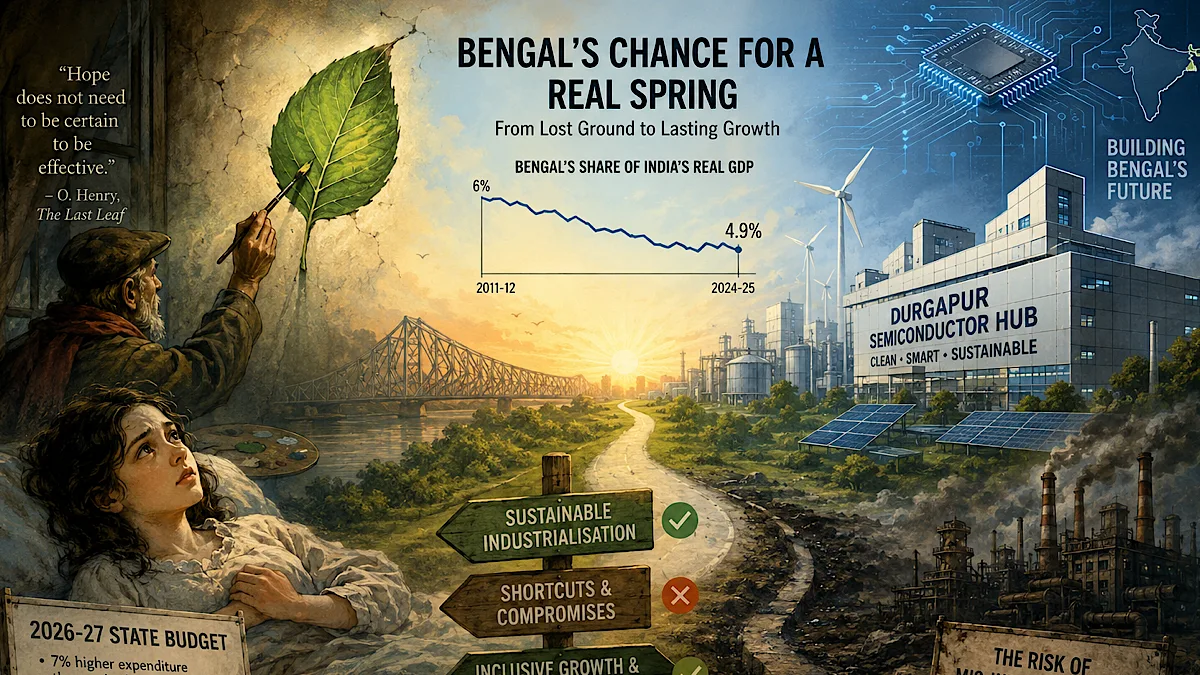
In O. Henry’s The Last Leaf, ailing Johnsy clings to life because one painted leaf refuses to fall. Such is the power of optimism; it does not need to be certain to be effective.

S&P Global Ratings cut India's GDP growth to 6.6 per cent in the current fiscal year, driven by energy stress, a sub-par monsoon and slowing global growth.
India's Gross Domestic Product (GDP) is set to grow at 6.6 per cent in the current fiscal as compared to 7.7 per cent in FY26, said BMI, a Fitch group company, citing weaker investments and consumption growth and trade shocks from the West Asia crisis.
India’s current account surplus moderated to $7.1 billion, or 0.7 per cent of GDP, in the fourth quarter (January-March) of financial year 2025-26, compared with $13.7 billion in the same period a year ago, according to the Reserve Bank of India’s latest Balance of Payments data.
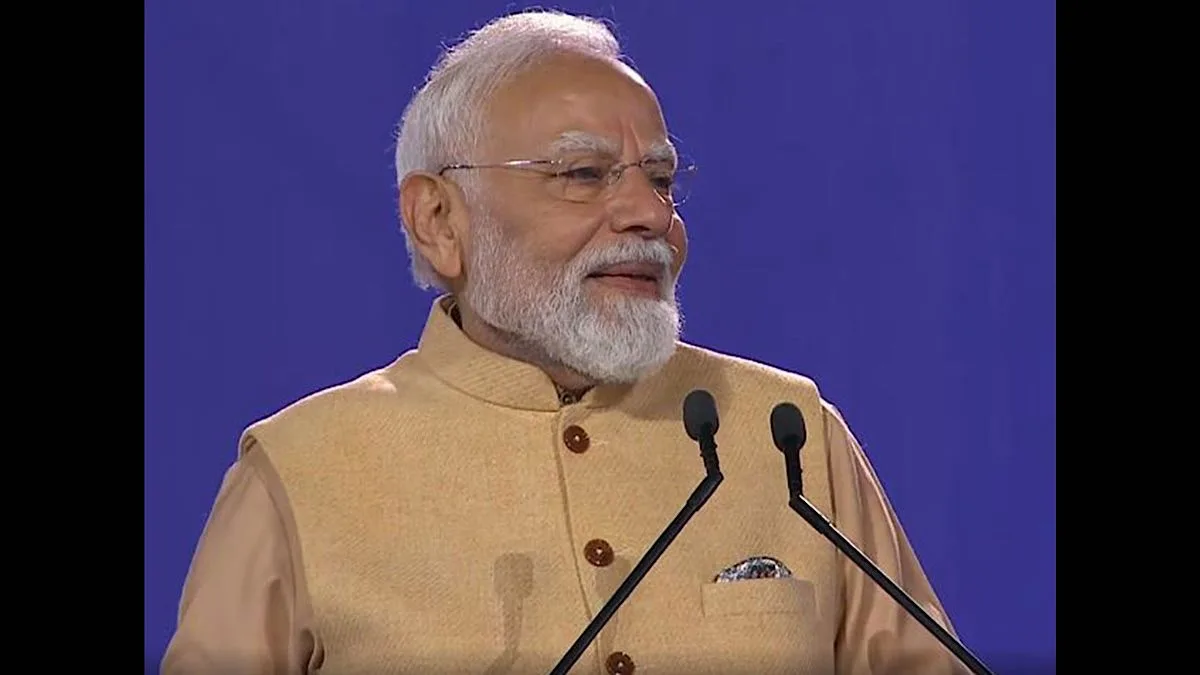
Prime Minister Narendra Modi on Friday welcomed India’s latest GDP data, calling it proof of economic resilience, reform impact and the hard work of 140 crore Indians.

India's growth story continues to draw global attention, backed by strong fundamentals and consistent performance.

A comparison of the two sets of figures published yesterday reveals interesting features. While the USA is ahead of China in Nominal GDP, in terms of PPP, China has already outstripped the USA by a comfortable margin to become the number one economy of the world.

India's economic and financial pundits and policy makers will have much to cheer about the affirmation made by NITI Ayog that based on IMF data, India has surpassed Japan, albeit marginally, to become the fourth largest economy in the world.

The NATO summit in The Hague has concluded with a flourish of symbolism and a bold commitment: alliance members have pledged to increase defence spending to 5 percent of GDP by 2035.

Reaffirming an "ironclad commitment" to collective defence, the NATO Heads of State and Government on Wednesday agreed to invest five per cent of GDP annually on core defence requirements as well as defence-and security-related spending by 2035.