Delhi to expand EV charging network to 32,000 stations in four years
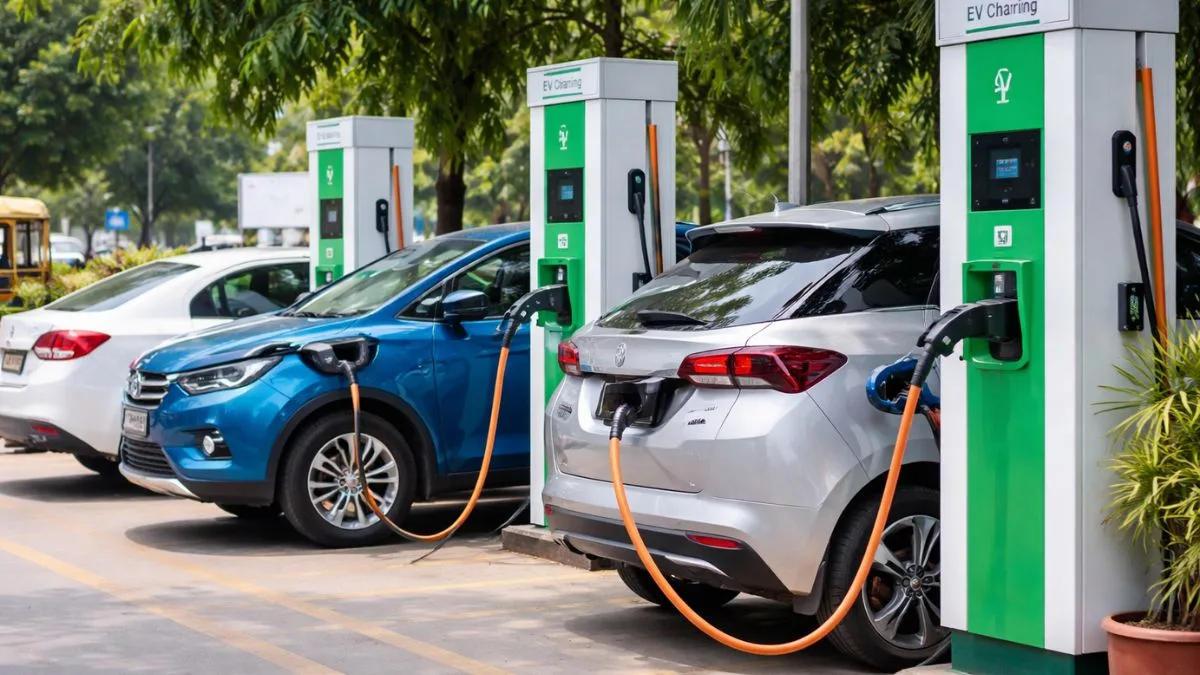
The Delhi Government has started chalking out a comprehensive roadmap to develop a strong and reliable charging network for electric vehicles (EVs) across the national capital.

The Delhi Government has started chalking out a comprehensive roadmap to develop a strong and reliable charging network for electric vehicles (EVs) across the national capital.

Days after her government launched a new EV (Electric Vehicle policy, Delhi Chief Minister Rekha Gupta expressed confidence that the ambitious move will play a crucial role in contributing towards realising the vision of a clean, healthy and pollution-free National Capital.
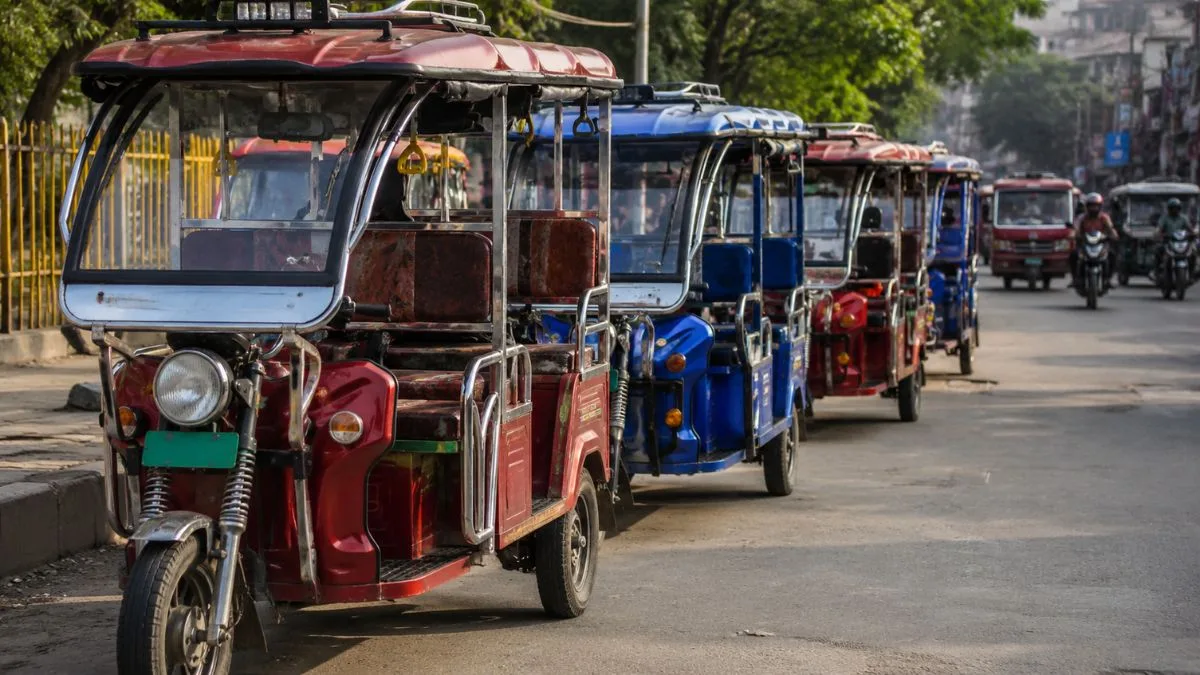
The Centre has ordered the removal of the BAT-BMS app from major app stores after reports that it could be used to remotely interfere with e-rickshaw battery systems. Authorities are now assessing broader cybersecurity risks linked to connected electric vehicles.
Delhi’s draft EV Policy 2026 opens for consultation, proposing incentives, scrappage benefits and strict timelines to push electric mobility across two-wheelers, commercial fleets and private vehicles.

CAFE norms are standards set by the government regarding a minimum average fuel efficiency and maximum CO2 emission level - not for individual models of four-wheelers, but for the entire fleet of an auto manufacturer.

Chief Minister Atishi said on Thursday that the Delhi Cabinet has decided to restart the Electric Vehicle Policy to reinforce the government’s commitment to a cleaner future.
With nearly four million electric vehicles (EVs) sold in India cumulatively by March this year, the market is in the midst of an explosive growth phase and will become a major power consumer, a report said on Thursday.
The survey was conducted to evaluate the key indicators around last mile delivery companies' fleet transitioning to EVs. It measures public perception of air pollution linked to last mile deliveries and scale of demand for transition to EV by brands involved in deliveries by some of the e-commerce giants.
The number of electric vehicles (EVs) registered in FY24 increased significantly by 42.06 per cent as compared to FY23, the Parliament was told on Friday.

Nepal's trade dynamics have experienced a notable shift in recent months, reflecting broader economic and geopolitical trends in the region.