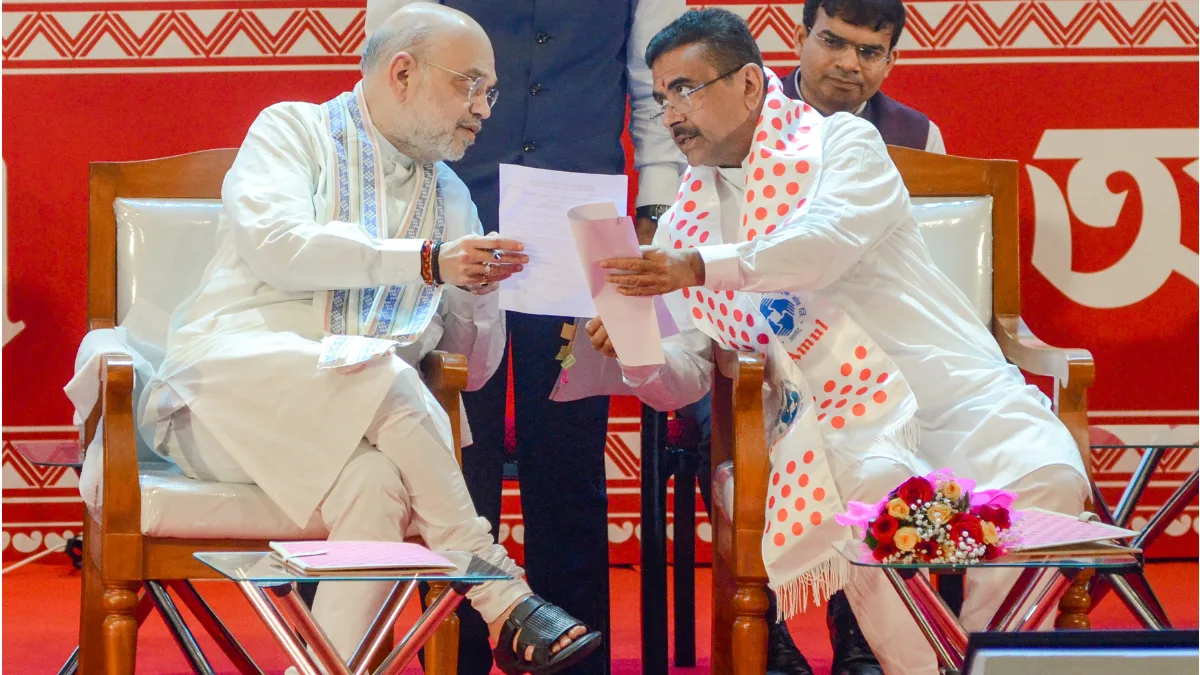
EV subsidy scheme accelerates electric vehicle adoption in UP
Uttar Pradesh government's Electric Vehicle Manufacturing and Mobility Policy-2022 is delivering significant results across the state.
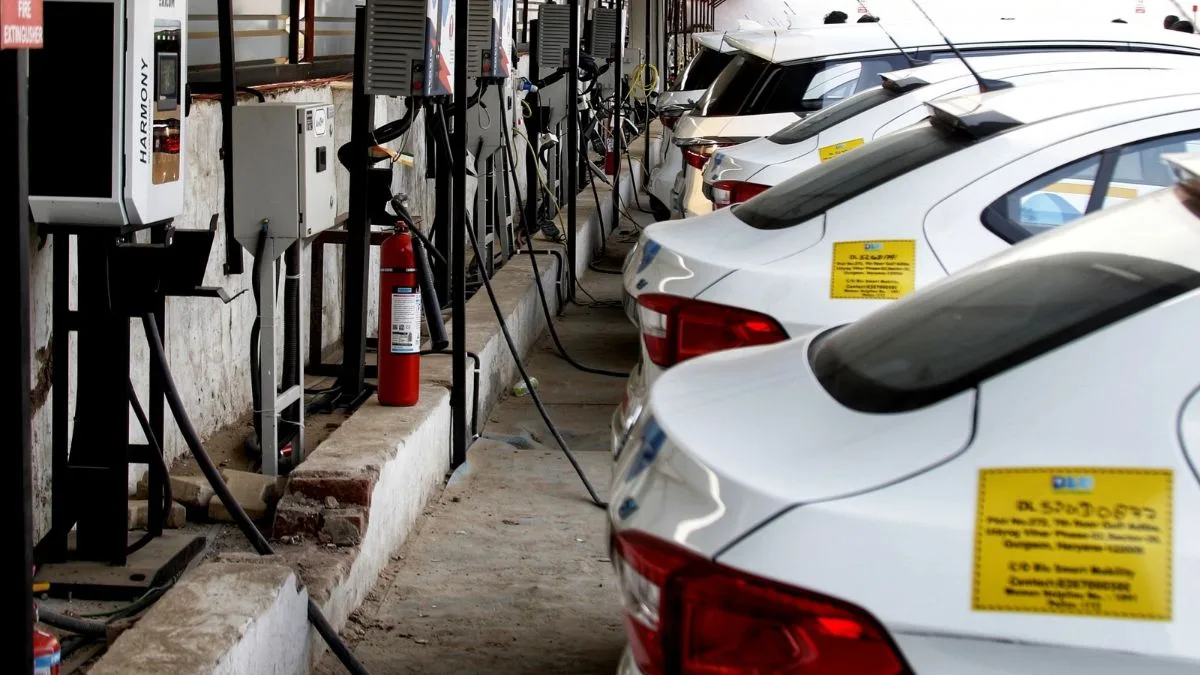
Uttar Pradesh government's Electric Vehicle Manufacturing and Mobility Policy-2022 is delivering significant results across the state.
For years, India’s electric vehicle debate was driven largely by environmental concerns.
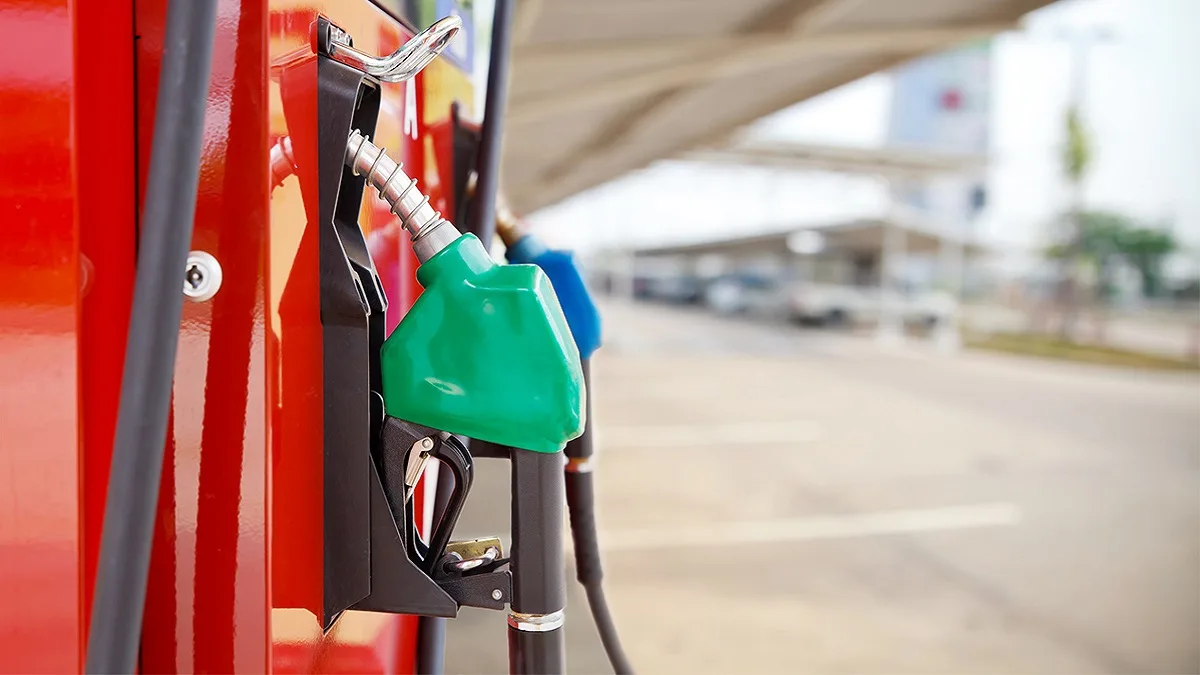
Delhi’s latest electric vehicle proposal makes one thing clear: when policymakers run out of ideas to make cleaner technology attractive, they reach for taxes.

The electric vehicle (EV) revolution is no longer a distant dream or just a government target - it’s happening right now and changing how the world moves. What once felt futuristic has become reality as governments, companies, and people come together to make electrification the main way forward for cleaner and more sustainable transport.
India's electric vehicle (EV) revolution faces a mineral bottleneck that could prove far more consequential than any production hiccup or policy delay.
The decision was taken during a cabinet meeting chaired by Chief Minister Rekha Gupta at the Delhi Secretariat on Tuesday.

India's electric vehicle (EV) ambitions may face a critical supply-side hurdle due to China's tightening grip on rare earth magnet exports, according to a report by Crisil Ratings.
Electric vehicle (EV) maker Ampere's total income from operations in FY24 declined by 46 per cent to Rs 612 crore, from Rs 1,124 crore in FY23.
EVs are emerging as a transformative solution, in line with India’s COP26 commitment to transition to 100 per cent zero-emission vehicles by 2040.

While it is absolutely possible to realise the environmental benefits of EVs, this will depend on the source of energy used to charge them. India has a rich solar and wind resource, which can be tapped into to realise these potential benefits.