EV subsidy scheme accelerates electric vehicle adoption in UP
Uttar Pradesh government's Electric Vehicle Manufacturing and Mobility Policy-2022 is delivering significant results across the state.
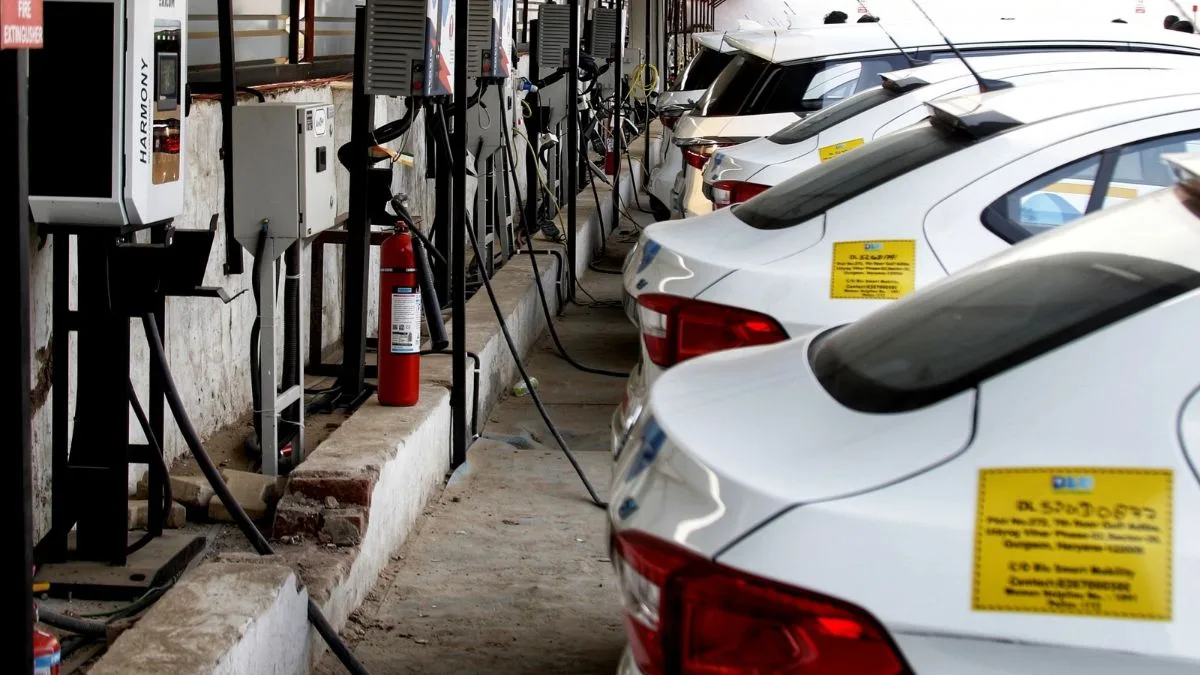
Uttar Pradesh government's Electric Vehicle Manufacturing and Mobility Policy-2022 is delivering significant results across the state.
For years, India’s electric vehicle debate was driven largely by environmental concerns.
Delhi’s latest electric vehicle proposal makes one thing clear: when policymakers run out of ideas to make cleaner technology attractive, they reach for taxes.

The electric vehicle (EV) revolution is no longer a distant dream or just a government target - it’s happening right now and changing how the world moves. What once felt futuristic has become reality as governments, companies, and people come together to make electrification the main way forward for cleaner and more sustainable transport.
India's electric vehicle (EV) revolution faces a mineral bottleneck that could prove far more consequential than any production hiccup or policy delay.
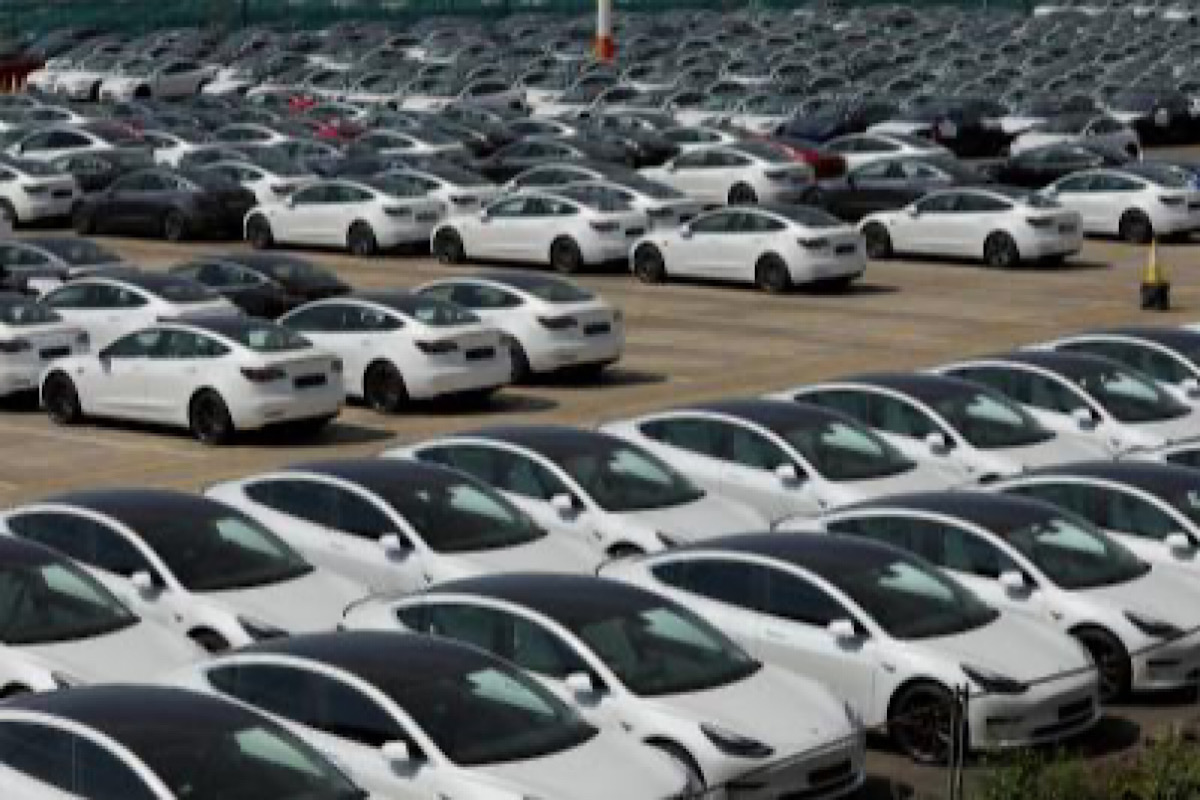
Electric Vehicles (EVs) are reshaping the automotive landscape, offering significant environmental and economic advantages, from reduced emissions to lower maintenance costs. The global transition toward EVs is accelerating, with nearly 14 million new electric cars registered in 2023 alone, bringing the worldwide total to 40 million, as per the International Energy Agency.

As the global shift towards sustainable energy solutions accelerates, electric vehicles (EVs) have become central to this transformation. However, the rapid expansion of the EV market presents significant challenges, particularly in managing the growing volume of electronic waste (e-waste).
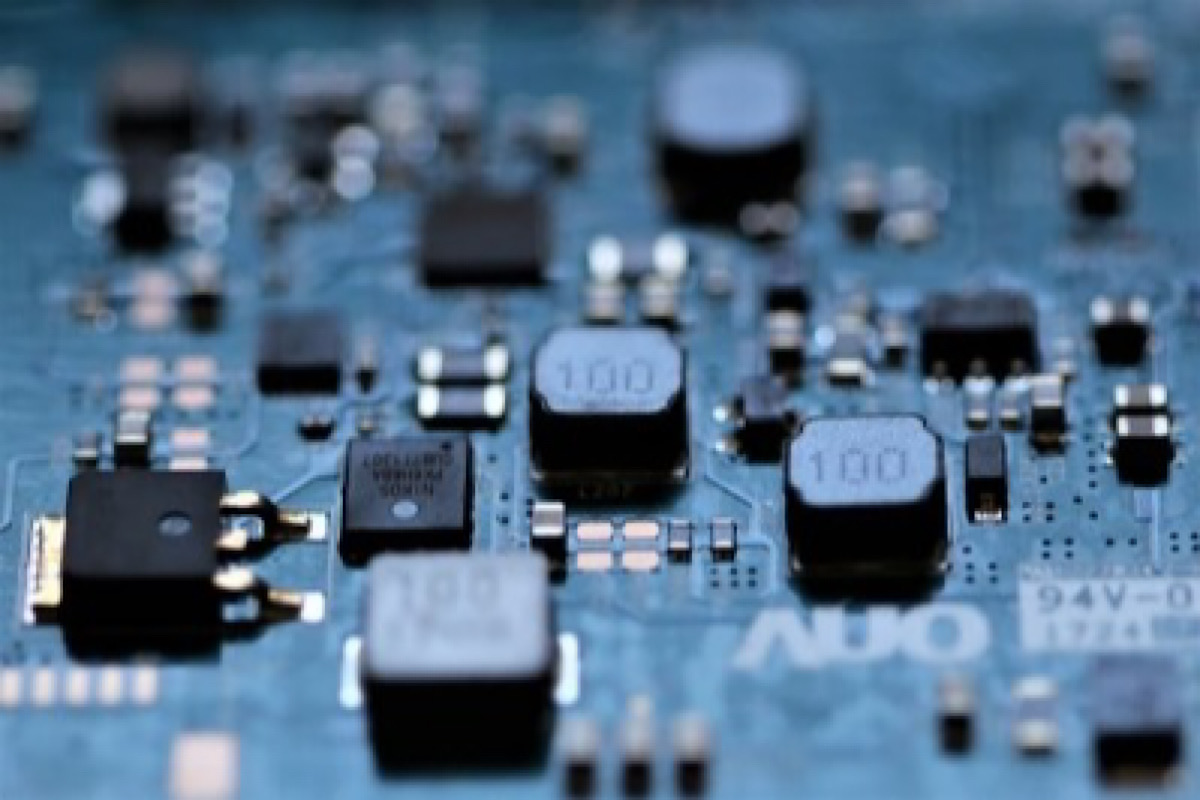
As India doubles down on local manufacturing of end-to-end electronics products and more, there lies a massive $15 billion opportunity for Taiwanese companies across sectors like printed circuit boards (PCBs), electronic components and electric vehicle (EV) infrastructure, according to a new report.
Indonesia has inaugurated its first electric vehicle (EV) battery factory, which will operate entirely on renewable energy at the Neo Energy Morowali Industrial Estate in Central Sulawesi.

Maruti Suzuki India on Tuesday said the automaker is geared up to launch its first electric vehicle (EV) with a range of 500 km per charge in January next year.