Science Dividend
India's economic rise has produced a new class of billionaires whose philanthropy can shape the country’s future as much as their businesses.

India's economic rise has produced a new class of billionaires whose philanthropy can shape the country’s future as much as their businesses.
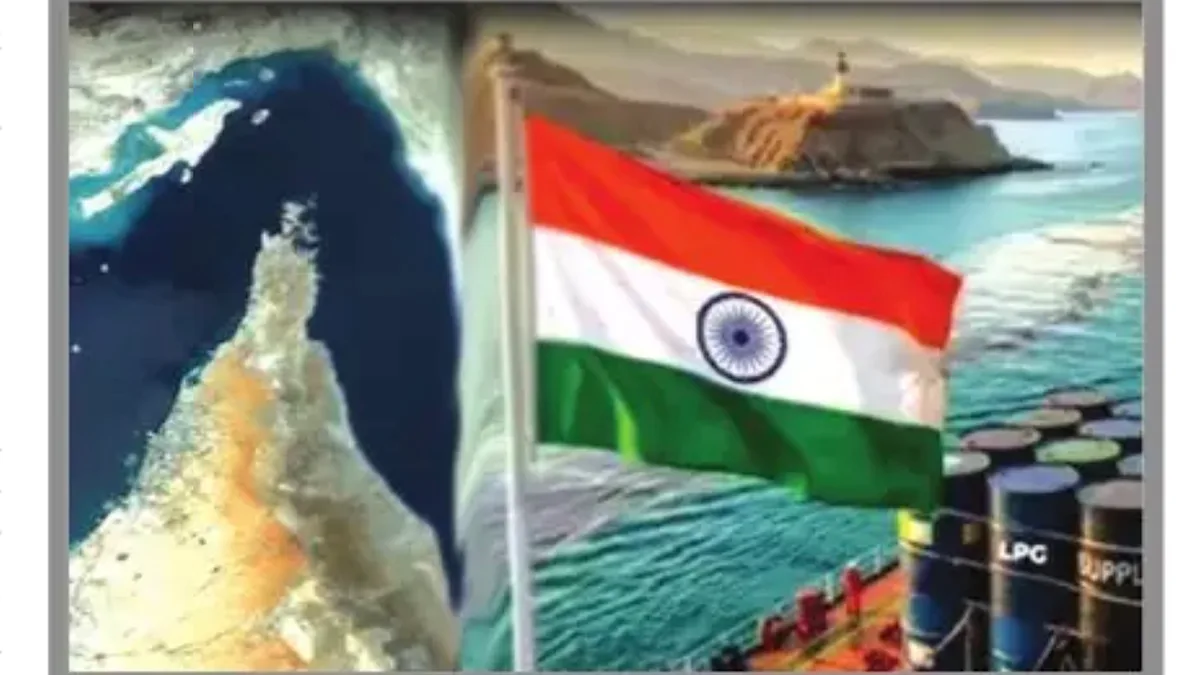
Geopolitical crises early arrive with neat labels. They unsettle markets, test diplomacy and expose economic vulnerabilities.
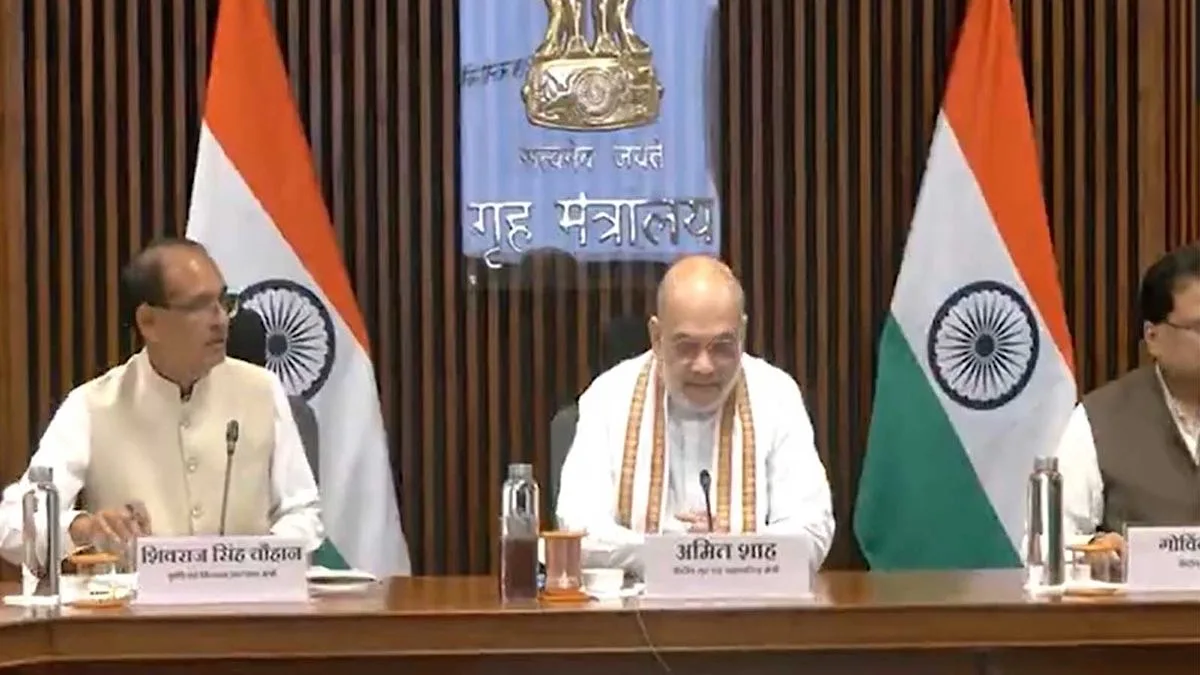
The Prime Minister's Office (PMO) on Tuesday conducted a high-level review of the country's preparedness for the possible impact of El Niño on agriculture and other sectors of the economy.
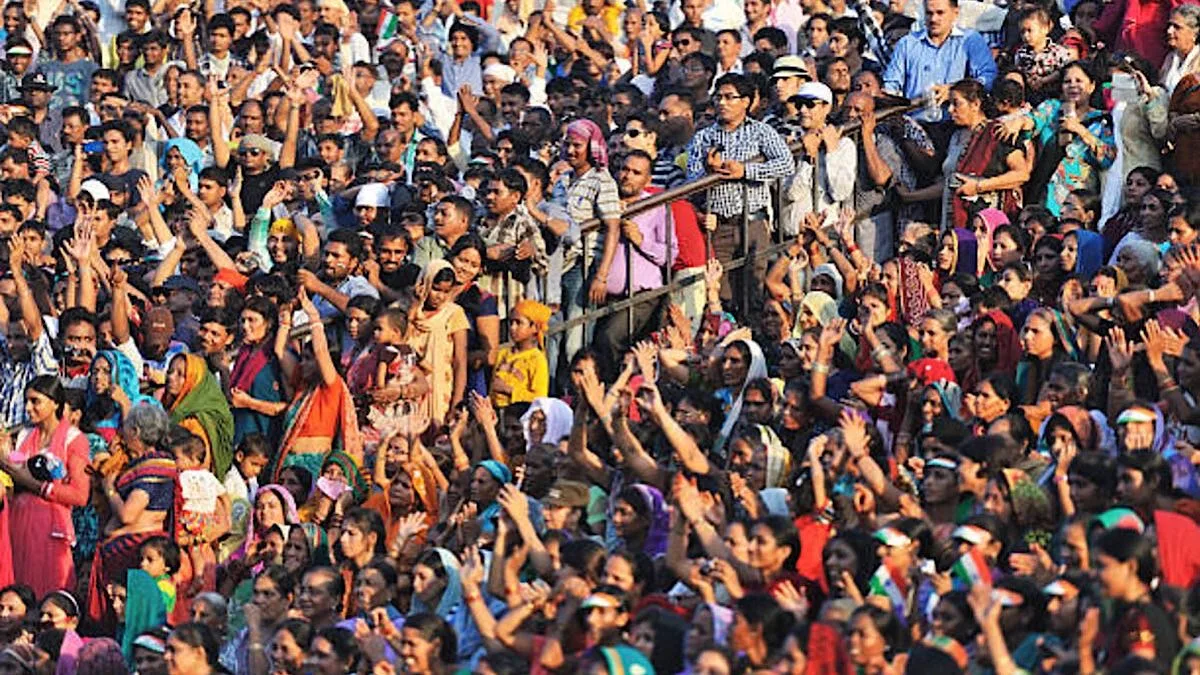
India is frequently celebrated as the world’s youngest major democracy. With more than half of its population below the age of thirty, the country possesses a demographic advantage that many developed economies can only envy.
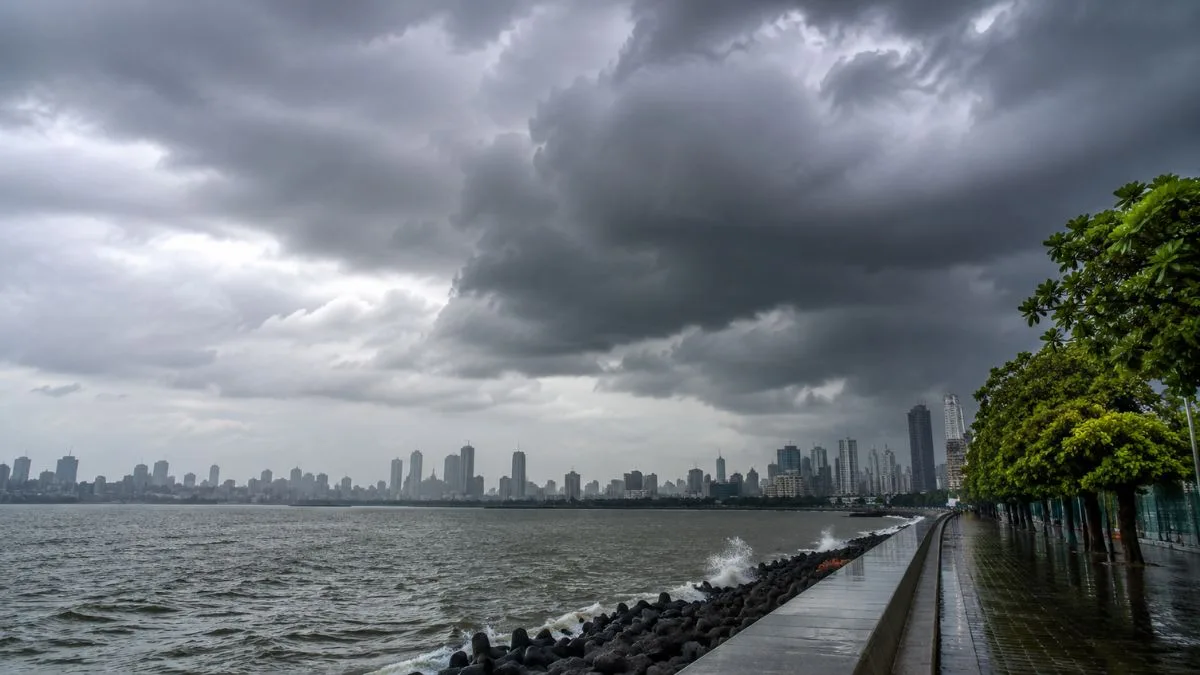
For India, the southwest monsoon is far more than a seasonal we ather phenomenon. It is the lifeline of the economy, sustaining agriculture, replenishing water reservoirs, supporting hydropower generation and influencing inflation, employment and food security.
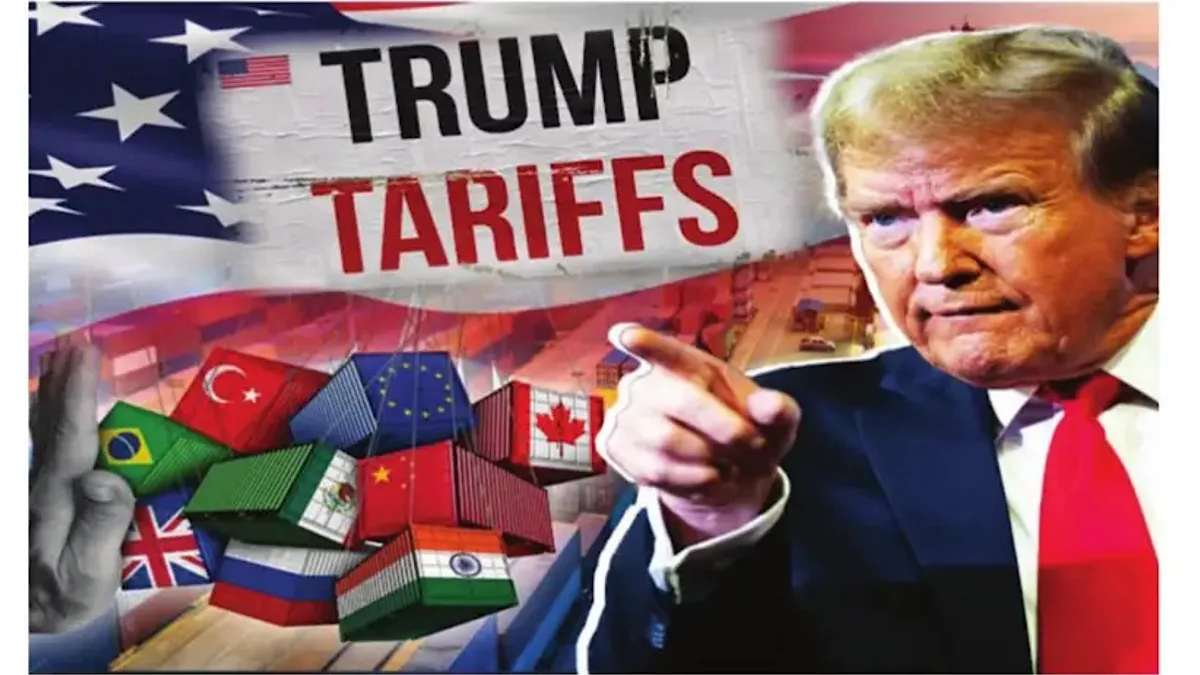
Let’s turn to the international stage. An independent-minded foreign government, however determined an adversary or stalwart an ally, invites tariffs.

I ndia has chosen an unusual weapon to counter an external economic assault: cheaper goods for its own citizens.
Business leaders have lauded the Centre’s approval of a simplified Goods and Services Tax (GST) structure, calling it a transformative step for India’s economy.

State-owned Manganese Ore (India) Limited (MOIL) achieved its highest-ever August production of 1.45 lakh tonnes, registering an impressive 17 per cent growth over the corresponding period last year.
In effect, central banks affect market sentiment by expanding their balance sheets (technically called quantitative easing), since buying long-term bonds lowers their yields, whilst increased liquidity lowers short-term rates, thus changing the whole interest rate curve.