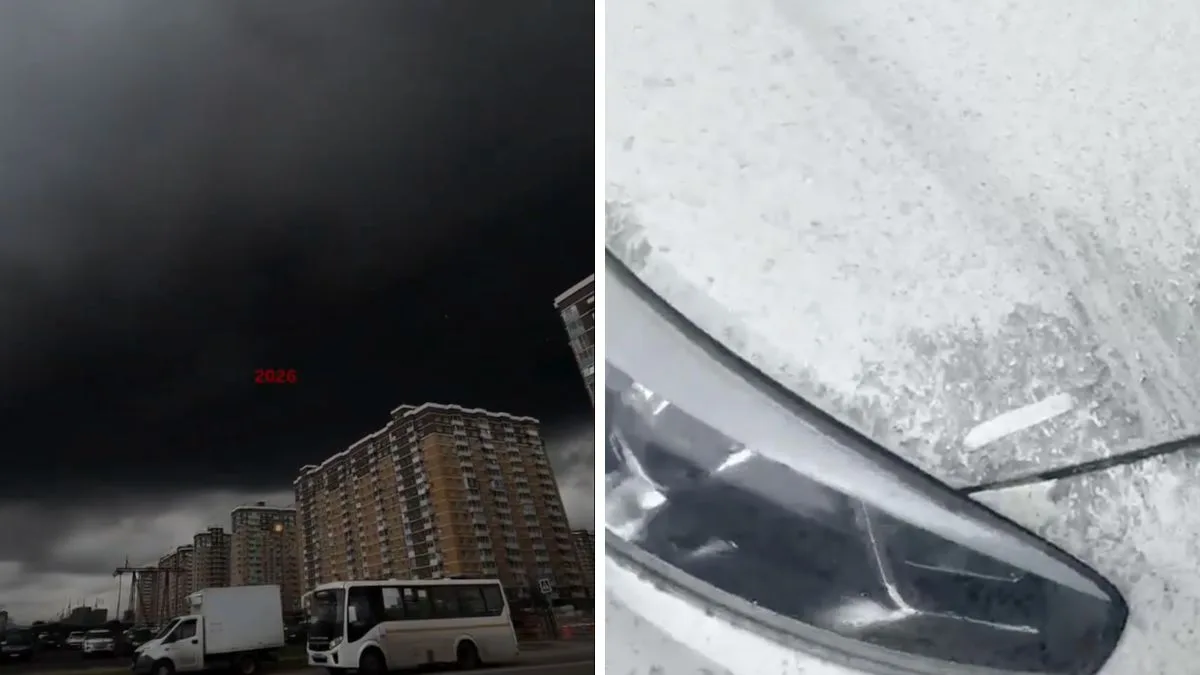
Thermal Reckoning
The most telling measure of today’s climate crisis is not the headline temperature spike or the spectacle of a heatwave, but a quieter, more consequential shift: the Earth is now consistently absorbing more energy than it releases.
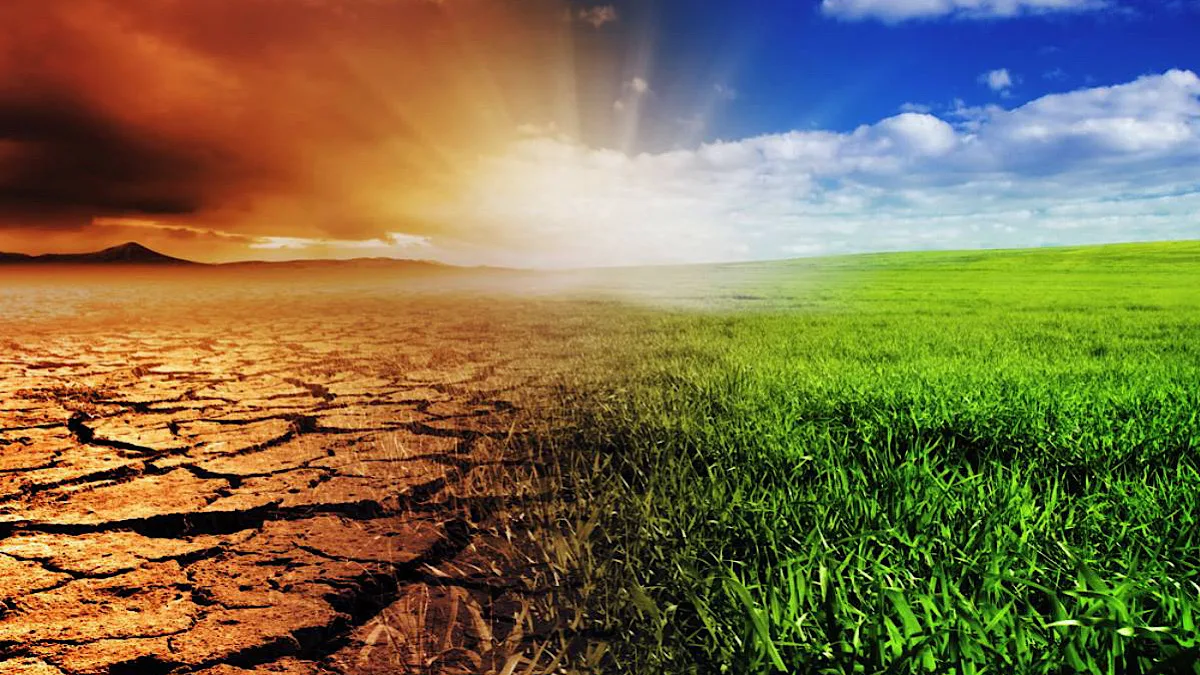
The most telling measure of today’s climate crisis is not the headline temperature spike or the spectacle of a heatwave, but a quieter, more consequential shift: the Earth is now consistently absorbing more energy than it releases.
You feel parched, maybe after a thorough session at the gym or simply after overworking yourself inside your centralised office space or after running a kilometre trying to make it on time for your first class.
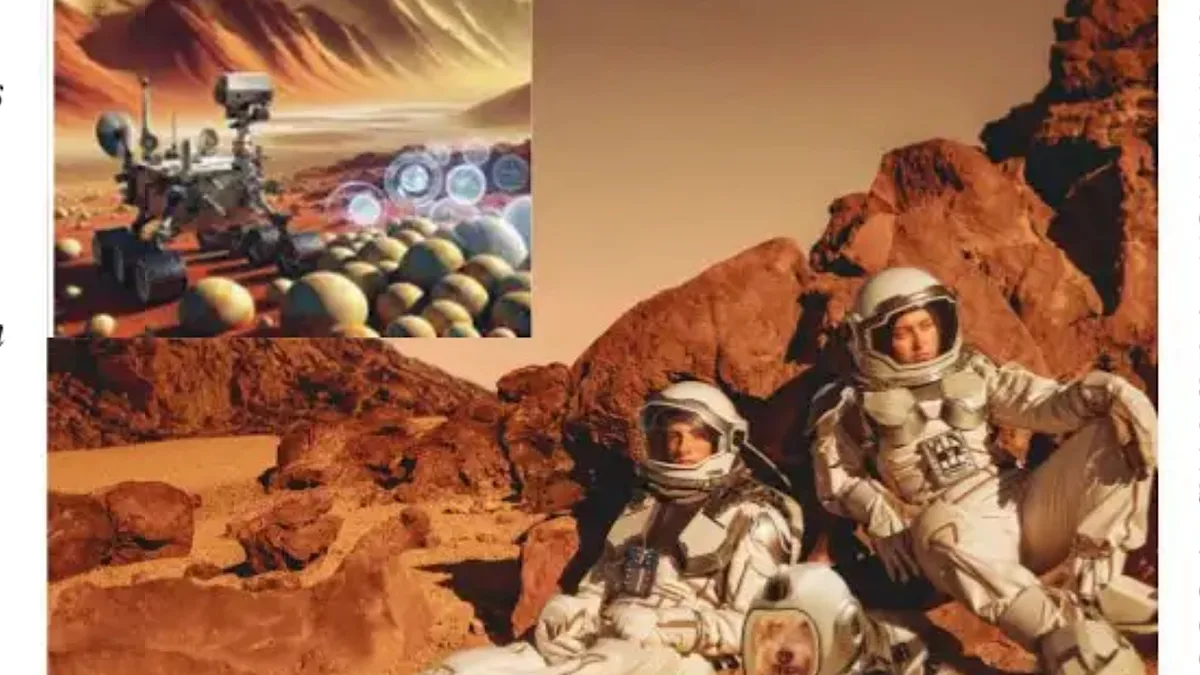
In recent weeks, headlines have captured public imagination with the tantalizing phrase: “Dinosaur eggs found on Mars.” NASA’s Curiosity rover, tirelessly exploring the slopes of Mount Sharp in Gale Crater, recently imaged a set of rounded, clustered rock formations that immediately drew attention.

Famed NASA astronaut Jim Lovell, who commanded the harrowing Apollo 13 mission that was forced to abandon a lunar landing attempt in 1970, has died aged 97.

After more than two weeks aboard the International Space Station (ISS), Indian astronaut Shubanshu Shukla is heading home, with science samples in tow and a suitcase full of memories.

President Droupadi Murmu, Prime Minister Narendra Modi among several leaders congratulated the Crew-9 astronauts, including Indian-origin astronaut Sunita Williams, as they safely returned to Earth on Wednesday.

Prime Minister Narendra Modi has extended an invitation to NASA astronaut Sunita Williams to visit India following her return to Earth. Williams, one of the two astronauts stranded in orbit for nine months, is currently en route back aboard a SpaceX Dragon capsule.

Addressing the UN’s Summit of the Future, Modi said: "By lifting 250 million people out of poverty in India, we have demonstrated that sustainable development can be successful."
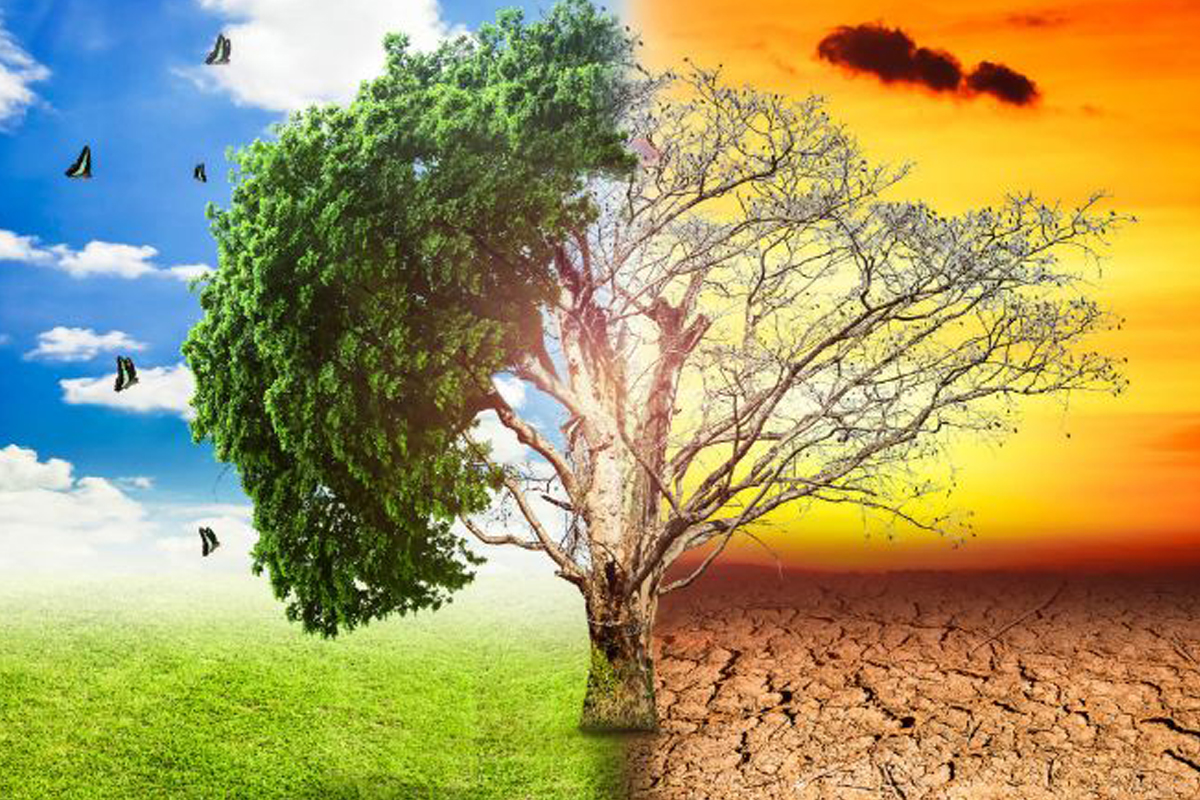
As a child growing up in the early 1990s, I remember learning in school about the greenhouse effect. Carbon dioxide released by burning fossil fuels traps heat near the Earth’s surface, like the glass of a greenhouse.

Recent snapshots of our living earth relayed by satellites above have undoubtedly been among the most dramatic images ever encountered by humans. Earlier images, in comparison, would have much smaller areas of barren rocks and urban sprawl; much more extensive tree cover.