Fragmented climate responses won’t work
For much of the past three decades, climate change occupied a distinct corner of public policy.
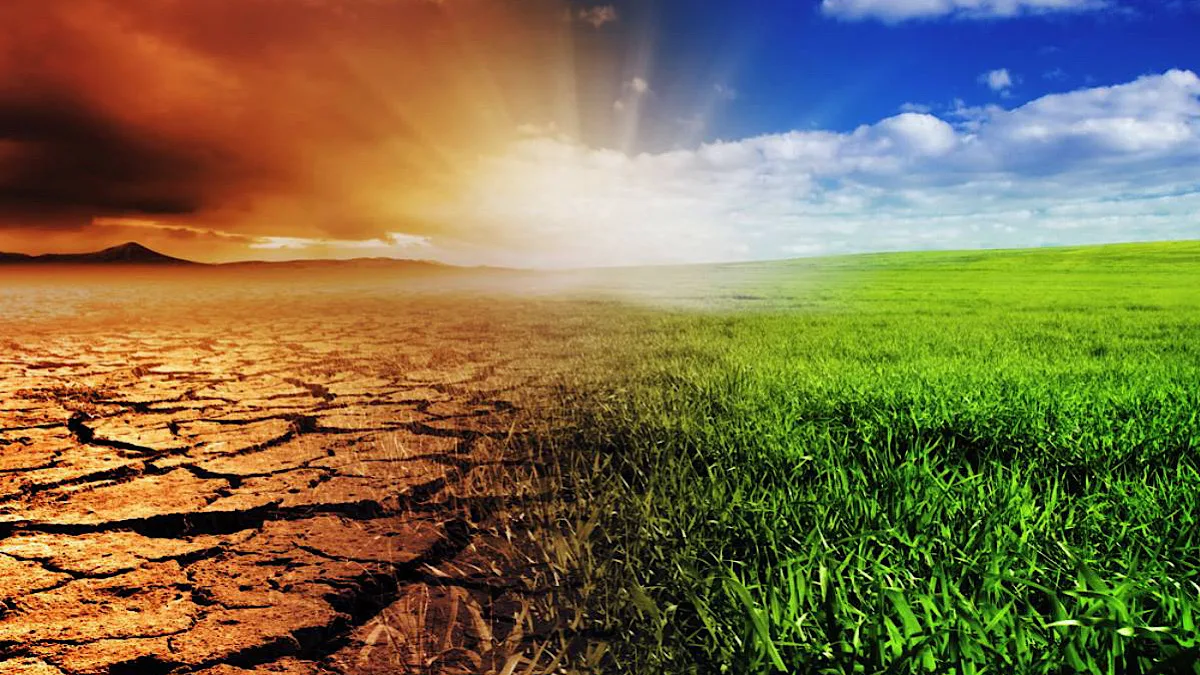
For much of the past three decades, climate change occupied a distinct corner of public policy.

Wildlife experts deliberated on the decision to expand conservation efforts for Pygmy Hog, the smallest and rarest wild pig, at the national level and include them in India’s species recovery programme, according to officials from the Ministry of Environment, Forest and Climate Change.

Nearly 8 BCM lost in two weeks as reservoirs shrink, groundwater declines and river basins face mounting pressure before monsoon

The word ‘emergency’ evokes an intense sense of unease, often associated with the suspension of established norms and procedures in pursuit of a perceived larger objective. Different forms of emergencies command our attention in different ways.
The emphasis of modern environmental policy has been on prevention. Governments, international institutions and activists have rightly focused on reducing emissions, protecting ecosystems and slowing the pace of climate change.

A day before the critical climate negotiations kick off, India has voiced its concerns regarding the developed nations' commitments to the Paris Agreement (signed at COP21), specifically criticising their failure to provide reliable funding for climate change mitigation and adaptation efforts.
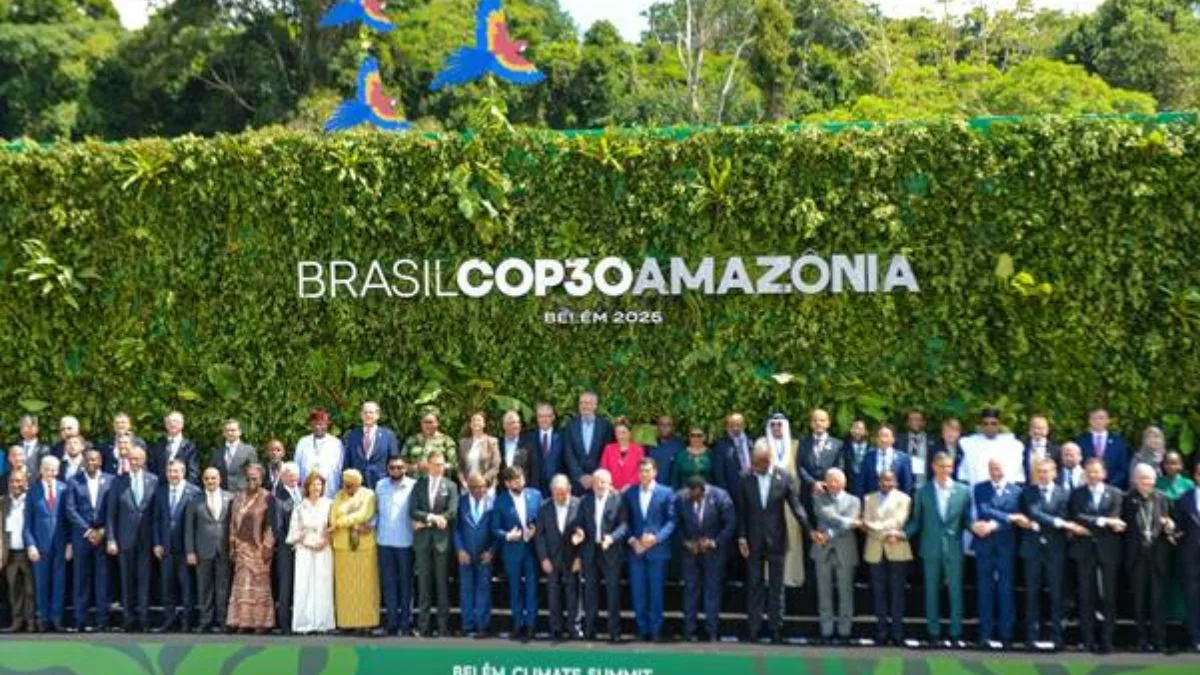
The COP Presidency, in a statement, announced the temporary closure of the venue to prevent the situation from turning uglier.

The report highlights the toll that extreme weather events, including heat waves, storms, and floods, have taken on vulnerable nations, including India.

UN climate summits like the annual Conference of the Parties (COPs) have historically laid predominant emphasis on reducing carbon emissions, increasing the capacities for renewable energy, and establishing finance mechanisms.
The global community is witnessing an alarming increase in frequency, intensity and scale of broken climate records, as the average global temperature is increasing at a rate of about 0.2 degrees Celsius per decade.