Fragmented climate responses won’t work
For much of the past three decades, climate change occupied a distinct corner of public policy.
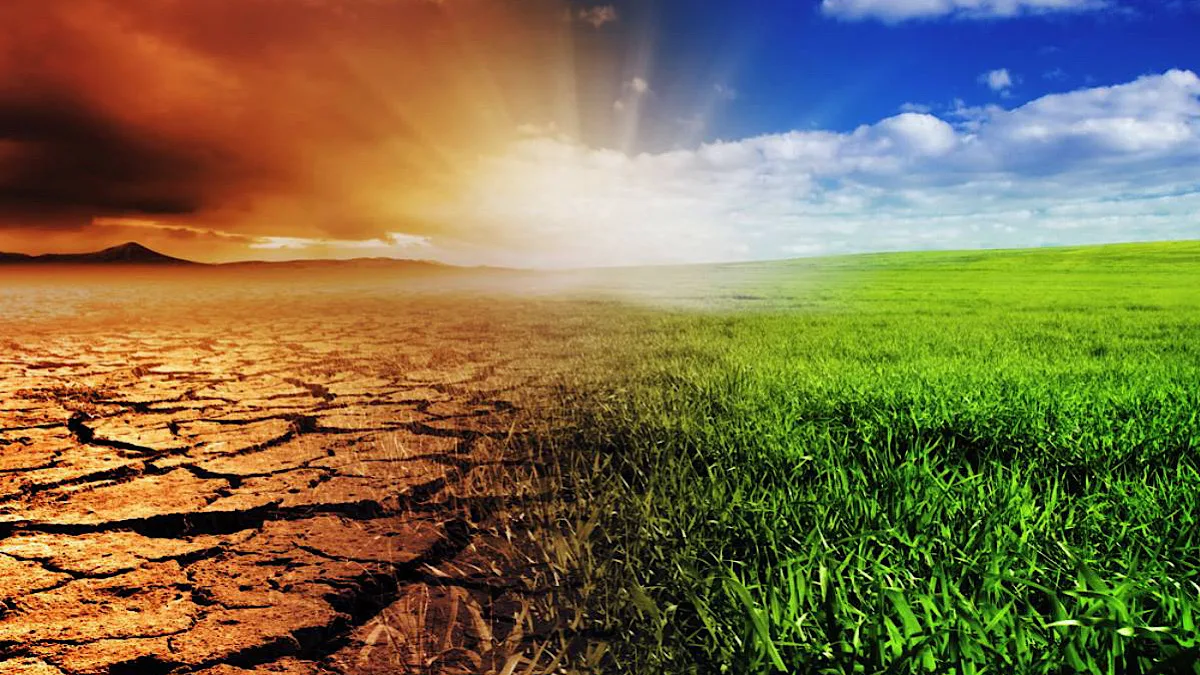
For much of the past three decades, climate change occupied a distinct corner of public policy.
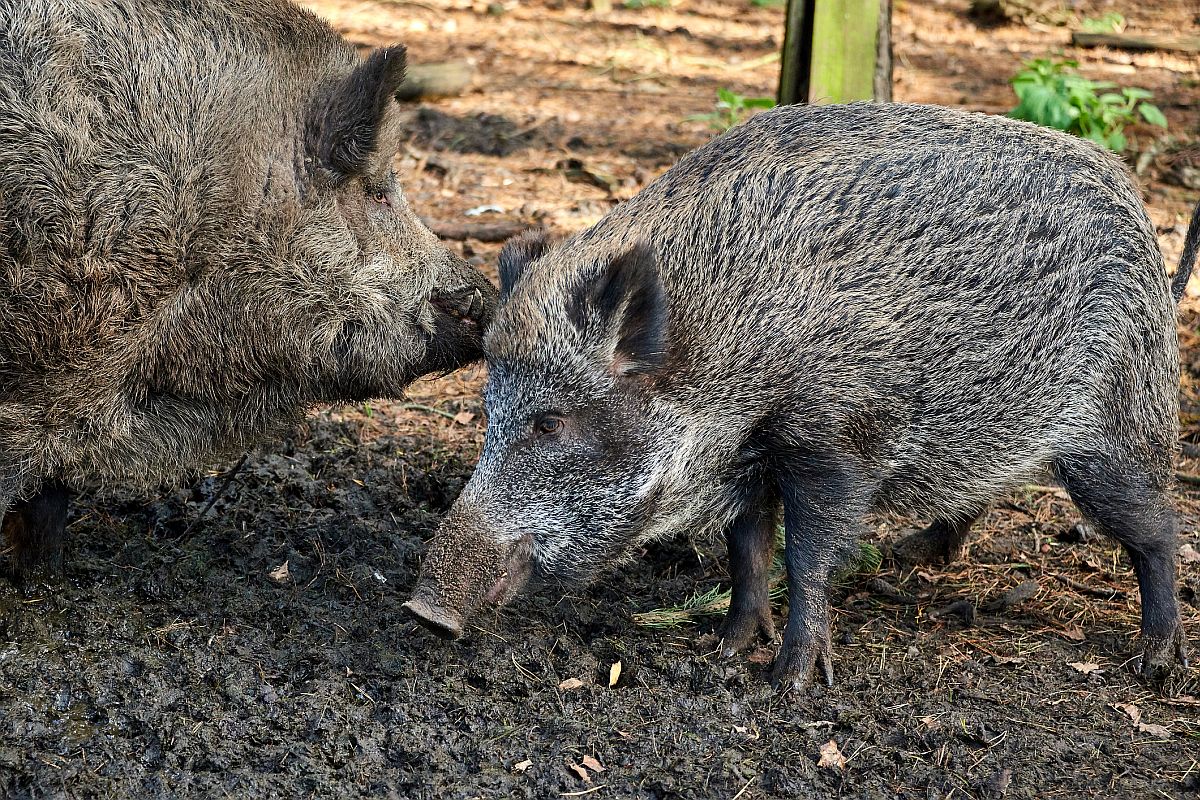
Wildlife experts deliberated on the decision to expand conservation efforts for Pygmy Hog, the smallest and rarest wild pig, at the national level and include them in India’s species recovery programme, according to officials from the Ministry of Environment, Forest and Climate Change.

Nearly 8 BCM lost in two weeks as reservoirs shrink, groundwater declines and river basins face mounting pressure before monsoon

The word ‘emergency’ evokes an intense sense of unease, often associated with the suspension of established norms and procedures in pursuit of a perceived larger objective. Different forms of emergencies command our attention in different ways.
The emphasis of modern environmental policy has been on prevention. Governments, international institutions and activists have rightly focused on reducing emissions, protecting ecosystems and slowing the pace of climate change.

The Biological Diversity (Amendment) Act, 2023, was enacted by Parliament with the passage of the Bill by the Lok Sabha on 25 July 2023 and the Rajya Sabha on 1 August 2023. MoEFCC notified the Biological Diversity Rules in 2024 and 2025.
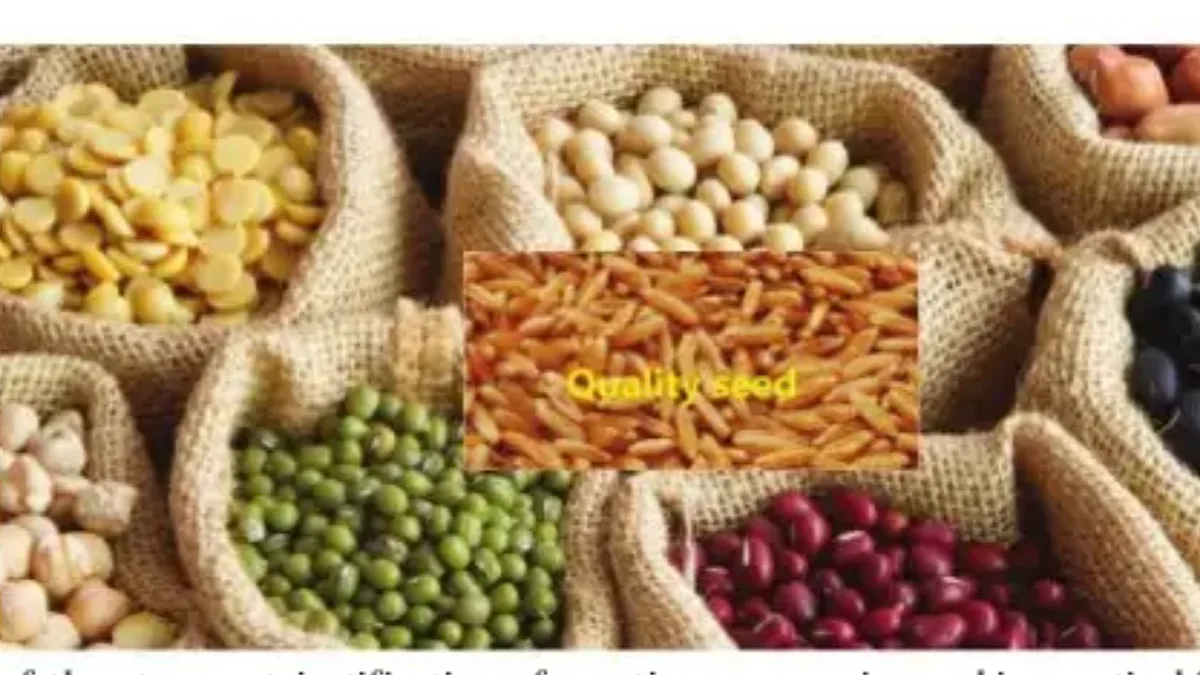
“Good seed is half the harvest” is an old agrarian saying that captures a timeless truth: the destiny of agriculture is decided long before the plough touches the soil.

The activist, wearing a skin-toned bodysuit stained with fake blood, was suspended from a hook next to mock carcasses of a pig and a goat.

Last year, Amitav Ghosh regaled his readers with a book of non-fiction comprising essays primarily focusing on environment and climate change and called it Wild Fictions.
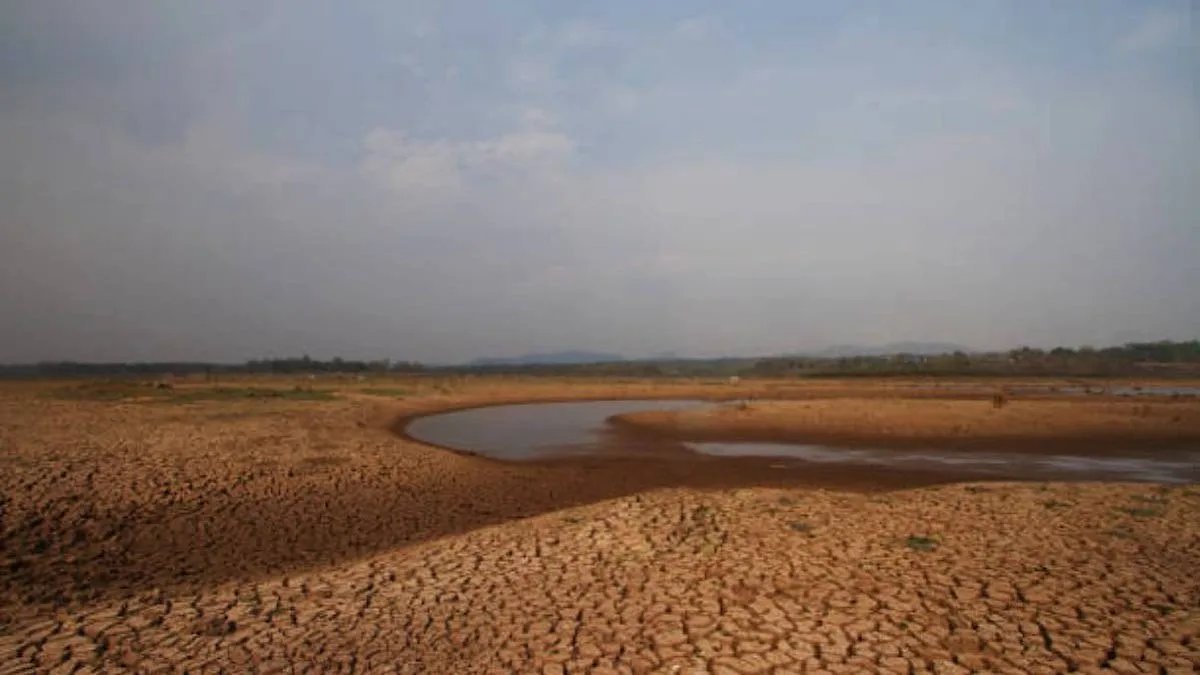
The climate upheavals of 2025 were a stark warning for India; it was the year when the frequency and severity of climate-related risk hazards were no longer aberrations but part of a new normal.