Fragmented climate responses won’t work
For much of the past three decades, climate change occupied a distinct corner of public policy.
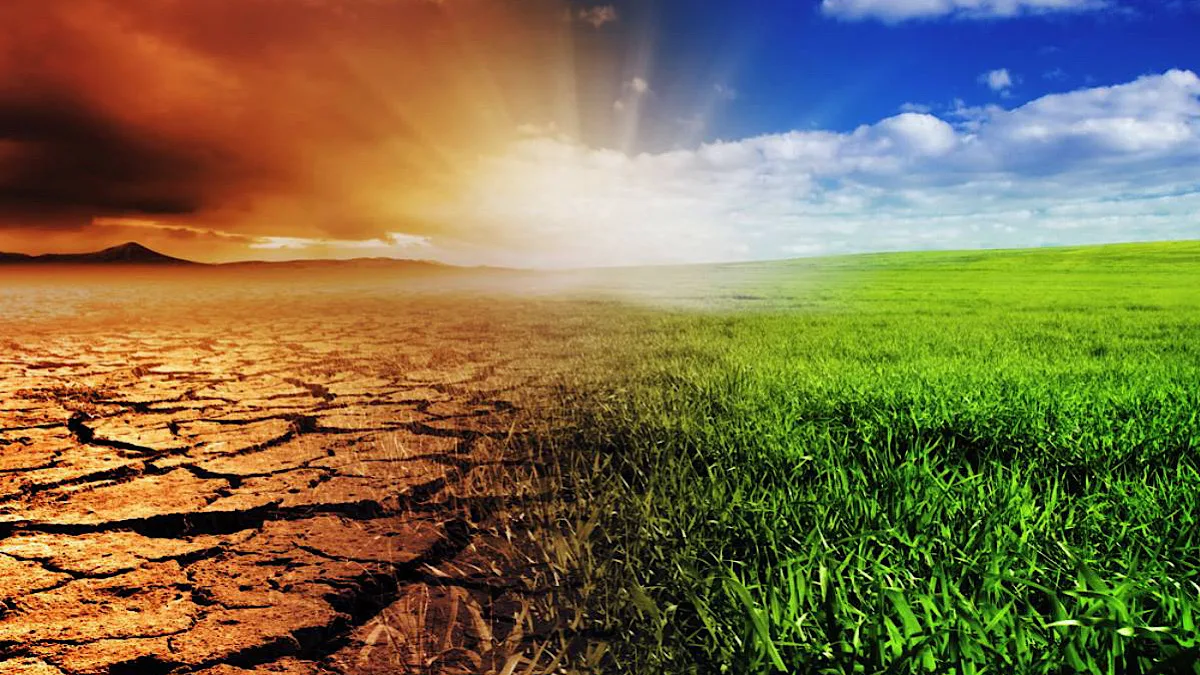
For much of the past three decades, climate change occupied a distinct corner of public policy.

Wildlife experts deliberated on the decision to expand conservation efforts for Pygmy Hog, the smallest and rarest wild pig, at the national level and include them in India’s species recovery programme, according to officials from the Ministry of Environment, Forest and Climate Change.

Nearly 8 BCM lost in two weeks as reservoirs shrink, groundwater declines and river basins face mounting pressure before monsoon

The word ‘emergency’ evokes an intense sense of unease, often associated with the suspension of established norms and procedures in pursuit of a perceived larger objective. Different forms of emergencies command our attention in different ways.
The emphasis of modern environmental policy has been on prevention. Governments, international institutions and activists have rightly focused on reducing emissions, protecting ecosystems and slowing the pace of climate change.
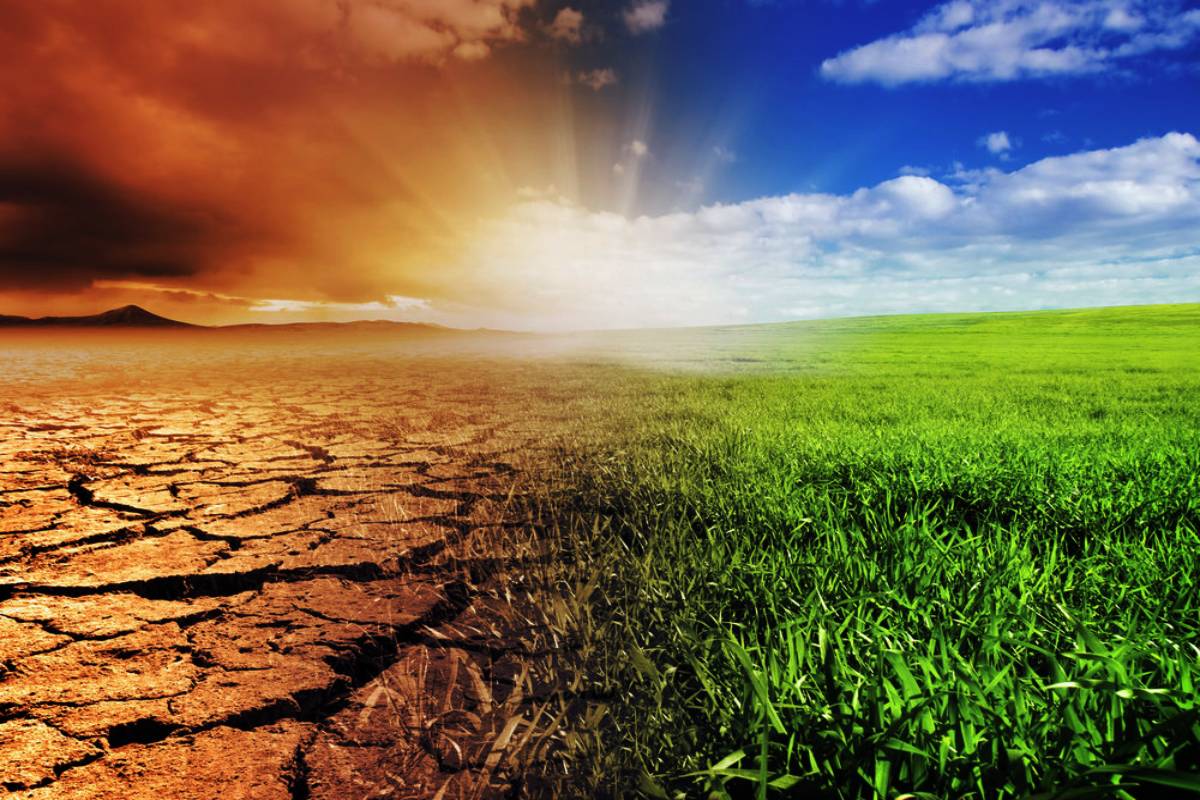
As the relentless march of climate change continues to reshape our world, the looming threat to residential property is becoming increasingly apparent.
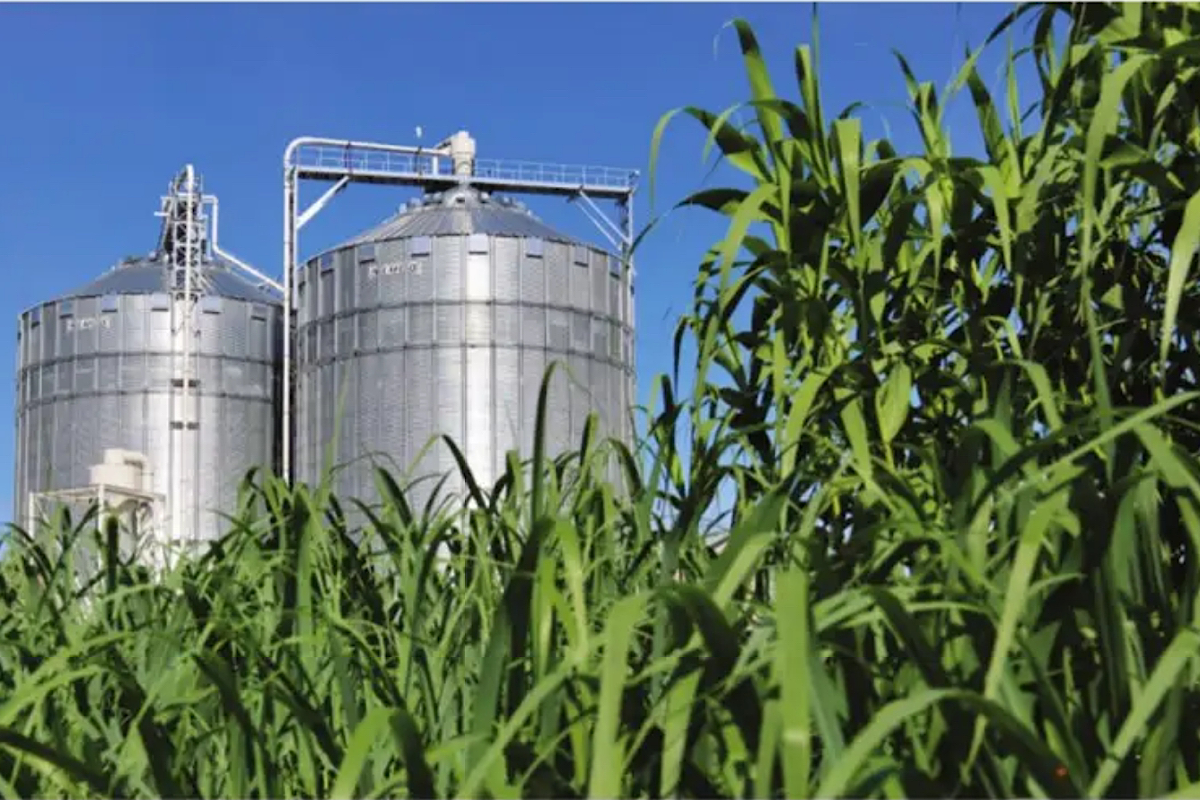
India is hugely dependent on petroleum imports (about 90 per cent of its requirements). India with a paradigm and planned shift from petroleum fuels can leverage biofuels and bio-based chemicals and polymers, which are nearly carbon neutral, offering the best way forward for energy security, and reducing imports of petroleum.
As Earth continues to spiral into a climate crisis, the recent revelation of March 2024 marking the 10th consecutive month of record-breaking heat should serve as an unignorable wake-up call.
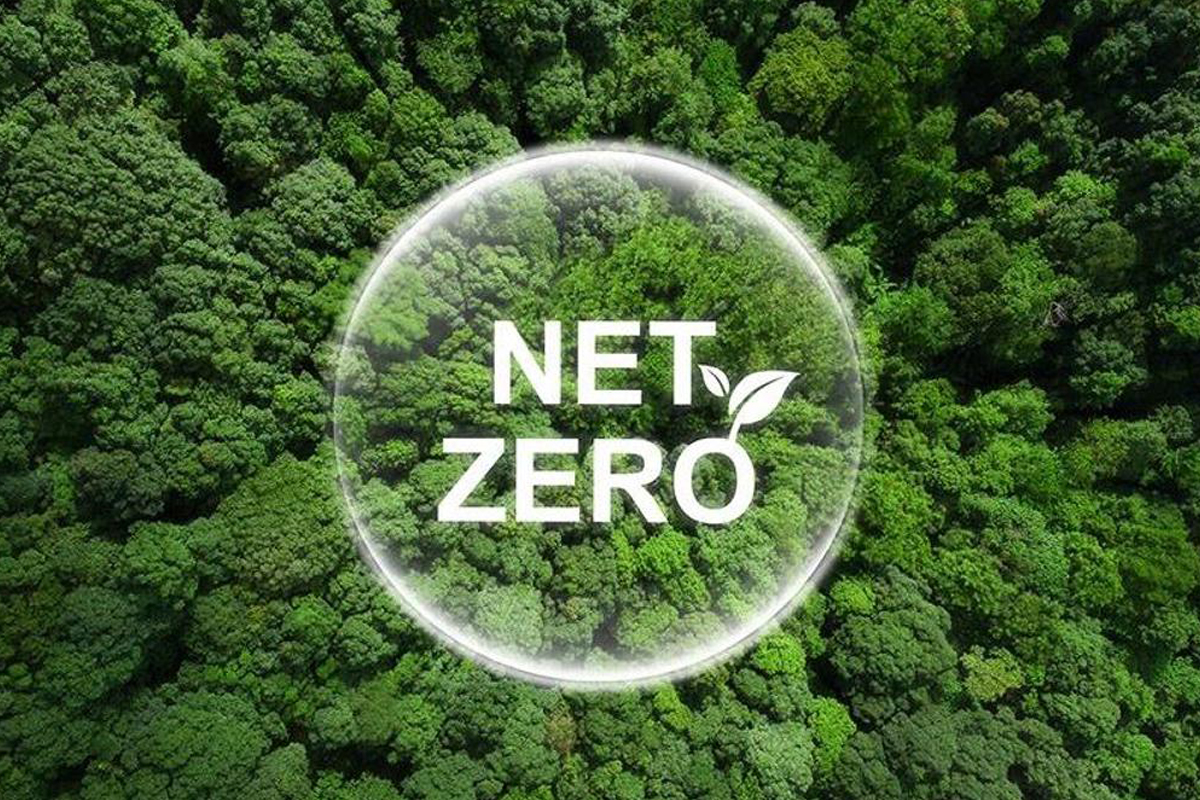
All these activities emit heat-trapping carbon dioxide into the air. Cattle, rice fields, landfills, and fossil fuel operations release methane—a more potent source.
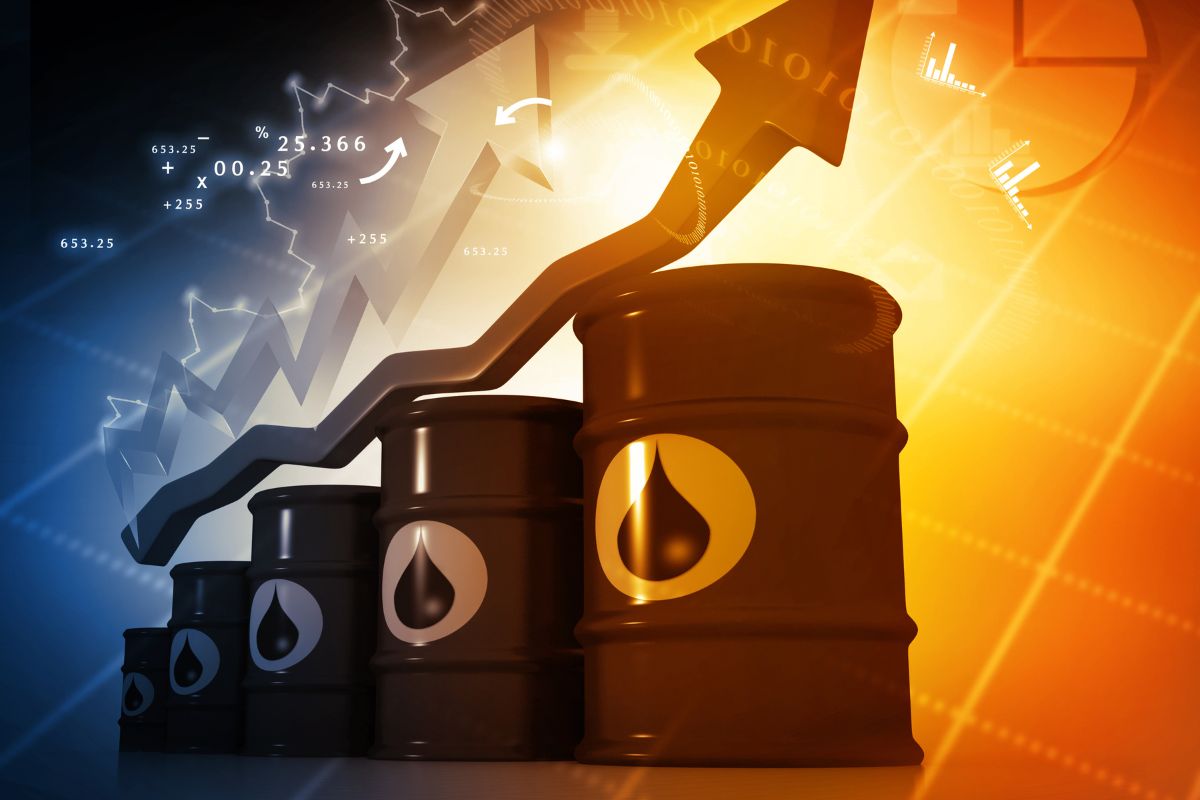
The transition away from fossil fuels, though not immediate or drastic, marks a turning point in climate negotiations. As we look back on the past 50 years, it becomes evident that the trajectory of our energy consumption is unsustainable.