The BNP’s victory
Mohammad Yunus formed the interim government after the July 2024 revolution and Prime Minister Sheikh Hasina’s escape to India.
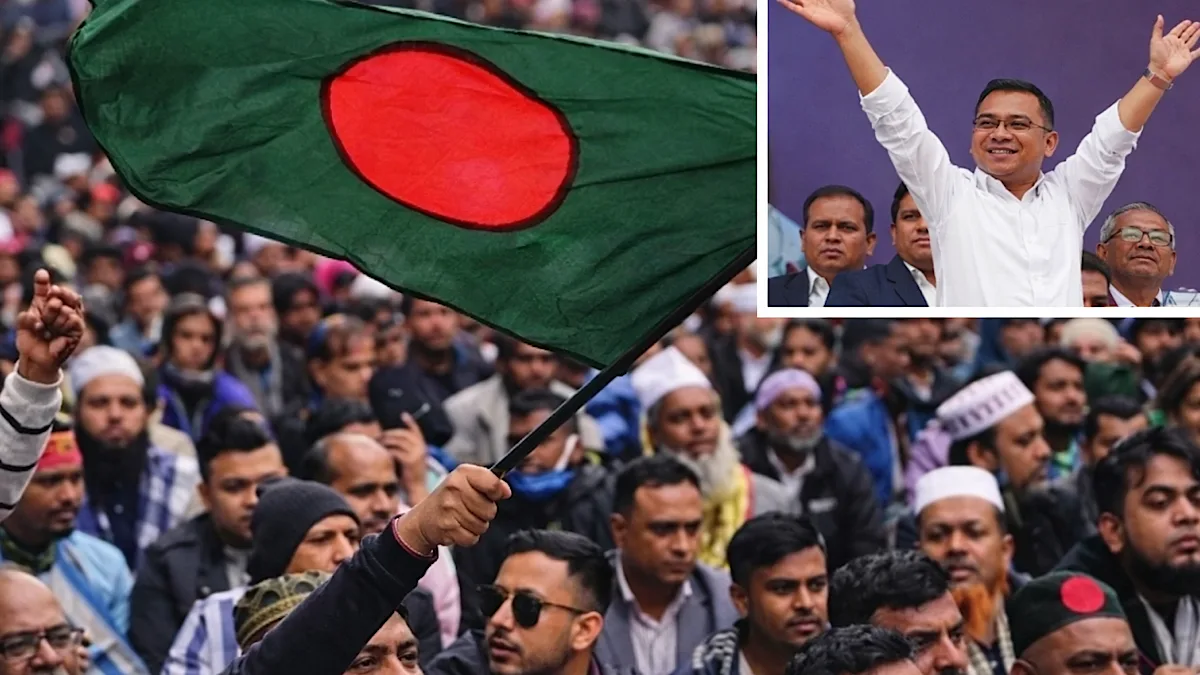
Mohammad Yunus formed the interim government after the July 2024 revolution and Prime Minister Sheikh Hasina’s escape to India.

.The transition from the interim government to the BNP take over has been smooth, free from any violence and allayed apprehensions of any political confrontation.

The ruling Bangladesh Nationalist Party (BNP) stayed away from any move to push a “reset button” on the 1972 Constitution through amendment, repeal attempt or referendum proposals floated during the Yunus administration.
In exchange for close security cooperation, improved connectivity and a broadly India-friendly strategic posture, Delhi offered political backing that often looked like indulgence.

For Indian policymakers, the real challenge in resetting ties with Dhaka is not one of intent but of calibration, understanding what is politically feasible in Bangladesh's new landscape, and what is not.
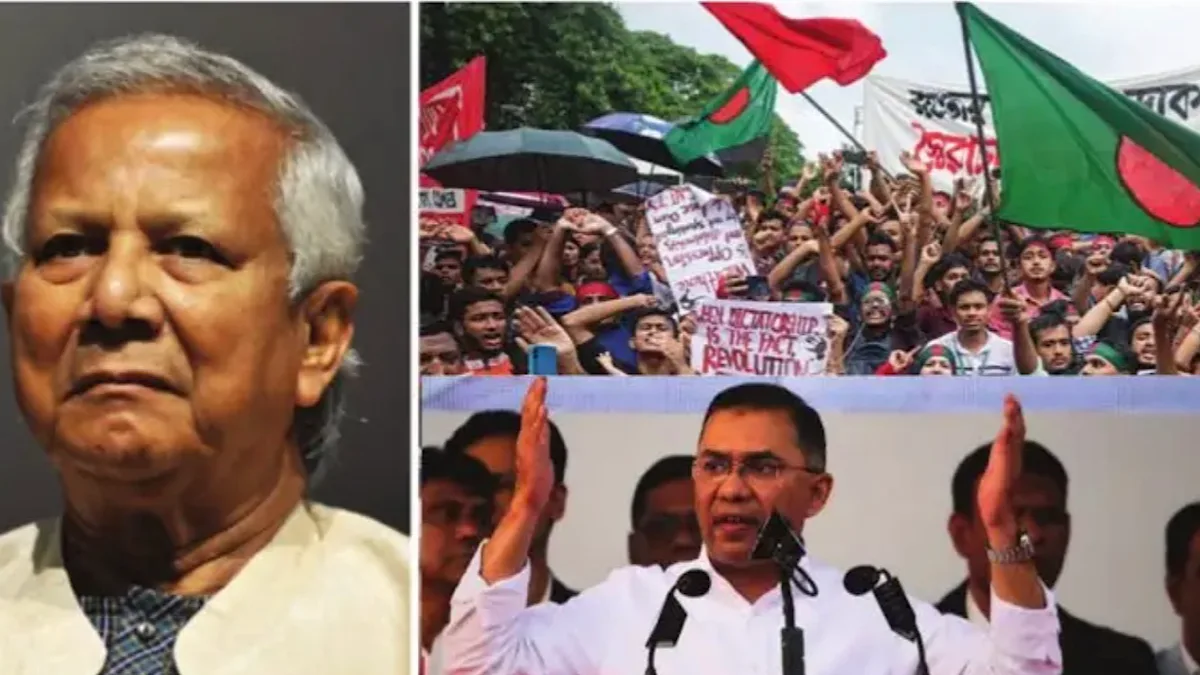
Building a winning electoral narrative involves selectively emphasizing past events to create a compelling and politically useful interpretation of reality.
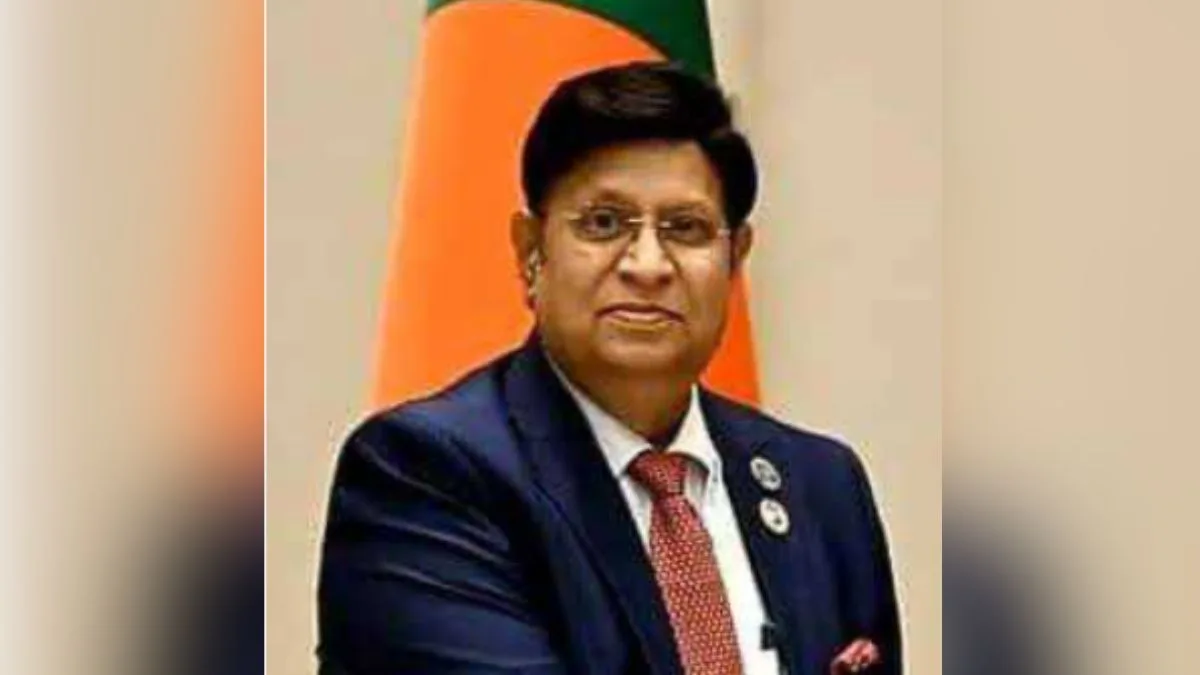
In an exclusive interview to the United News of India, Prof AK Abdul Momen, who served as Bangladesh’s foreign minister from 2019-2024, said that the Bangladesh-Pakistan-China axis building up could prove deeply destabilising, not just for Dhaka, but for the wider South and South East Asia
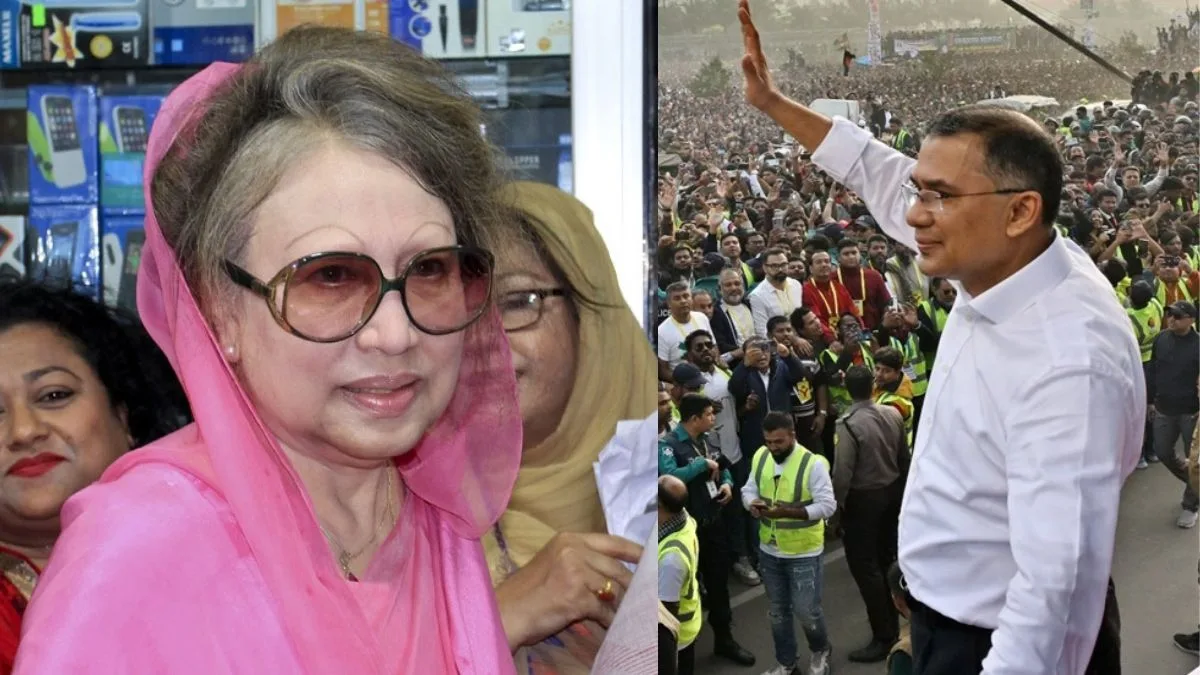
Her political career was moulded by military rule, mass movements, electoral politics and prolonged legal and political standoffs
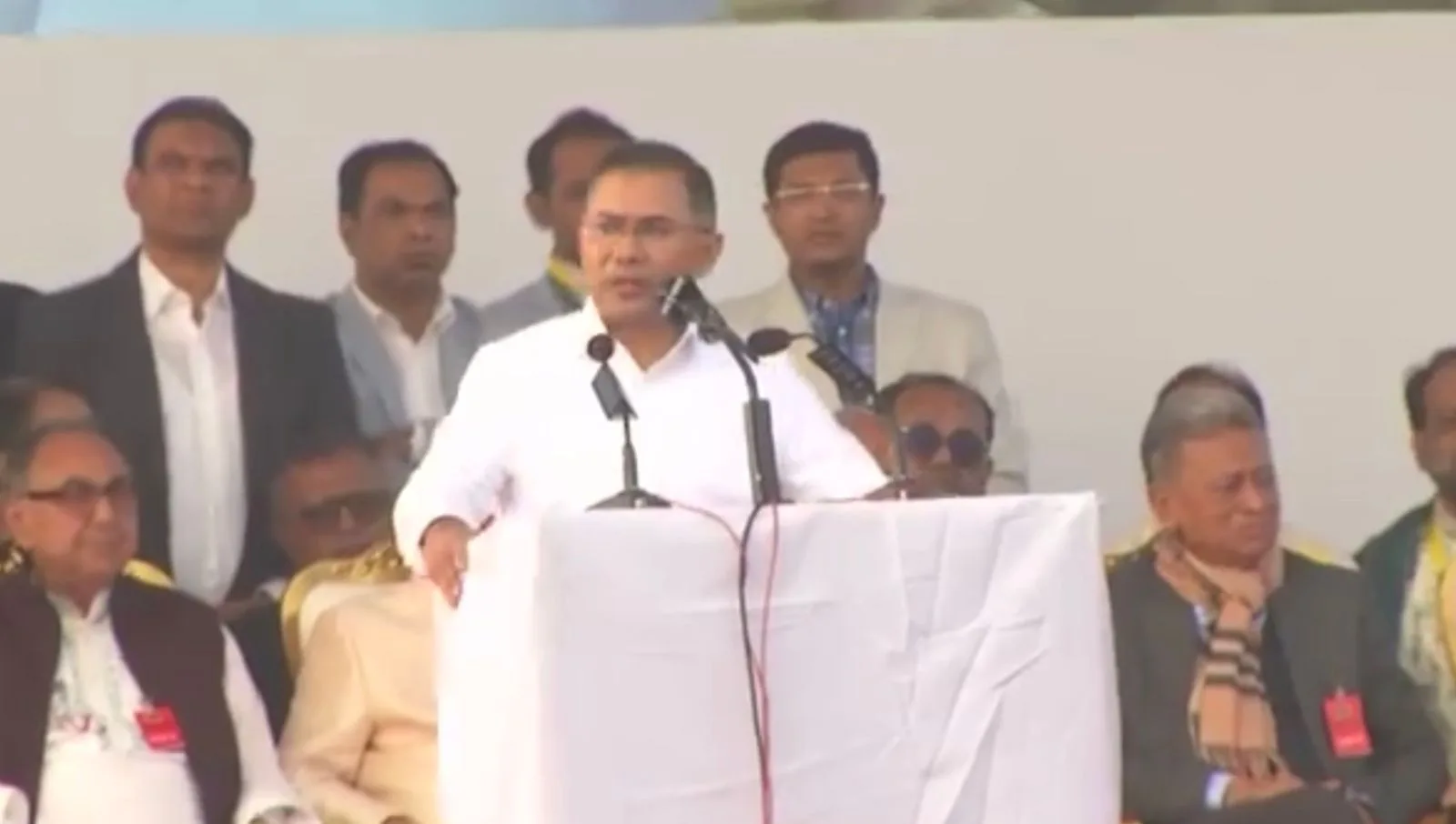
His remarks hold significance as they come amid the ongoing violence against Hindus and other minority communities in the country.
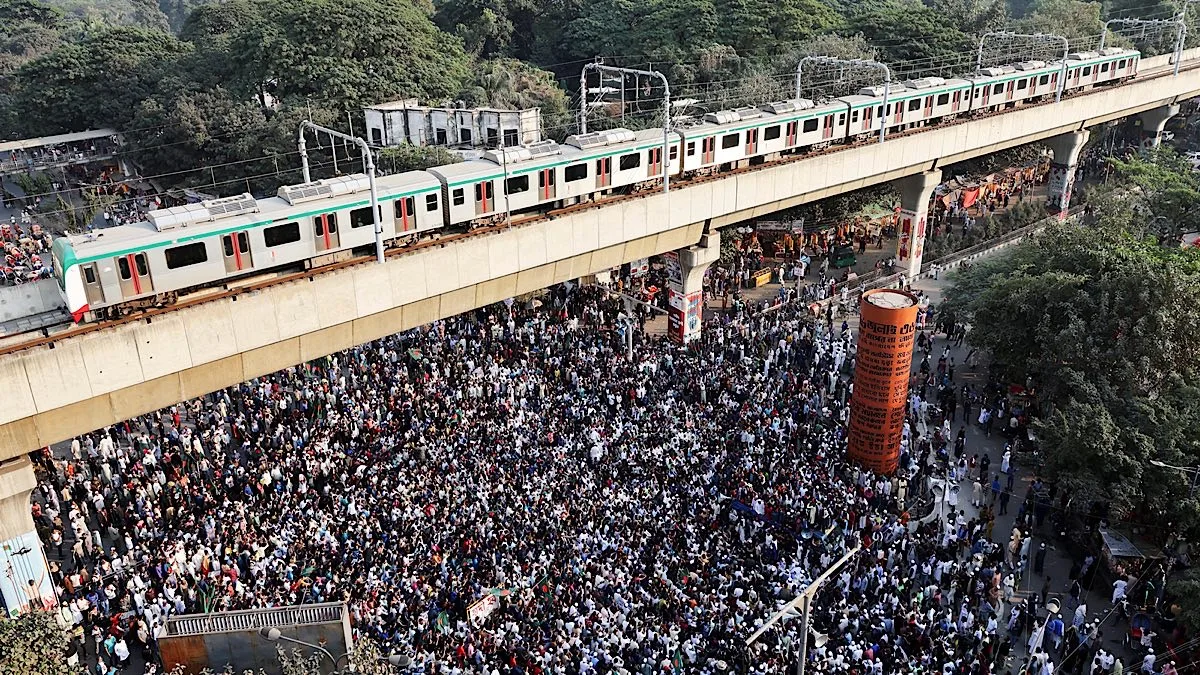
The Bangladesh Nationalist Party (BNP) claims that the recent unrest, including attacks on newspaper offices and other establishments, is a conspiracy to destabilise the upcoming national election scheduled for February 2026, BD News reported.