The BNP’s victory
Mohammad Yunus formed the interim government after the July 2024 revolution and Prime Minister Sheikh Hasina’s escape to India.
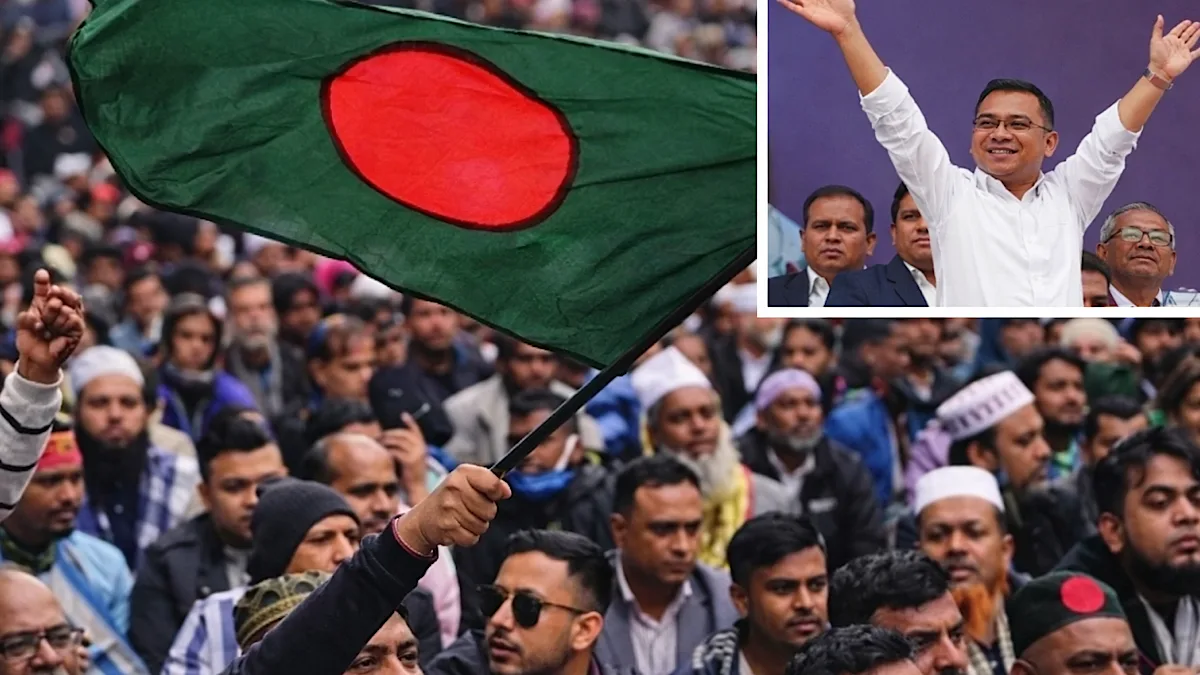
Mohammad Yunus formed the interim government after the July 2024 revolution and Prime Minister Sheikh Hasina’s escape to India.

.The transition from the interim government to the BNP take over has been smooth, free from any violence and allayed apprehensions of any political confrontation.

The ruling Bangladesh Nationalist Party (BNP) stayed away from any move to push a “reset button” on the 1972 Constitution through amendment, repeal attempt or referendum proposals floated during the Yunus administration.
In exchange for close security cooperation, improved connectivity and a broadly India-friendly strategic posture, Delhi offered political backing that often looked like indulgence.

For Indian policymakers, the real challenge in resetting ties with Dhaka is not one of intent but of calibration, understanding what is politically feasible in Bangladesh's new landscape, and what is not.

As the detailed preparations for the much-awaited general election in Bangladesh fructified without any untoward ado last Thursday, and the results the next day showed the Bangladesh Nationalist Party (BNP, led by Tarique Rahman) had established a landslide victory, the people of North-East India now expect a stable, progressive and friendly regime in Dhaka.
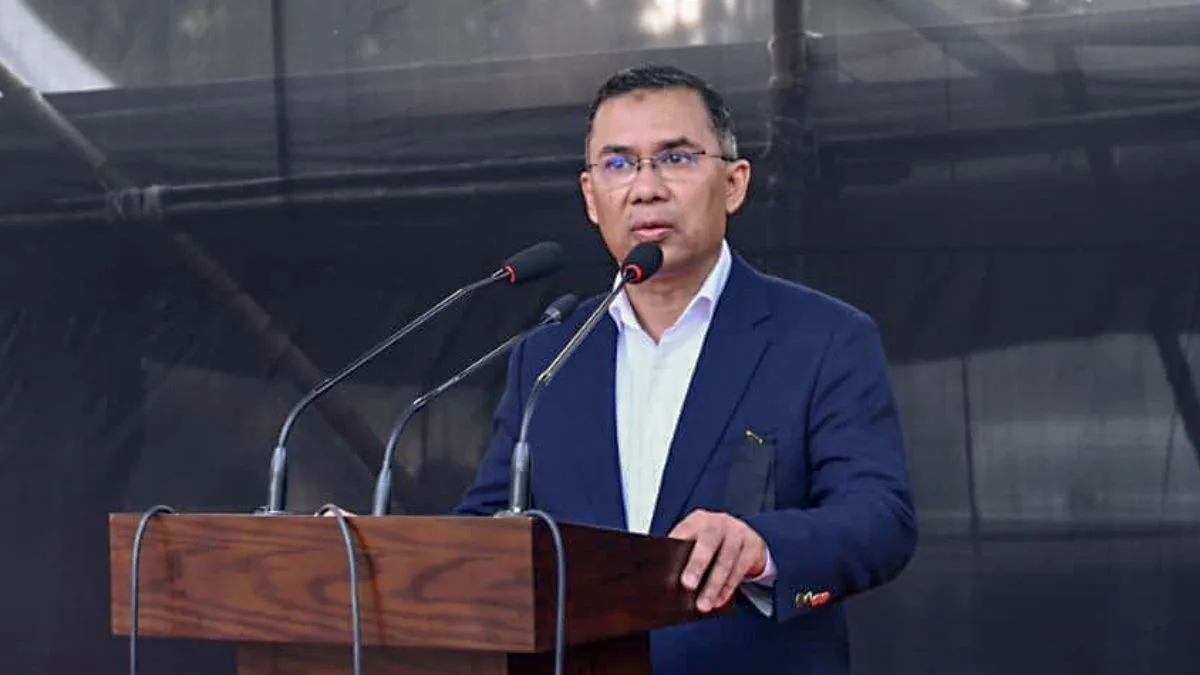
Two decades after being scrutinised in international correspondence, Tarique Rahman now stands at the centre of Bangladesh’s political transition.
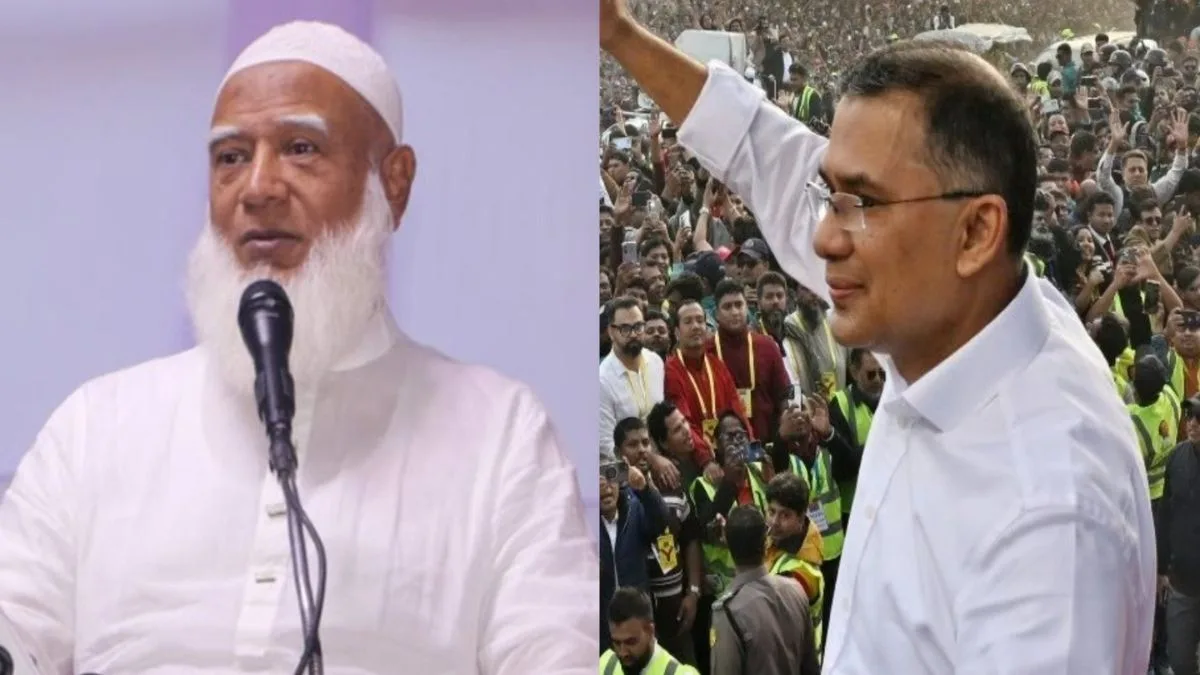
Polls closed in Bangladesh on Thursday in a direct contest between Tarique Rahman's Bangladesh Nationalist Party (BNP) and an 11-party alliance led by the resurgent Jamaat-e-Islami, after voting centers shut their gates at 4.30 pm.

Bangladesh National Elections 2026: Over 12.77 crore eligible voters will elect representatives for 299 of the 300 parliamentary seats, with one seat postponed following a candidate's death.
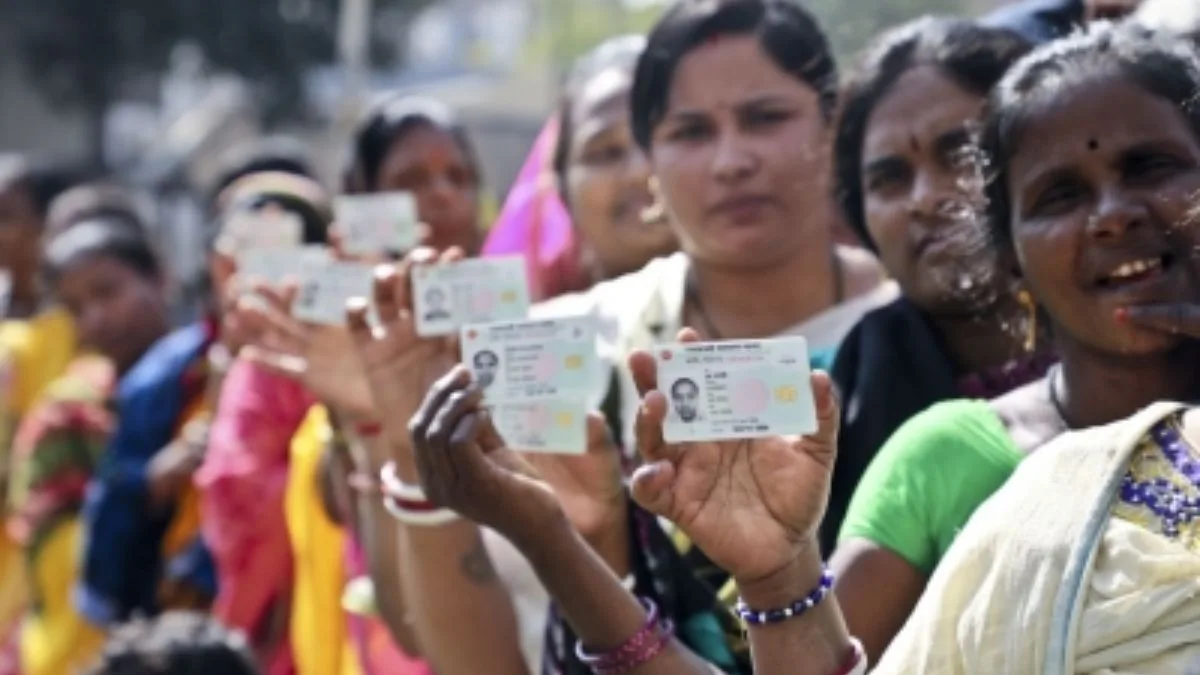
Bangladesh’s tryst with elections slated for Thursday is not merely a test for the South Asian nation’s democratic will, but also a test of how things will evolve on the larger South Asian canvas.