Rain brings relief in Delhi; AQI in moderate category
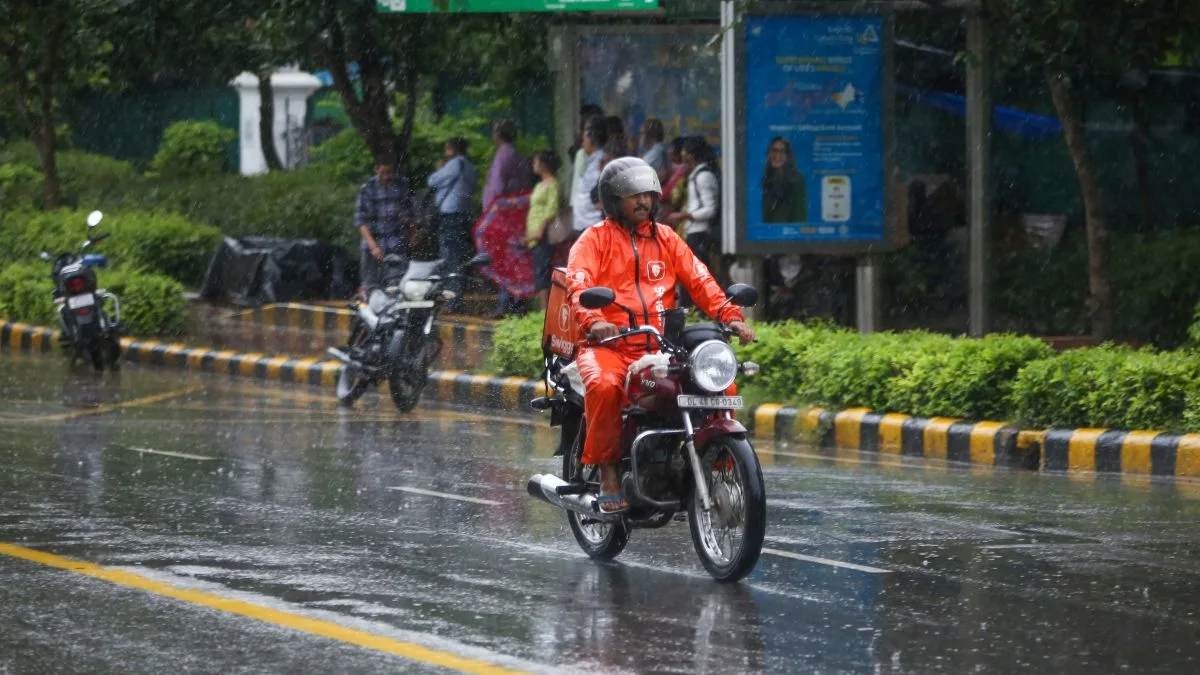
Residents of Delhi woke up to widespread rainfall on Monday morning, offering relief from the recent spell of intense heat.
Residents of Delhi are currently experiencing noticeable relief from the intense heatwave that gripped the city in April.
Delhi witnessed a notable improvement in air quality on Tuesday, with the Air Quality Index (AQI) falling into the 'satisfactory' and 'moderate' categories across several monitoring stations.
While efforts to mitigate the severity of the air pollution in the Delhi-NCR have been taken over the years consistently, of late there has been a steady increase in the number of good air days with a decline in the registered 'poor' to 'very poor', and 'severe' to 'severe (+) category air days, according to Dr SD Attri, an expert on the subject.
The strong winds that have been blowing for the past several days have had a positive impact on the air quality in Delhi-National Capital Region (NCR).
National capital's average air quality index (AQI) level continued to reel under the 'very poor' category today with a reading of 386, Central Pollution Control Board (CPCB) daily bulletin said.
For those of us who live in Delhi-NCR, every winter is now déjà vu wrapped in smog; except it is no t imagined but real. The script is also to o familiar and almost normalised by now; AQI indices spike, schools close, flights circle, and the usual cast of villains takes the stage - stubble burning, diesel trucks, firecrackers and unhelpful winds.
A Bench of Justice Pamidighantam Sri Narasimha and Justice Atul S. Chandurkar said, “Situation is very very serious! Why are you all appearing here? We have the virtual hearing facility. Please avail it. This pollution will cause permanent damage.”
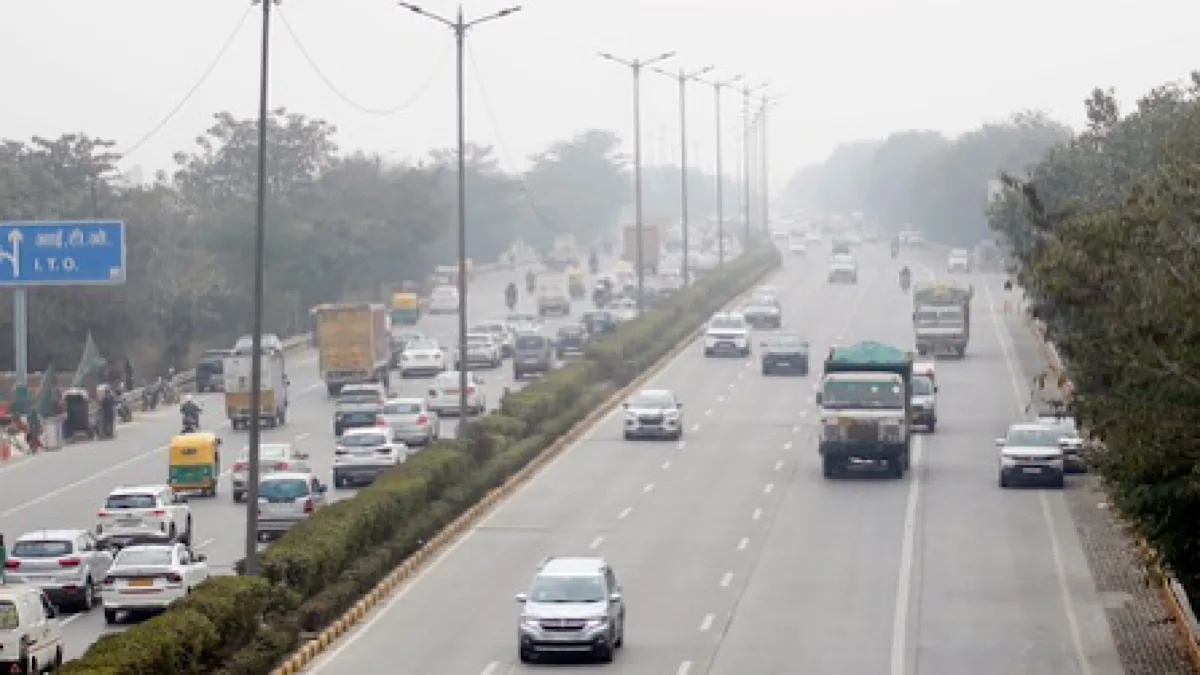
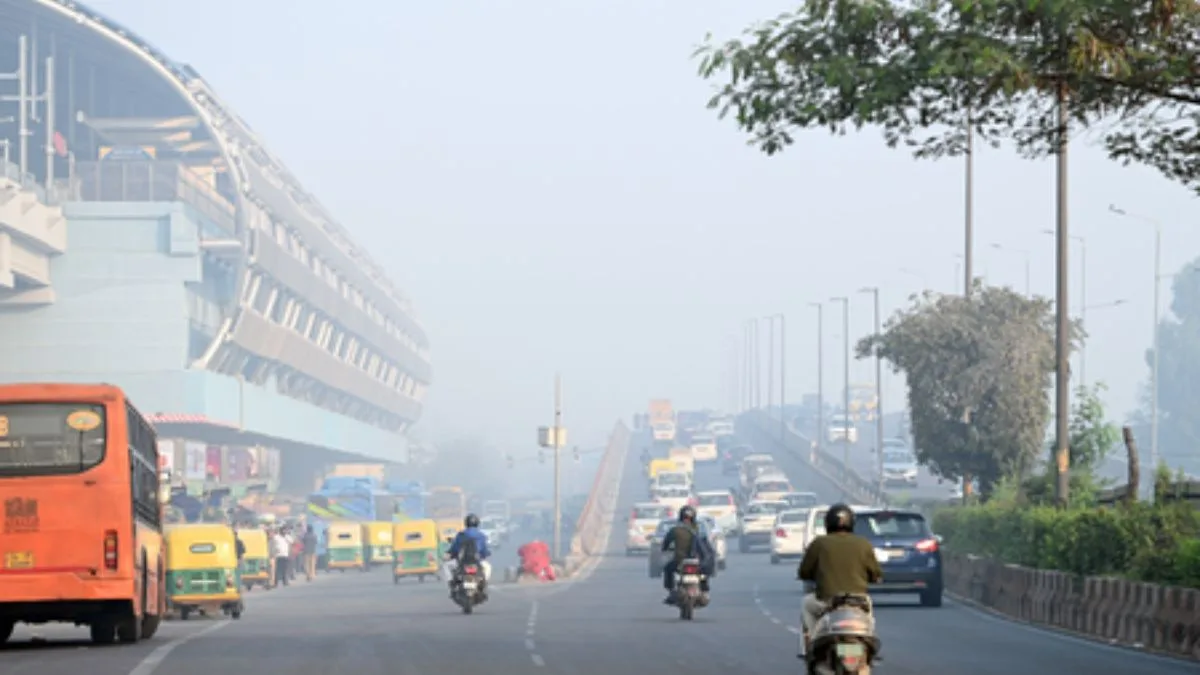
Delhi woke up to thick smog on Thursday as air quality slipped deep into the ‘Severe’ zone. From Daryaganj and Chandni Chowk to Anand Vihar and Bawana, visibility dropped sharply as AQI crossed 450 in several areas, raising health concerns for commuters.
While Delhi’s 24-hour rolling average AQI data was unavailable on the Central Pollution Control Board (CPCB) website, the Sameer app showed a reading of 418 at 6 p.m., placing it firmly in the ‘severe’ range.