Rain brings relief in Delhi; AQI in moderate category
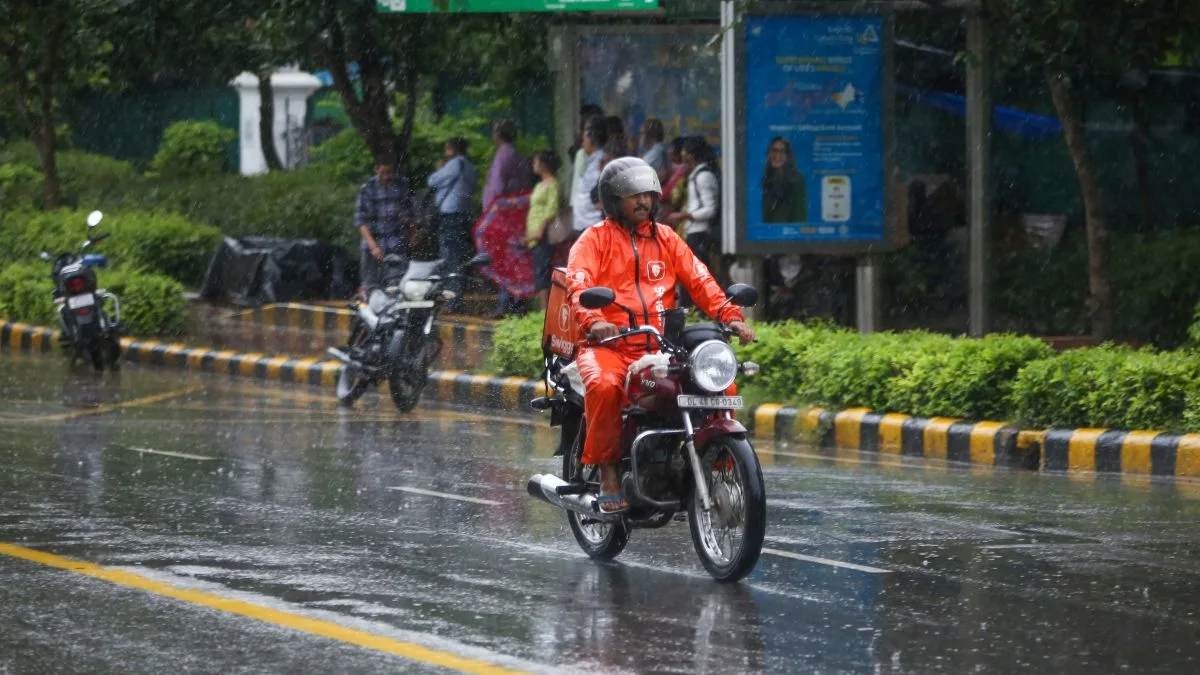
Residents of Delhi woke up to widespread rainfall on Monday morning, offering relief from the recent spell of intense heat.
Residents of Delhi are currently experiencing noticeable relief from the intense heatwave that gripped the city in April.
Delhi witnessed a notable improvement in air quality on Tuesday, with the Air Quality Index (AQI) falling into the 'satisfactory' and 'moderate' categories across several monitoring stations.
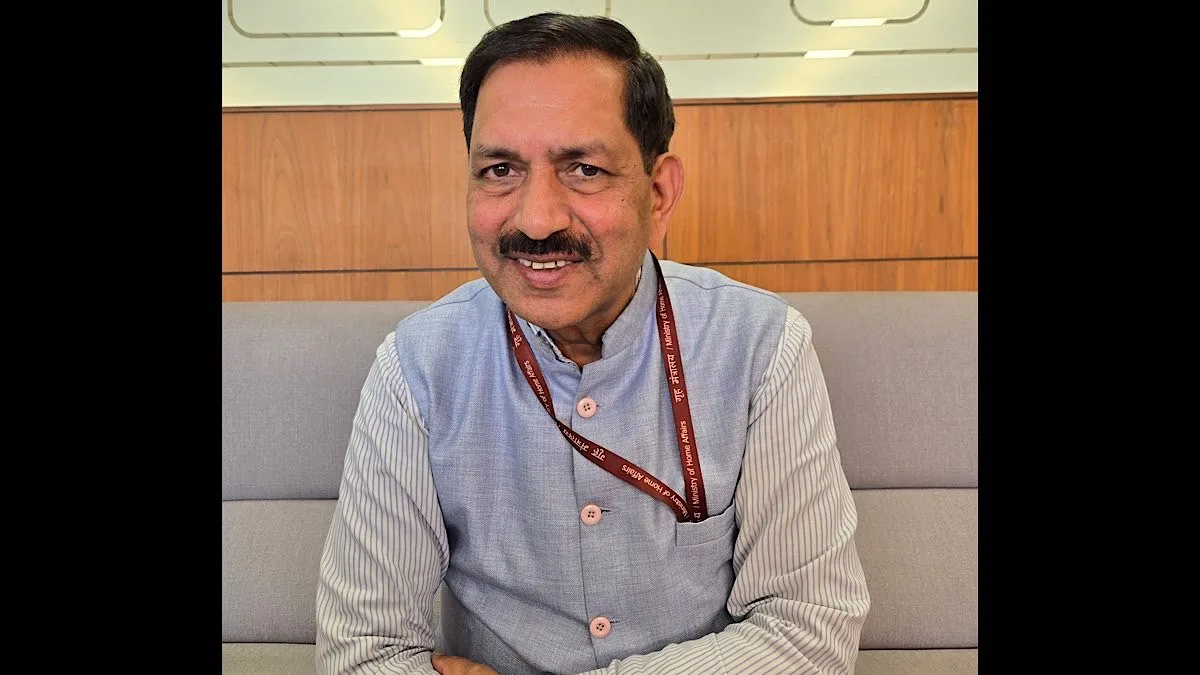
While efforts to mitigate the severity of the air pollution in the Delhi-NCR have been taken over the years consistently, of late there has been a steady increase in the number of good air days with a decline in the registered 'poor' to 'very poor', and 'severe' to 'severe (+) category air days, according to Dr SD Attri, an expert on the subject.
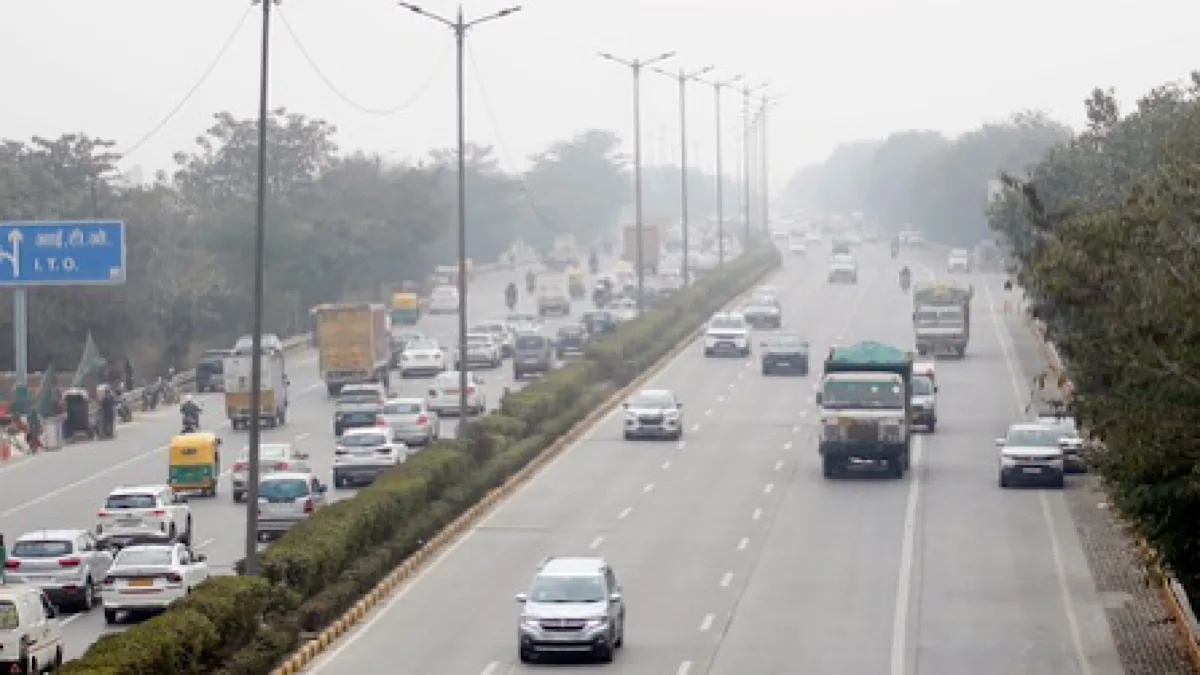
The strong winds that have been blowing for the past several days have had a positive impact on the air quality in Delhi-National Capital Region (NCR).
As Delhi enforces GRAP-IV amid very poor air quality, fuel denial for vehicles without PUC, entry restrictions and construction bans have come into force across the capital.
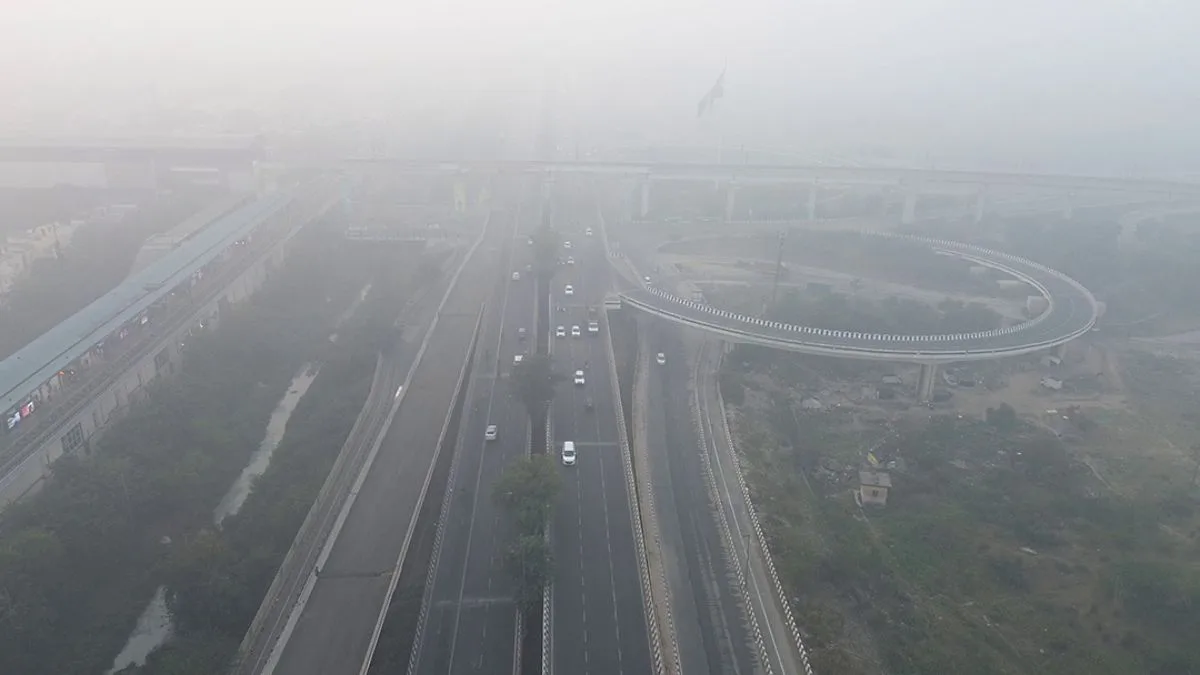
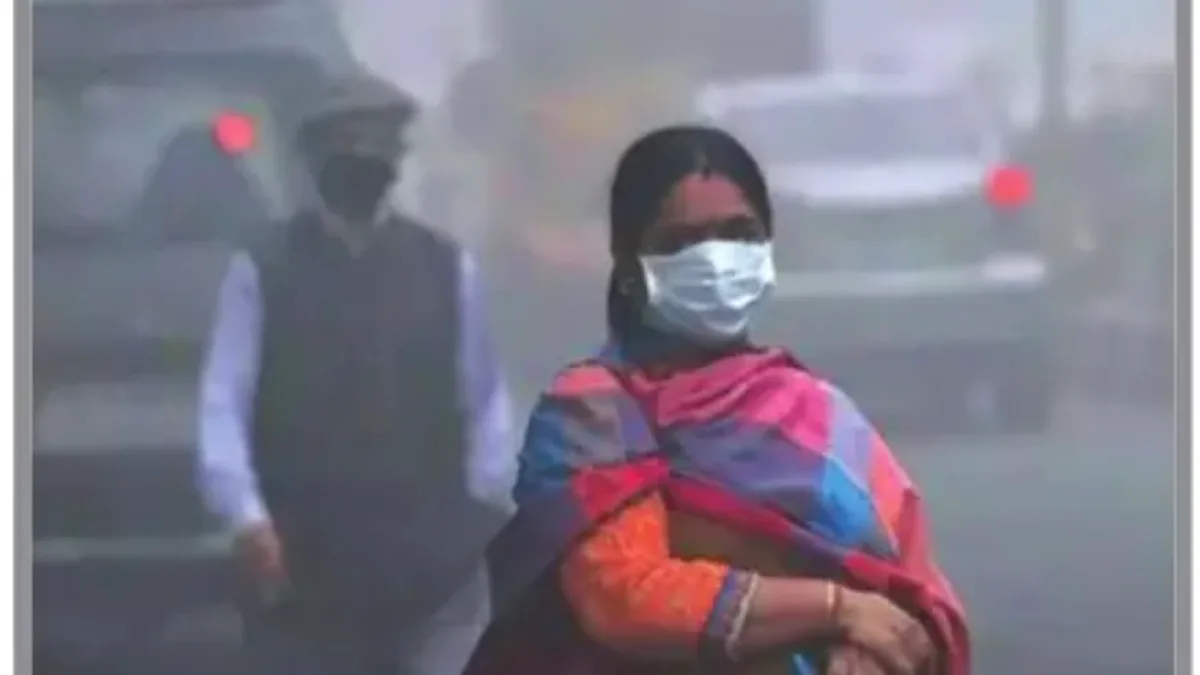
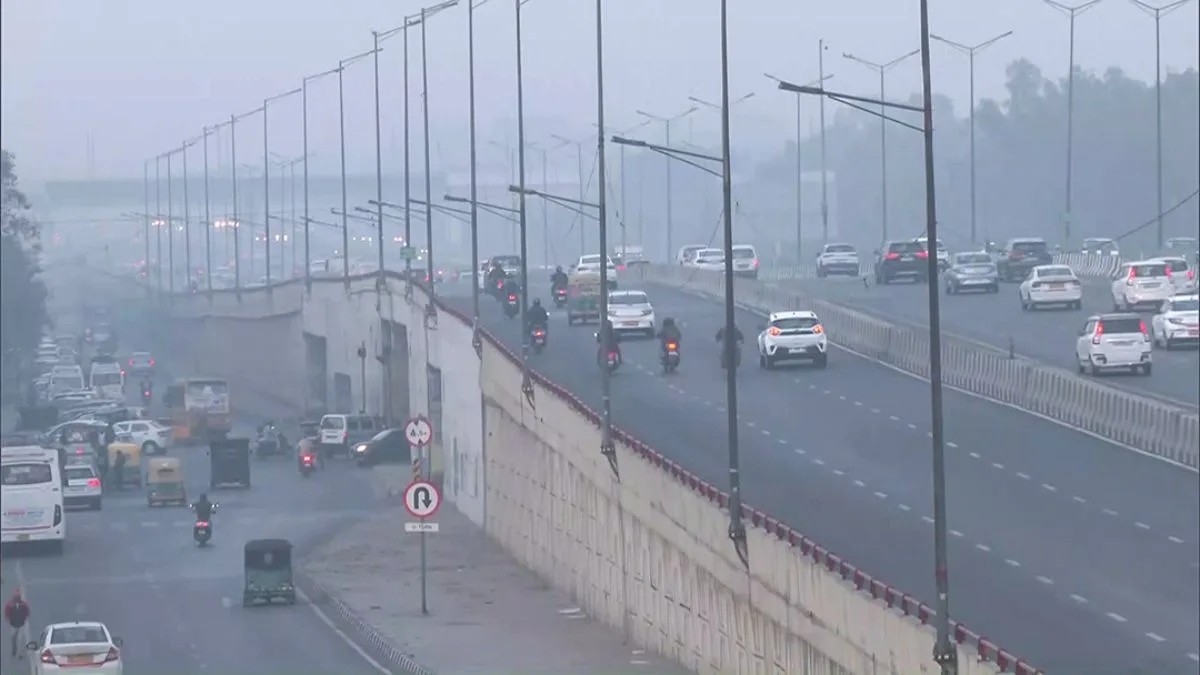
Large parts of the capital were blanketed by a dense layer of toxic smog, significantly reducing visibility and causing discomfort for residents. RK Puram was shrouded in thick smog, with an AQI of 374, placing it in the 'very poor' category, according to CPCB.
It is with great pleasure I would like to announce that I am now a father. Both mother and child are fine. Thank you to anyone who sends their blessings and keeps us in their prayers.
Chilly winds carrying an acrid smell of pollutants persisted through the day as the city’s air quality deteriorated, with the maximum temperature settling at 23.5°C, 1.8°C below normal.
Despite recent policy interventions and technological improvements, top urban centres continue to face serious air-quality challenges, highlighting the need for more aggressive pollution-control strategies, sustained enforcement measures, and long-term urban planning reforms.