Arbitration needs stronger teeth
Ever since the Modi government assumed control of the national government, the country's alternative dispute resolution (ADR) ecosystem has been undergoing changes and adjustments.

Ever since the Modi government assumed control of the national government, the country's alternative dispute resolution (ADR) ecosystem has been undergoing changes and adjustments.
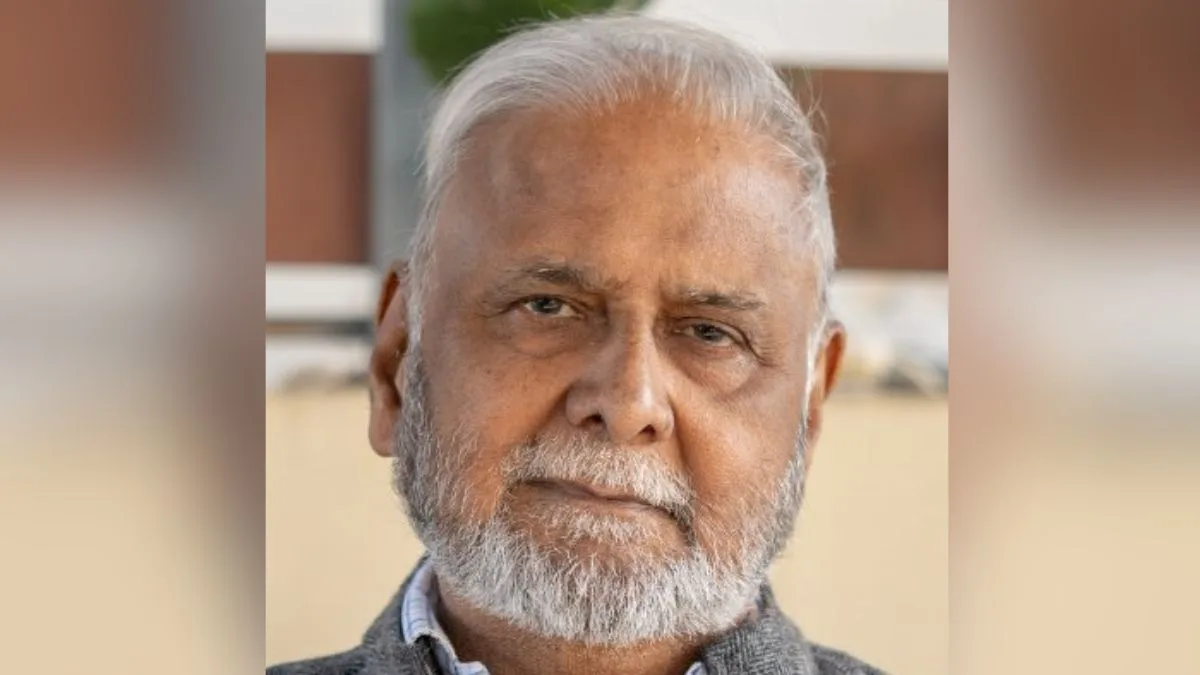
His passing is a loss not just for the legal and activist communities but for the very fabric of Indian democracy he worked so tirelessly to mend.

The Election Commission has filed affidavit in the Supreme Court saying the list of names and details of 65 lakh electors in Bihar who were not included in the draft roll published on August 1 had been posted on the websites of all 38 District Electoral Officers in the state.

The Election Commission of India (ECI) has refuted questions raised by Congress leader Rahul Gandhi. Earlier, on June 12, the ECI had written a letter to Gandhi, referencing an article published in a leading media outlet dated June 7, 2025.

In its reply, the poll panel had argued that it excluded Aadhaar and Ration cards from the list of verification documents as they can be acquired through fraudulent means.

ADR contends that the move contravenes the Representation of the People Act, 1950, and Rule 21A of the Registration of Electors Rules, 1960.

Arbitration as an alternate method of resolving disputes is not new in India. Before and after the Arbitration and Conciliation Act, 1996 was amended, there were a few private-sector arbitration organisations operating in various states.
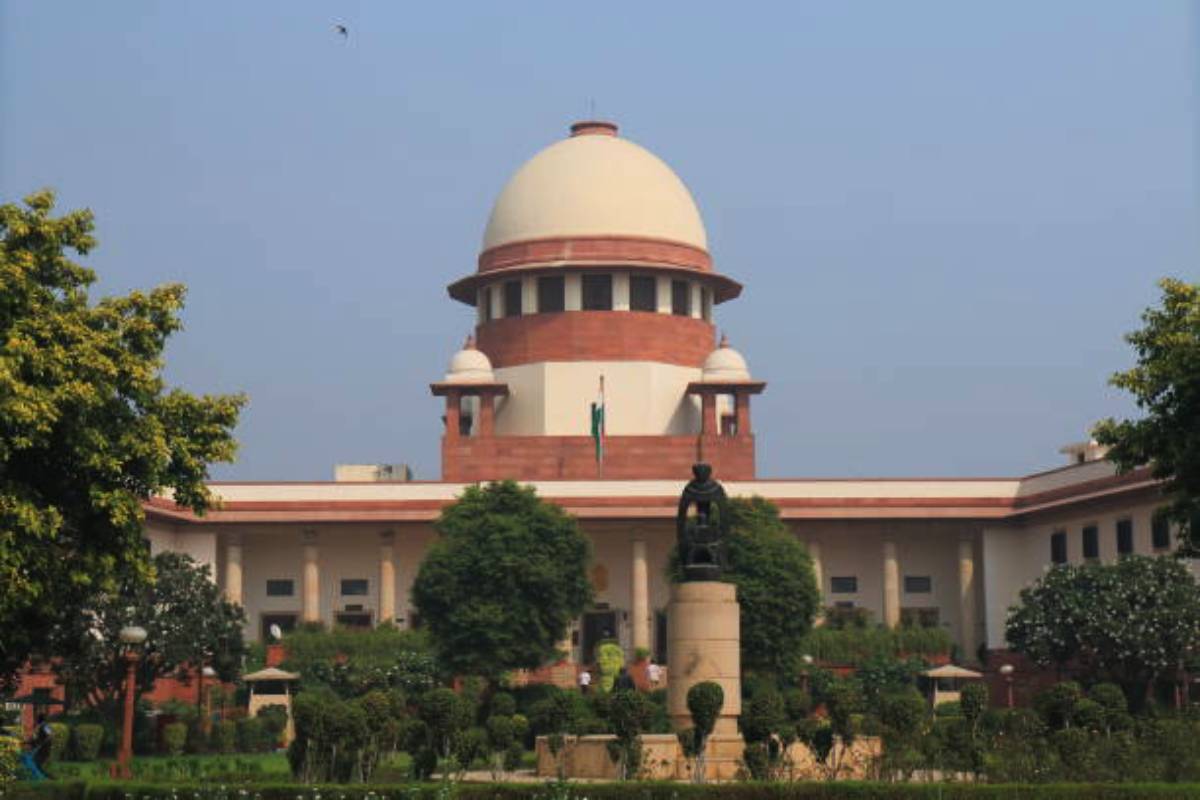
The Supreme Court on Tuesday asked the Election Commission of India (ECI) to examine the plea seeking disclosure of final authenticated voter turnout data for all polling stations within 48 hours of polling.
Nine out of the 90 winning MLAs in the Jammu and Kashmir assembly have declared criminal cases against themselves, the Association for Democratic Reforms (ADR) said in its report on Thursday.
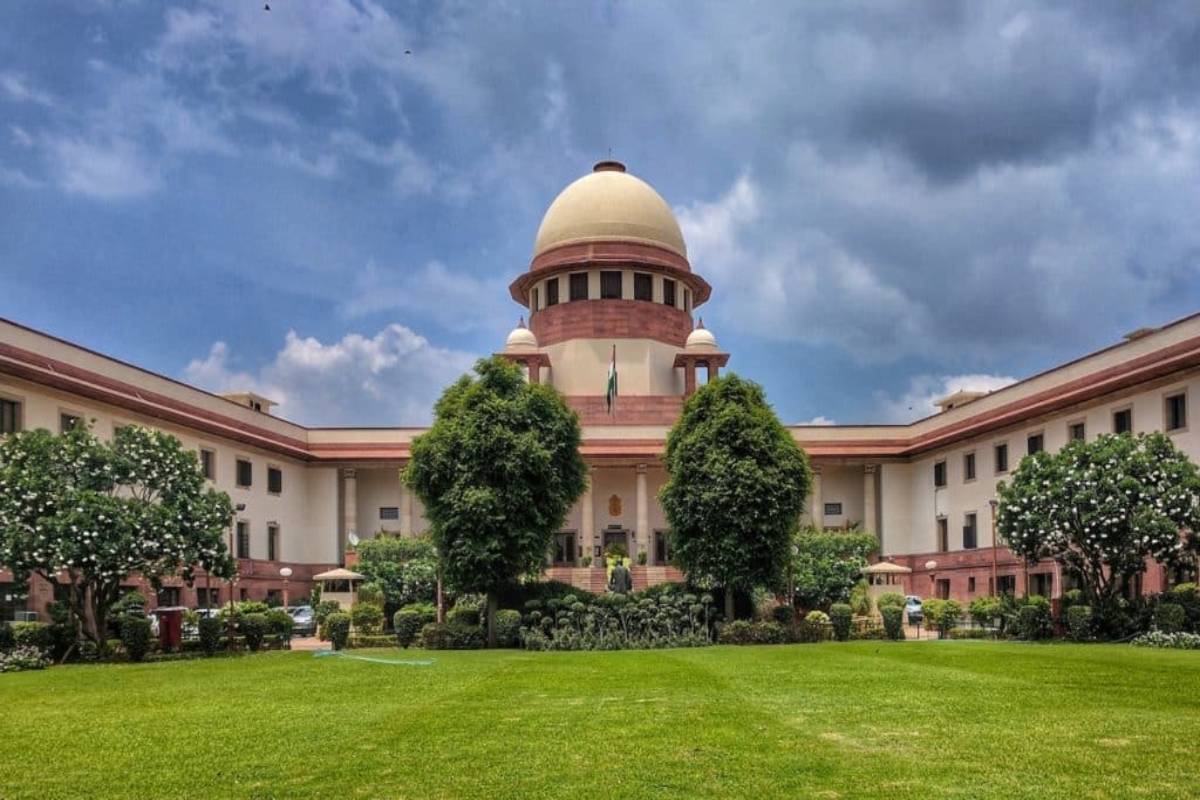
I n a poor country like India, public representatives had to appear poor to garner sympathy from their constituents. It was no accident that Mahatma Gandhi, a barrister from Inner Temple, after coming to India from South Africa, always wore only a dhoti.