Best left in the drawer?
A government report that spends more than a decade in a drawer tells a story regardless of what is written on its pages.
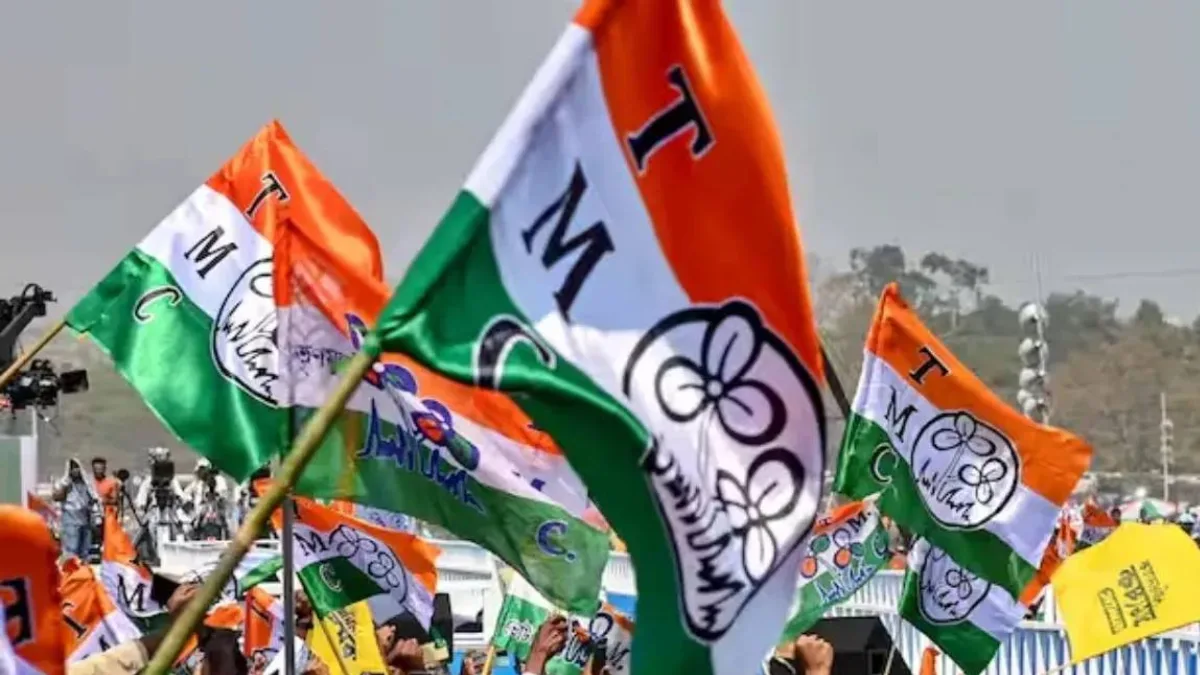
A government report that spends more than a decade in a drawer tells a story regardless of what is written on its pages.
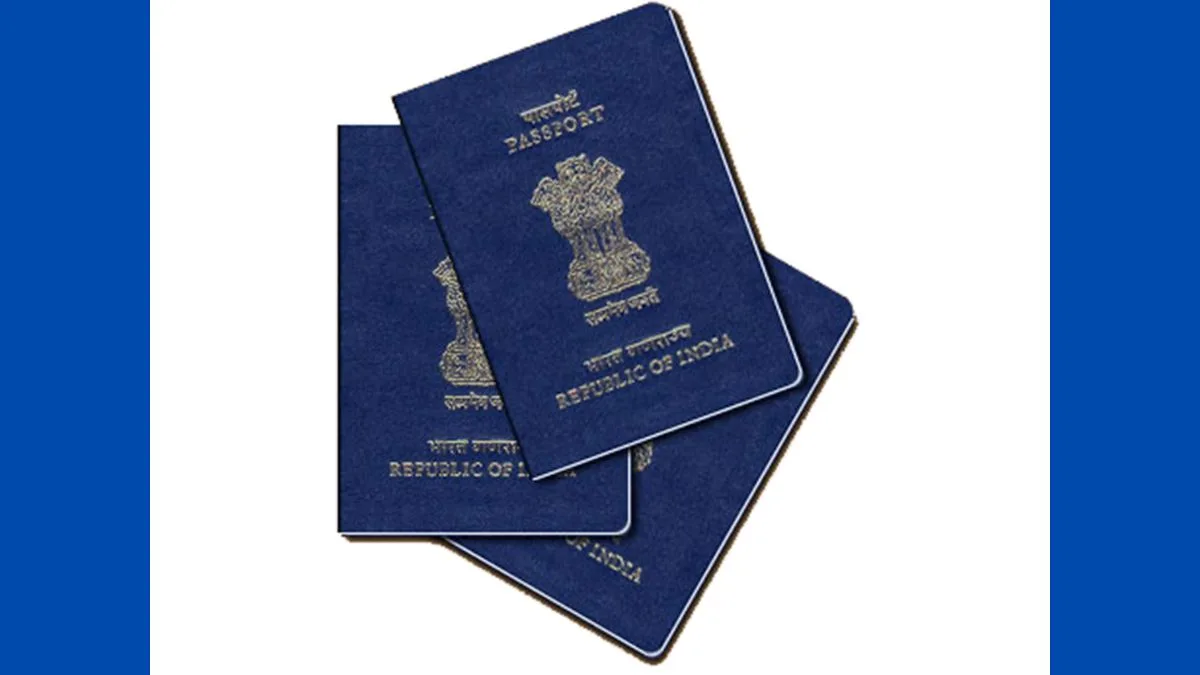
The public debate about whether an Indian passport proves citizenship has brought back an important legal question.

In a short span of time, the Supreme Court used Article 142 in two Tamil Nadu cases involving intimate relationships.
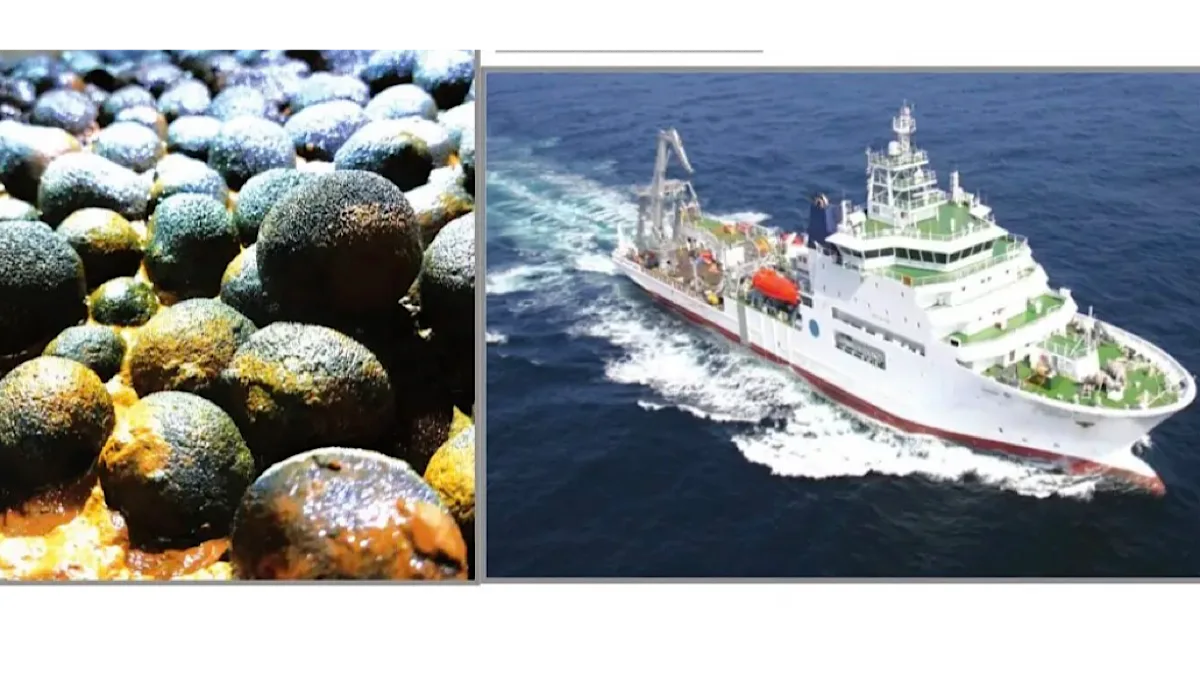
The mineral economy of India is at a crucial moment of structural transition.

India’s growing reservoir crisis is Receiving a simple "Hi" from children living in the US is a universal milestone for Indian parents.

The Statesman interviewed Sagar Daryani, Co-founder and CEO of Wow! Momo Foods Pvt. Ltd who shared how momo for him has always been an emotion rooted in comfort and culture and how the latest gluten-free momos reinforce the brand’s aggressive focus on health.

Saanya Bhandari Jain selected to join Dr. Sylvia Earle for a groundbreaking climate expedition

Another attack on a girl in the city. Another round of screaming and shouting. Another set of outraged outbursts. Another vicious cycle of venom spewing. Mud slinging. Blame games.

There is a pressing need to prescribe minimum educational qualifications for law makers, says Srijita Majumder

India’s nuclear laws are at the crossroads of reform, say Satyadeep Kumar Singh and Ravi Shankar Shukla