A government report that spends more than a decade in a drawer tells a story regardless of what is written on its pages. In Bengal, the story of the Justice Chatterjee Commission’s report is not really about the firing of 21 July 1993 – that account has been public, in substance, since the commission concluded its work in 2014. The real story is about what happens to inconvenient documents in Indian state administration, and about a political establishment’s calculated relationship with its own archives.
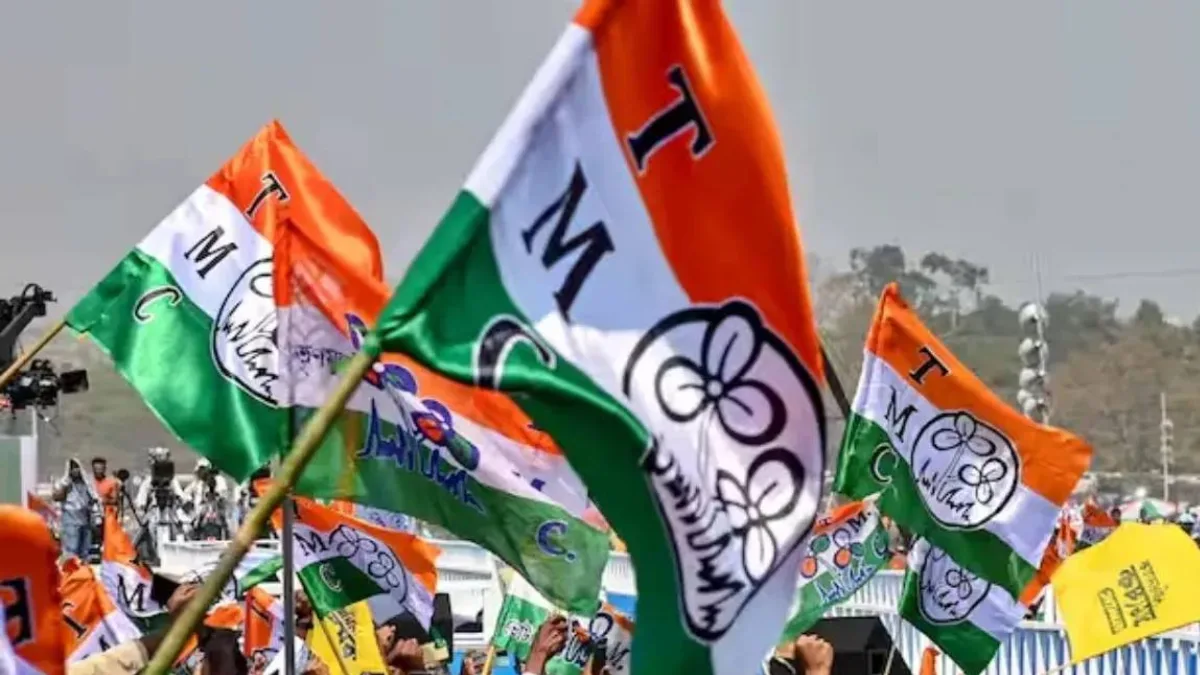
Consider the timeline. Mamata Banerjee’s government constituted the commission in 2011, within months of taking power, fulfilling a pre-election promise that was central to her party’s founding narrative. The commission worked for three years and delivered its findings in 2014. Under the Commission of Inquiry Act, 1952, the report was legally required to be placed before the Assembly, alongside the government’s action-taken response within six months. That deadline came and went.
Advertisement
It came and went again the following year, and the year after that, through eleven subsequent Martyrs’ Day observances, each one drawing hundreds of thousands of TMC workers to hear Banerjee speak of justice for the fallen – even as the state’s own commissioned account of that injustice remained unpublished by her administration. Bengal, it turns out, is no stranger to this pattern. A 2018 audit found the state had spent roughly Rs 32.5 crore across thirteen commissions of inquiry into politically sensitive incidents, with only three reports ever tabled in the Assembly.
Among the untabled was the Shyamal Kumar Sen commission report on the Saradha ponzi scheme, in which TMC figures were named as key accused, submitted in 2014 and never placed before the House either. The pattern suggests something structural rather than incidental – a government apparatus in which commissions serve a useful purpose at the moment of their announcement, generating headlines and satisfying demands for accountability, and a far less useful purpose once their findings are ready to be read. This is where the sharper charge against TMC gains its force.
It is one thing for a report to be delayed by bureaucratic friction. It is another for an entire category of politically sensitive reports – on a scam implicating the ruling party’s own leaders, and on the founding tragedy of the ruling party’s own political identity – to share the same fate of indefinite non-tabling, year after year, election after election, while the government that shelved them continued to campaign on the moral authority those very documents were meant to formalize. Whether that pattern reflects deliberate strategy or a permissive culture of institutional neglect that nonetheless serves the ruling party’s convenience is a matter for voters and historians to weigh – but the pattern itself is documented, not alleged.
Chief Minister Suvendu Adhikari’s government now has every incentive to frame its release of the July 21 report as an act of transparency his predecessor withheld for eleven years, and there is a straightforward reading in which that framing is simply accurate: a legal obligation went unmet for over a decade, and a new government met it. But governments that table old reports belonging to their predecessors are rarely acting from pure institutional conscience, and it would be naive to treat this release as anything other than what it plainly also is – a calculated strike delivered in the exact week it would cause maximum discomfort to a rival preparing her most important annual address.
TMC’s defenders will point out, correctly, that the underlying findings of the report do not accuse Banerjee or her party of the firing itself; that tragedy occurred under a Left Front government seven years before TMC’s founding. They may also argue that a government juggling thousands of files across fifteen years cannot be expected to treat every commission’s report as an urgent priority, and that selective outrage over one unpublished document, out of thirteen commissions with similarly unpublished findings, says more about the current government’s political timing than about any unique culpability on TMC’s part. That argument has some force, and a fair account of this episode should register it.
But it does not fully answer the more specific question the tabling has now placed on Bengal’s public record: why a party whose entire political identity rests on public commemoration of these thirteen deaths chose, for eleven consecutive years, not to make public the one official document that formally examined them. Institutional inertia is a real phenomenon in Indian administration, and it is possible that is all this was.
It is also possible, and Adhikari’s government is plainly betting the public will conclude that a report is easier to leave in a drawer when its publication would complicate the story a government prefers to tell about itself. Bengal’s voters will decide which explanation they find more persuasive. What is not in dispute is the document itself, now finally before the Assembly it was always legally required to reach – eleven years, and one change of government, later than the law demanded.
(THE WRITER IS A RETIRED CIVIL SERVANT.)