Logo

Supplements

Rising Temperatures Threaten India’s Wheat Belt: Report

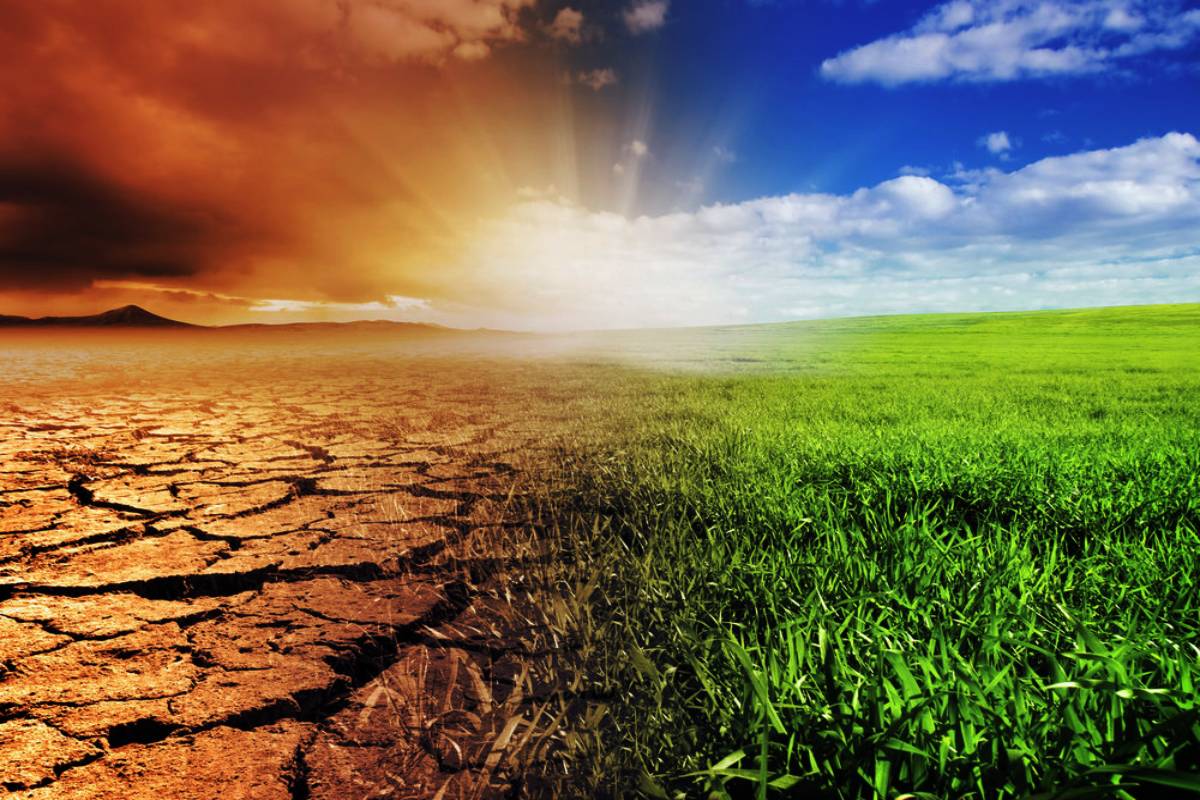
Punjab and Haryana warming at half a degree per decade during the wheat season, with minimum temperatures rising nearly three times faster in Gujarat 1 June 2026, New Delhi: India produces over 107 million tonnes of wheat annually, making it the second-largest wheat producer in the world and accounting for roughly 14% of global output.

Baby thrown with the bathwater?

In May 2026, the Supreme Court of India took suo motu cognizance of bail orders passed by the Orissa High Court and trial court.

Dealing with digital poison

The Supreme Court’s direction to the Information and Broadcasting Ministry to frame a mechanism for screening user-generated content before it is uploaded has reopened a debate India has never quite resolved: how to curb digital poison without handing the State a permanent switch over speech.

How travel boosts emotional resilience in seniors

Travel is therapeutic, especially for seniors, as it offers a distinctive opportunity to break away from their routine lives. Not only does it contribute to sharpening their perspectives and adapting to new situations, but it also aids in building a robust coping mechanism. 

How can humanity regulate AI?

AI can’t only be regulated by national or local laws. But rather by comprehensive ones forged and monitored by an intergovernmental organisation, which in turn can pave the way for local and national regulatory frameworks.

The impact of AI on enhancing EV performance and efficiency

Electric Vehicles (EVs) are reshaping the automotive landscape, offering significant environmental and economic advantages, from reduced emissions to lower maintenance costs. The global transition toward EVs is accelerating, with nearly 14 million new electric cars registered in 2023 alone, bringing the worldwide total to 40 million, as per the International Energy Agency.

Understanding pathogenicity and virulence of pathogenic microorganisms

Pathogenicity is the potential capacity of certain species of microbes to cause an infectious process. It is characterised by a complex of pathogenic properties in the microbe formed in the process of the historical development of the struggle for existence and adaptation to parasitic life in plant, animal and human organisms. Pathogenicity is a specific characteristic of pathogenic microbes.