Education without entrance examinations
India’s entrance exam regime has grown into a parallel economy, draining families and destroying young lives.
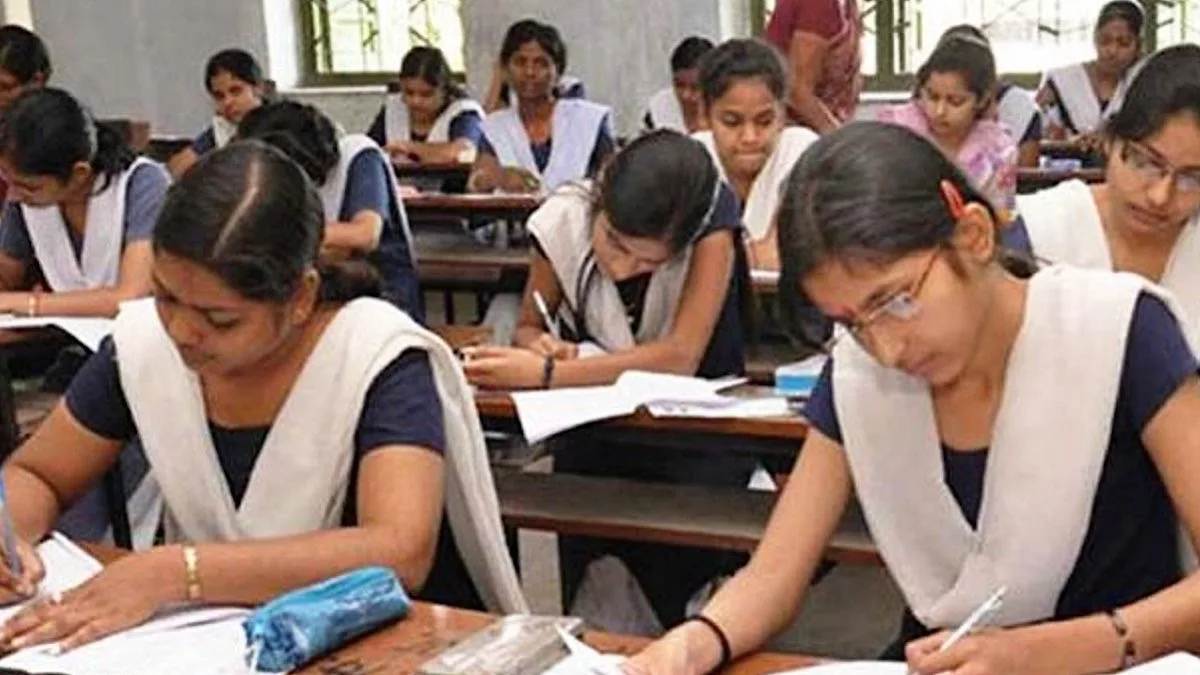
India’s entrance exam regime has grown into a parallel economy, draining families and destroying young lives.
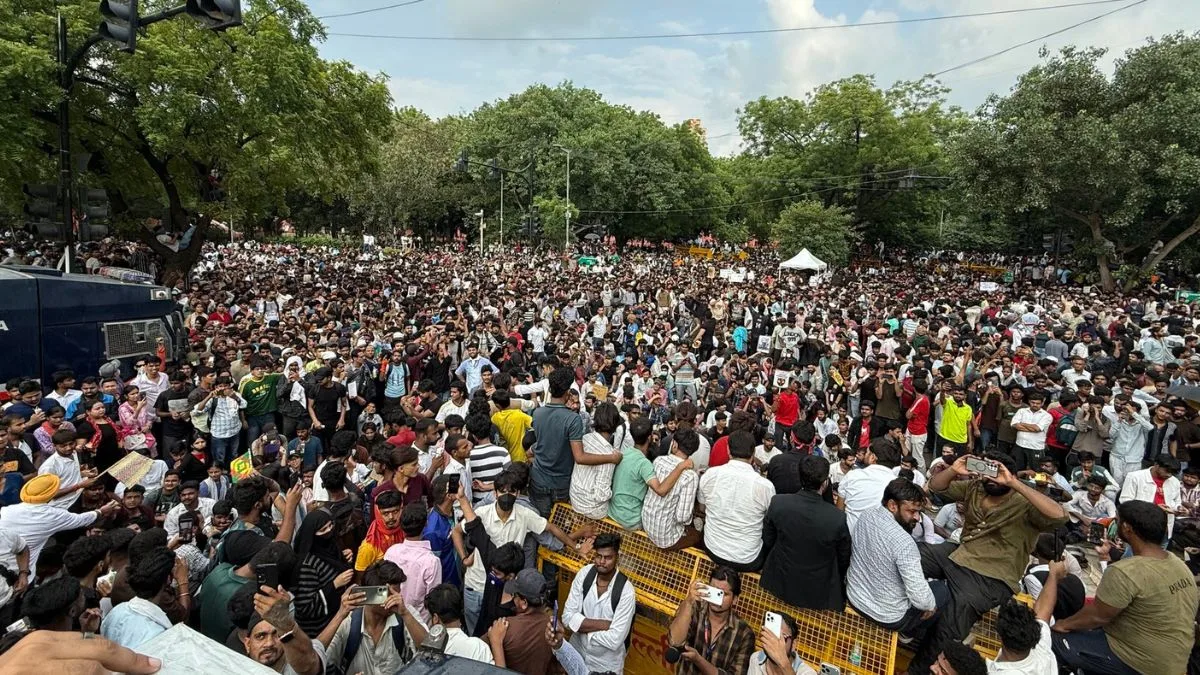
In a healthy democracy, student activism has always been a vital force - a crucible where ideas are sharpened , injustices challenged, and futures forged.
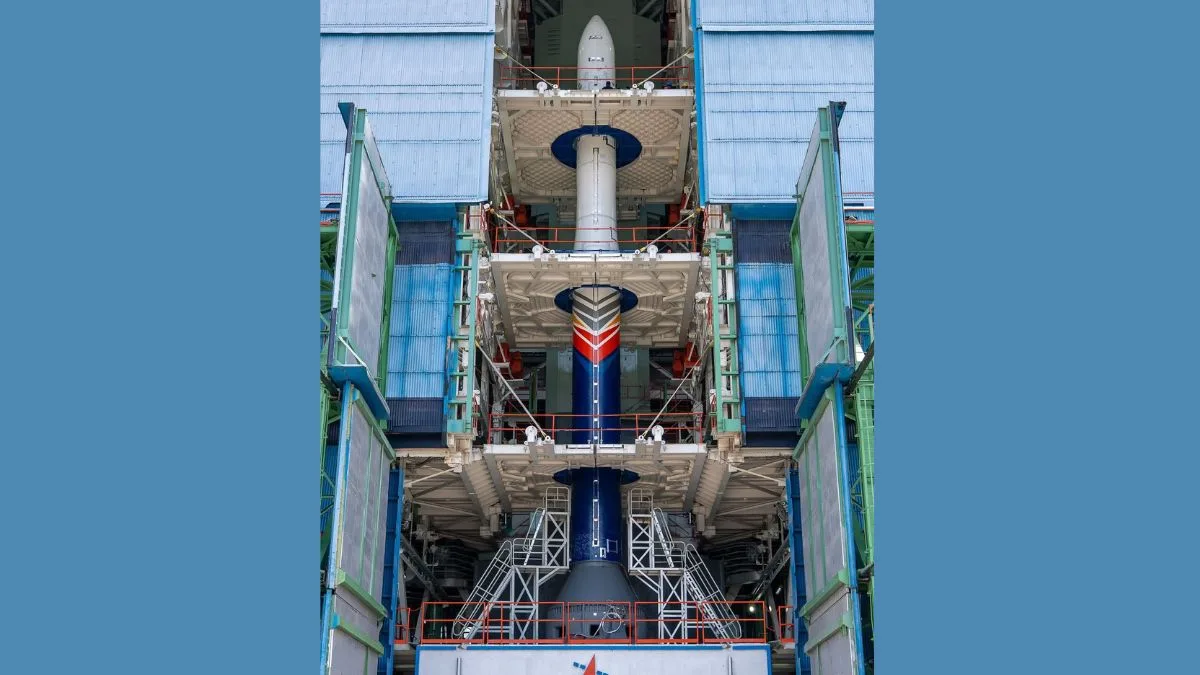
Vikram-1 reaching orbit marks an important transition in India’s space journey.

The latest Republican US budget package is about far more than allocating another $95 billion in federal spending.
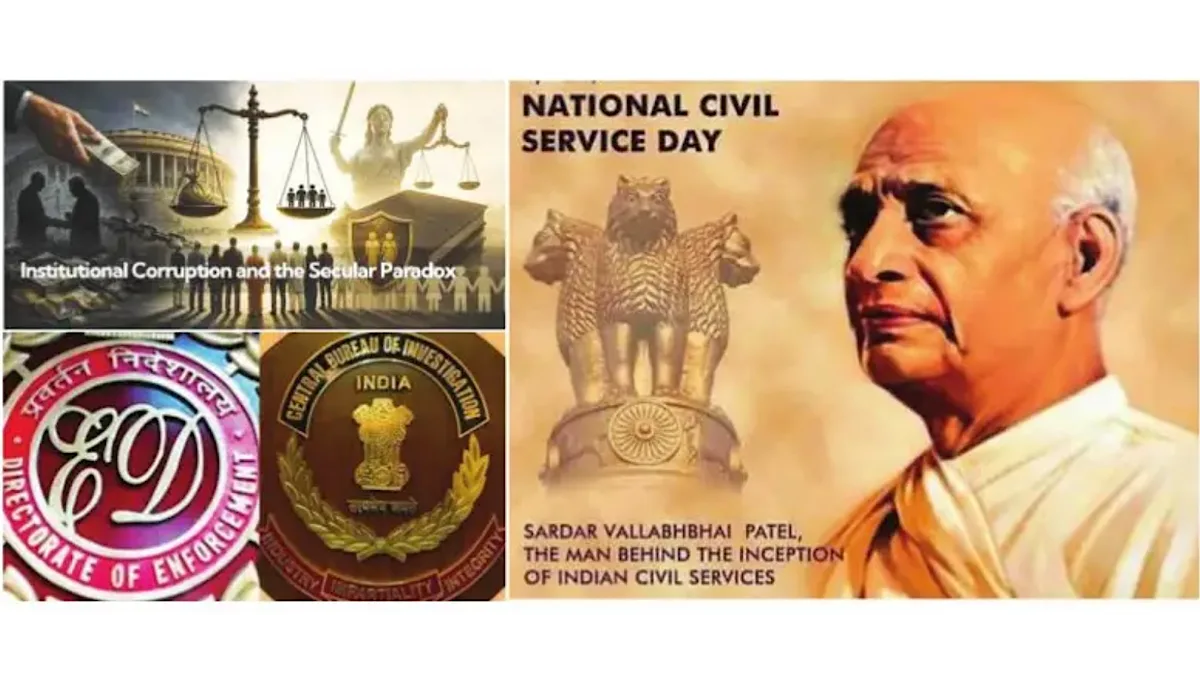
Indian administration has always had a fantastic worldwide reputation. Sardar Vallabhbhai Patel once referred to our civil services as the “steel frame” of the nation.

As bulldozer action continued in Topsia on Sunday, the Kolkata Municipal Corporation (KMC) issued notices to two more buildings in Beleghata allegedly linked to Raju Naskar, said to be a close aide of the Trinamul Congress.

In the past few days, the media has been awash with reels and posts of a tear-brimmed Bengali actor-director declaring in a public meeting that he had been compelled to compromise his artistic and cultural convictions for the sake of his family.
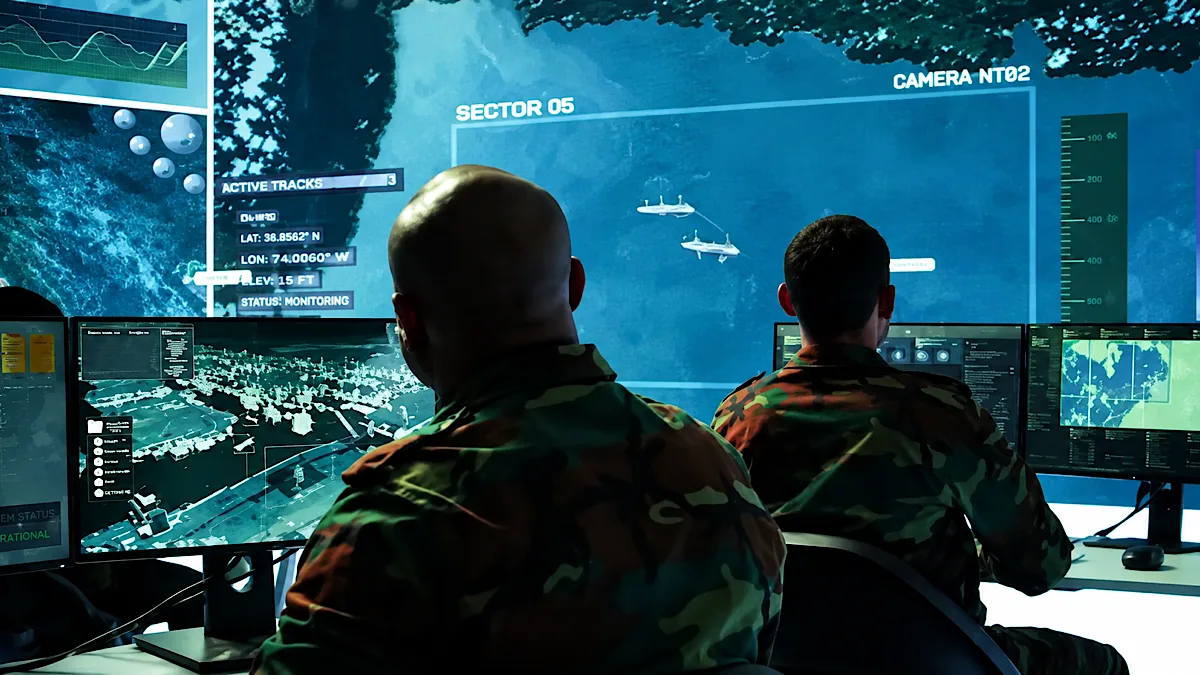
Recent conflicts have displayed two distinct characteristics. The first is a war between neighbouring countries primarily with territorial disputes while the second is when a state or an alliance, without a common border with the adversary, seeks to force it into submission or accept its terms.
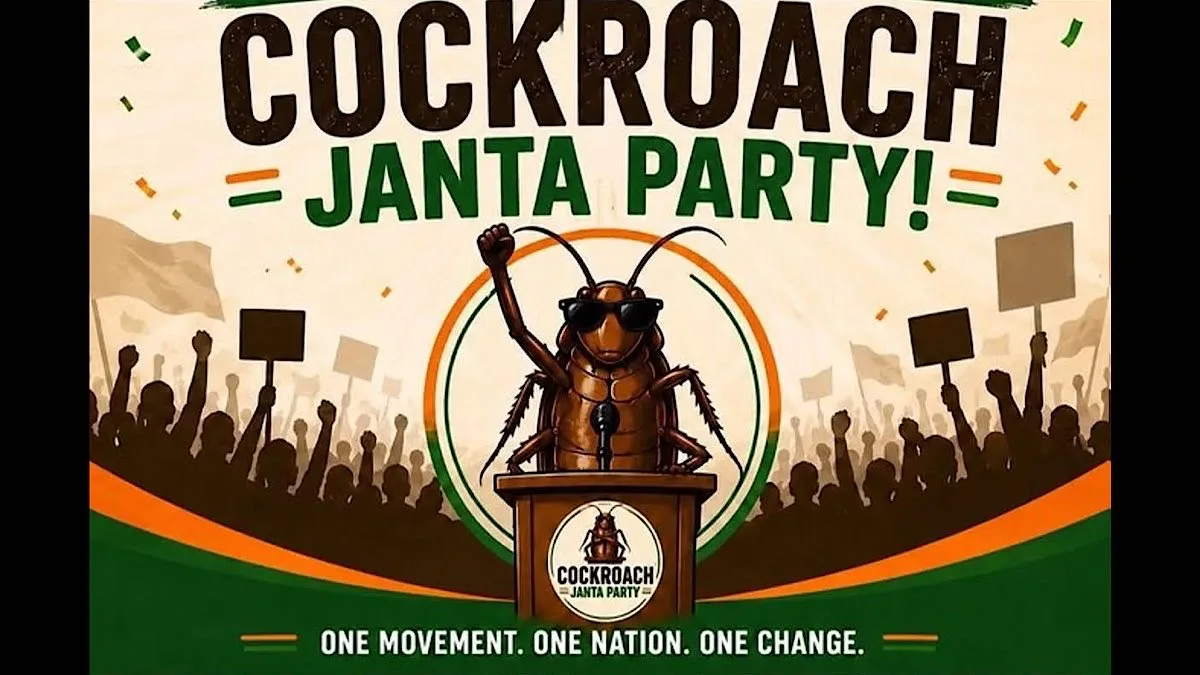
India’s newest political symbol is not a flag, a clenched fist or a revolutionary slogan. It is a cockroach.

The visit of US Secretary of State Marco Rubio to India has exposed a reality that both Washington and New Delhi increasingly understand but rarely talk of openly: the India-US relationship is no longer driven by sentiment, democratic rhetoric or shared slogans about the “free world”.