Let’s tread slowly with biofuel ambitions
India's fuel policy is increasingly being shaped by blending targets. First came ethanol blending mandates.
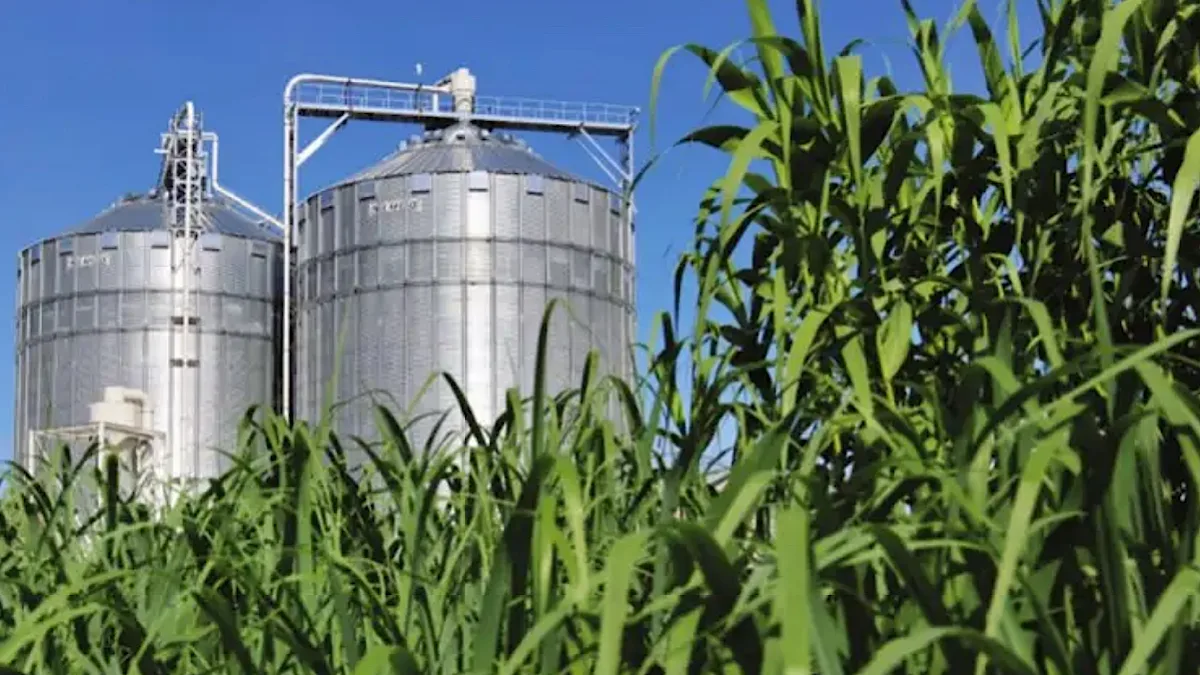
India's fuel policy is increasingly being shaped by blending targets. First came ethanol blending mandates.

West Bengal is not merely a state. It is, in the telling of those who sought to win it back from the Trinamool Congress, a civilisational citadel - the cradle of the Bengal Renaissance, the land of Ramakrishna and Vivekananda, Bankimchandra and Tagore , Shyamaprasad Mookerjee and Netaji Subhas Chandra Bose.

India's temporary restriction on Telegram ahead of the NEET-UG re-examination has dominated headlines.

There is something profoundly ironic about a civilisation becoming embarrassed by one of its oldest mirrors.
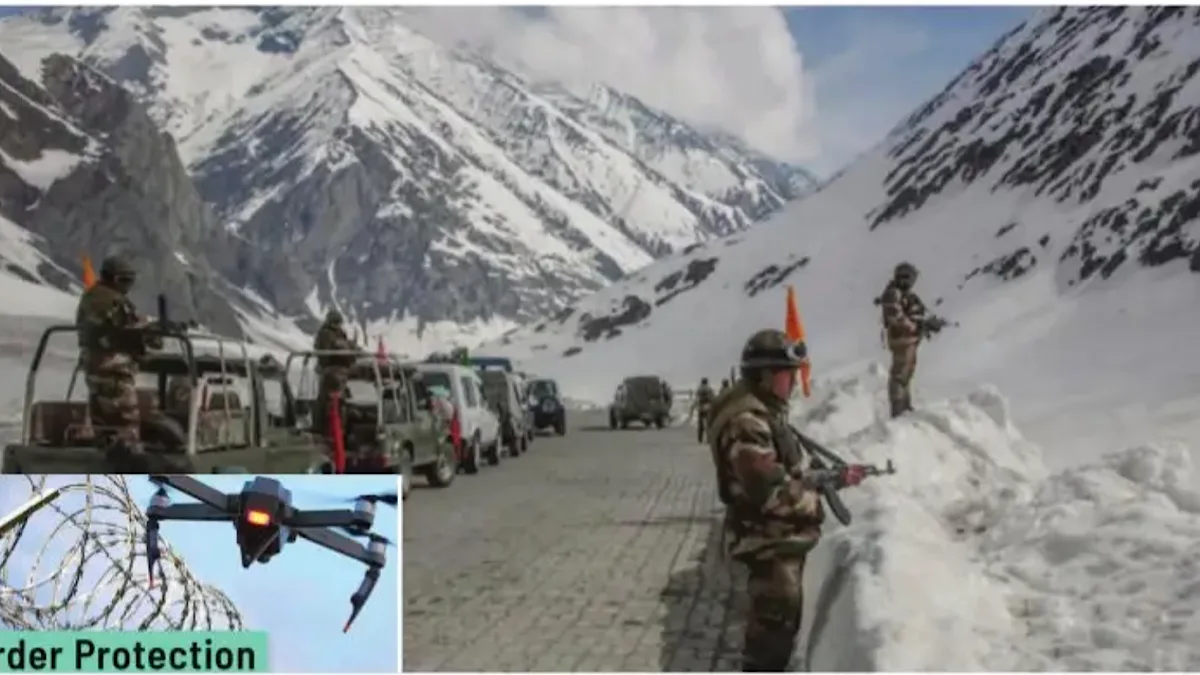
Special emphasis has been laid on the development of infrastructure in the difficult terrains in Arunachal Pradesh, Ladakh, and parts of Uttarakhand bordering China.

India's contemplation of allowing its companies to list on the London Stock Exchange marks a pivotal moment in the nation’s evolving economic strategy.

The termination by India of transshipment facilities for Bangladesh marks more than a policy decision ~ it signals a recalibration of regional diplomacy, trade priorities, and strategic red lines in South Asia.

We all know that failure of the Cripps Mission to offer any advance towards self rule and growing discontent among the people were the immediate factors leading to the Quit India Movement in 1942. But, there was a story behind the story.
April Fool’s Day was on 1 April, but the next day, US President Trump unleashed Liberation Day, imposing tariff rates of 10 per cent on UK, Australia and Singapore, 20 per cent on EU and 54 per cent on China.

The United Kingdom’s latest step in civil service reform is striking both in scale and symbolism.