Let’s tread slowly with biofuel ambitions
India's fuel policy is increasingly being shaped by blending targets. First came ethanol blending mandates.
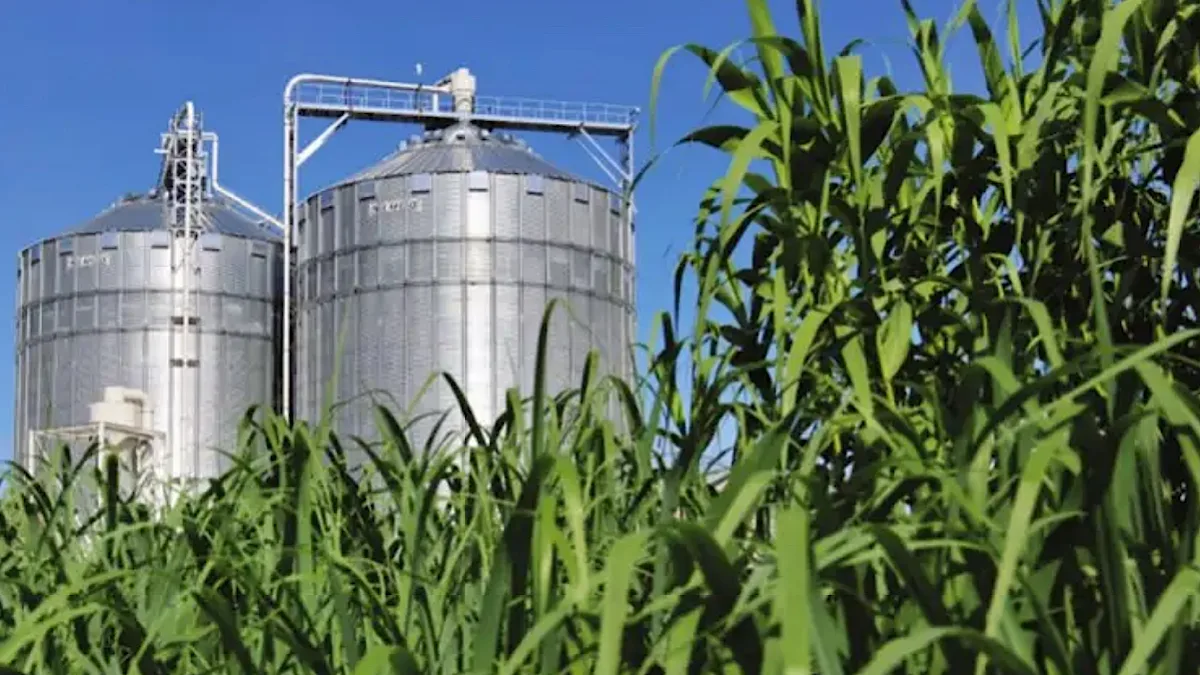
India's fuel policy is increasingly being shaped by blending targets. First came ethanol blending mandates.

West Bengal is not merely a state. It is, in the telling of those who sought to win it back from the Trinamool Congress, a civilisational citadel - the cradle of the Bengal Renaissance, the land of Ramakrishna and Vivekananda, Bankimchandra and Tagore , Shyamaprasad Mookerjee and Netaji Subhas Chandra Bose.

India's temporary restriction on Telegram ahead of the NEET-UG re-examination has dominated headlines.

There is something profoundly ironic about a civilisation becoming embarrassed by one of its oldest mirrors.
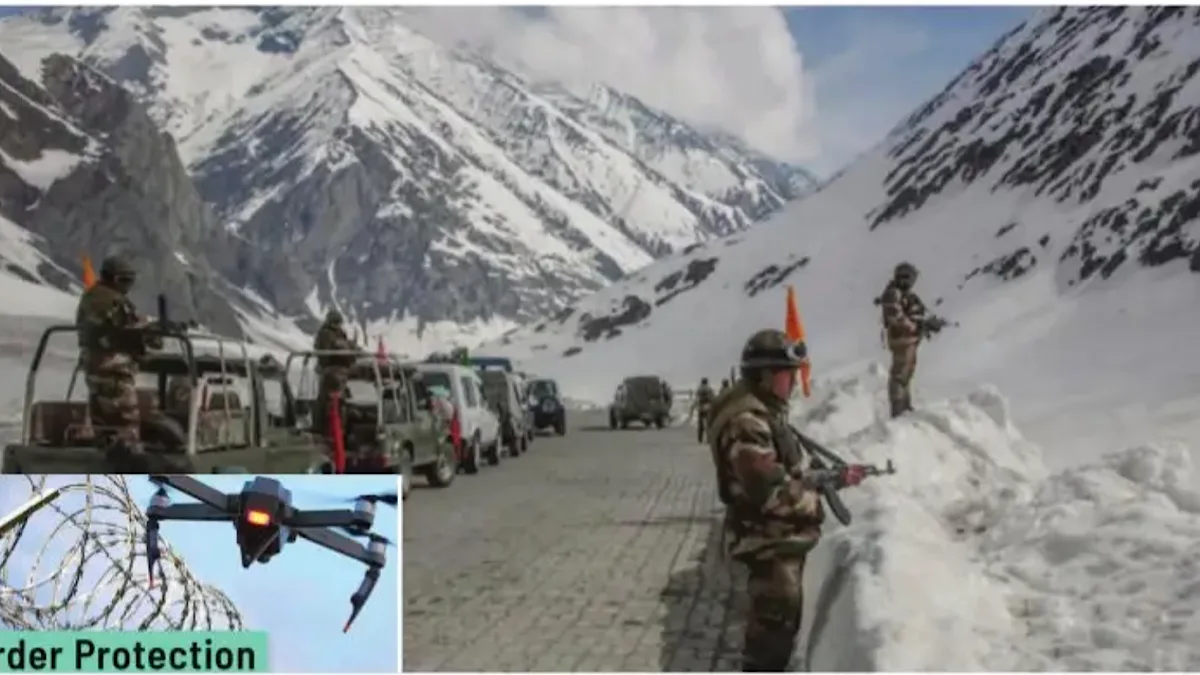
Special emphasis has been laid on the development of infrastructure in the difficult terrains in Arunachal Pradesh, Ladakh, and parts of Uttarakhand bordering China.

On 17 April 1975, tanks rolled into the Cambodian capital, Phnom Penh, to cheering crowds who believed that the country’s long civil war might finally be over.

The two great men shook the world by their ideas and deeds, and lived their lives for others on this very land, twenty-five centuries apart.

India’s latest inflation data has landed like a cool breeze in the sweltering summer of economic uncertainty.

In a world already fractured by disinformation and rising authoritarianism, Russia’s latest crackdown on journalists is a chilling escalation.

Elon Musk is probably the most hated man on earth. Americans hate him, because in a tight job market, Musk’s Department of Government Efficiency is busy firing people.