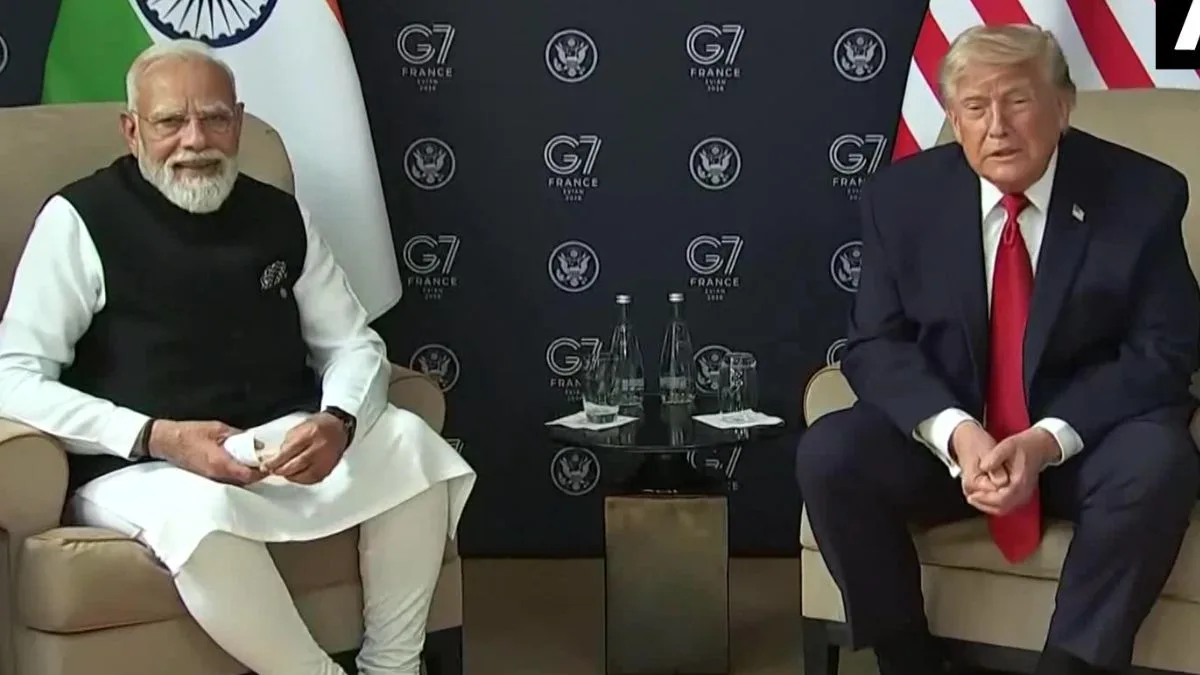
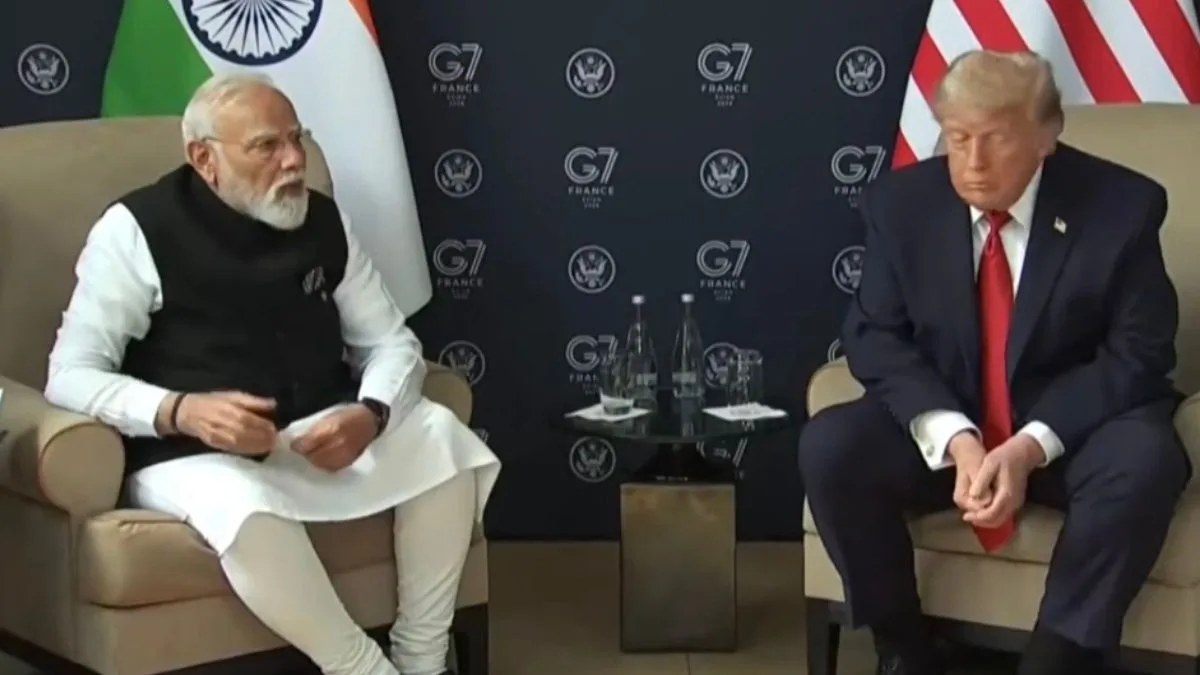
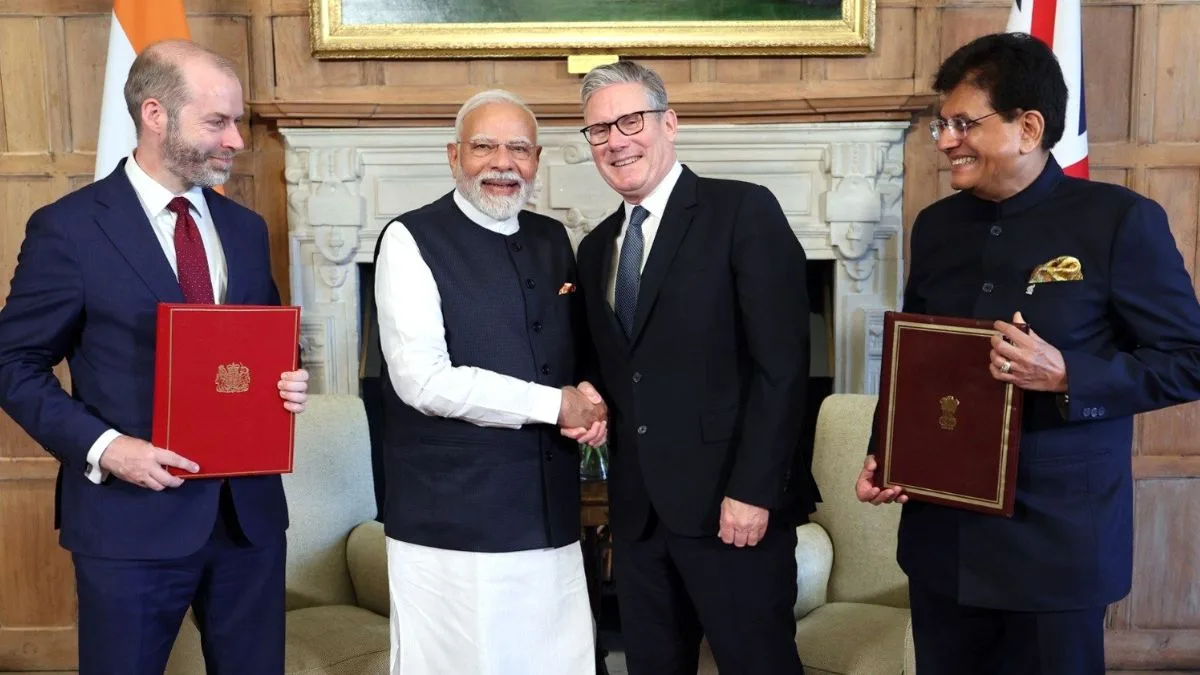
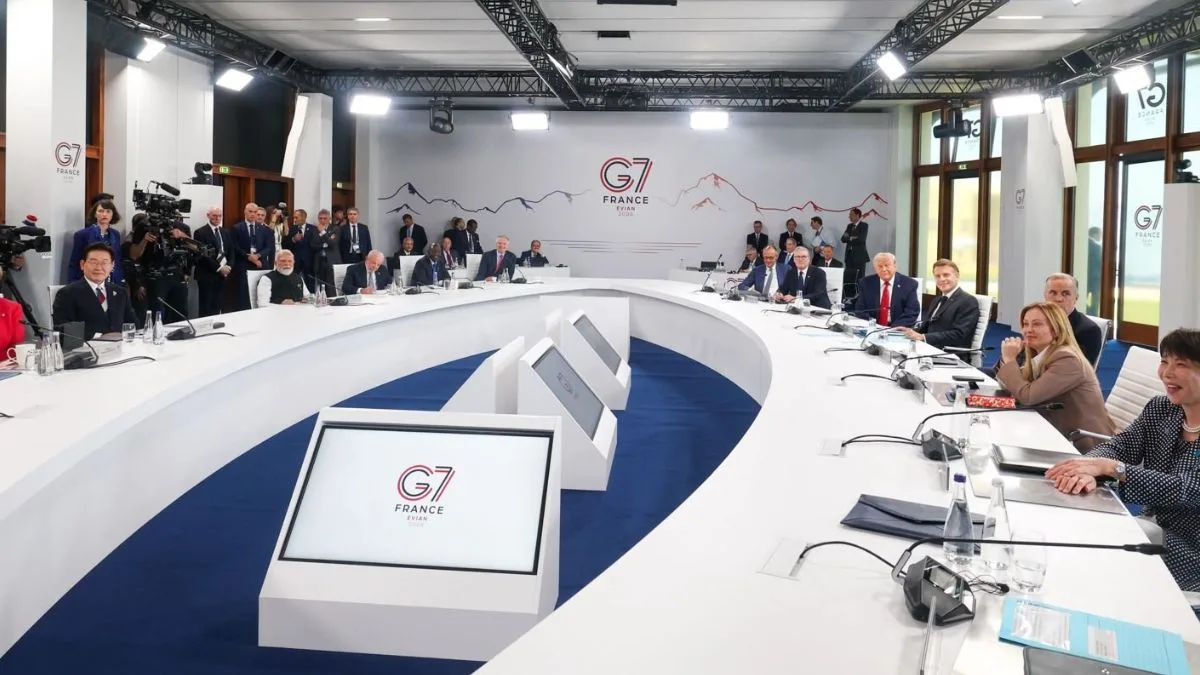
Geopolitics in the age of scrolling
There was a time when geopolitics moved through formal rooms. A state issued a statement. A spokesperson read from a prepared text.
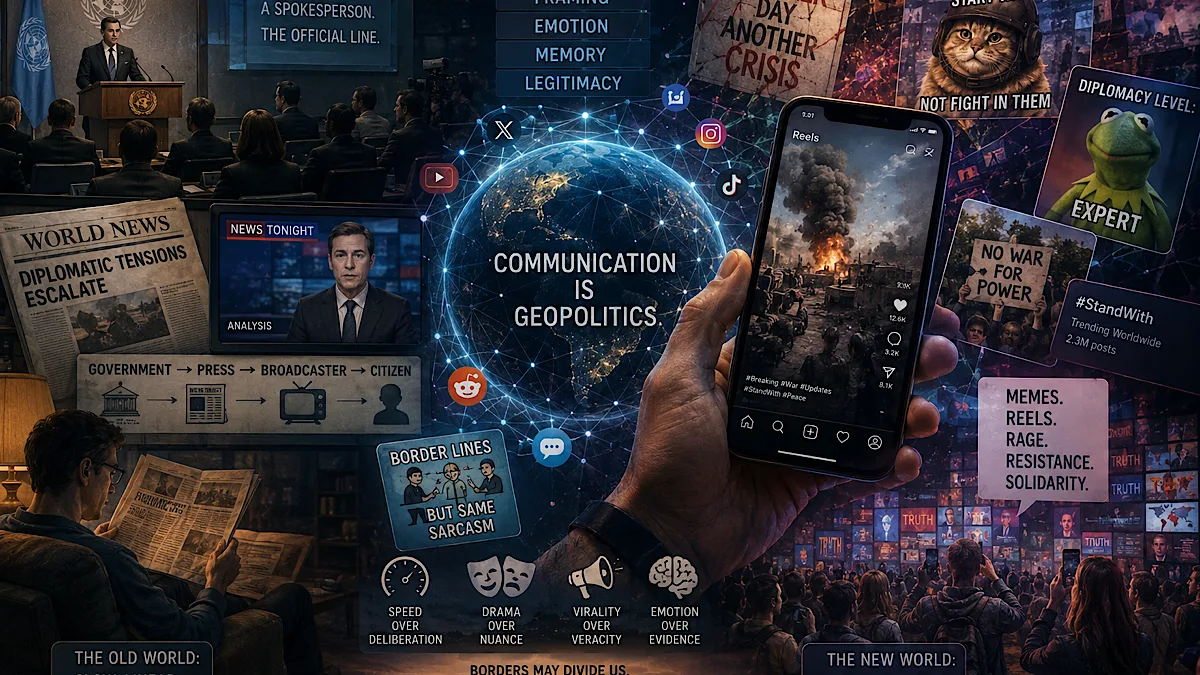
There was a time when geopolitics moved through formal rooms. A state issued a statement. A spokesperson read from a prepared text.

There Are moments in history when a nation’s progress stops being incremental and becomes directional.

The announcement of a framework agreement between the United States and Iran has understandably been greeted with relief.

Modern society has an unhealthy relationship with medical progress. We crave miracles, celebrate breakthroughs and search for definitive cures.
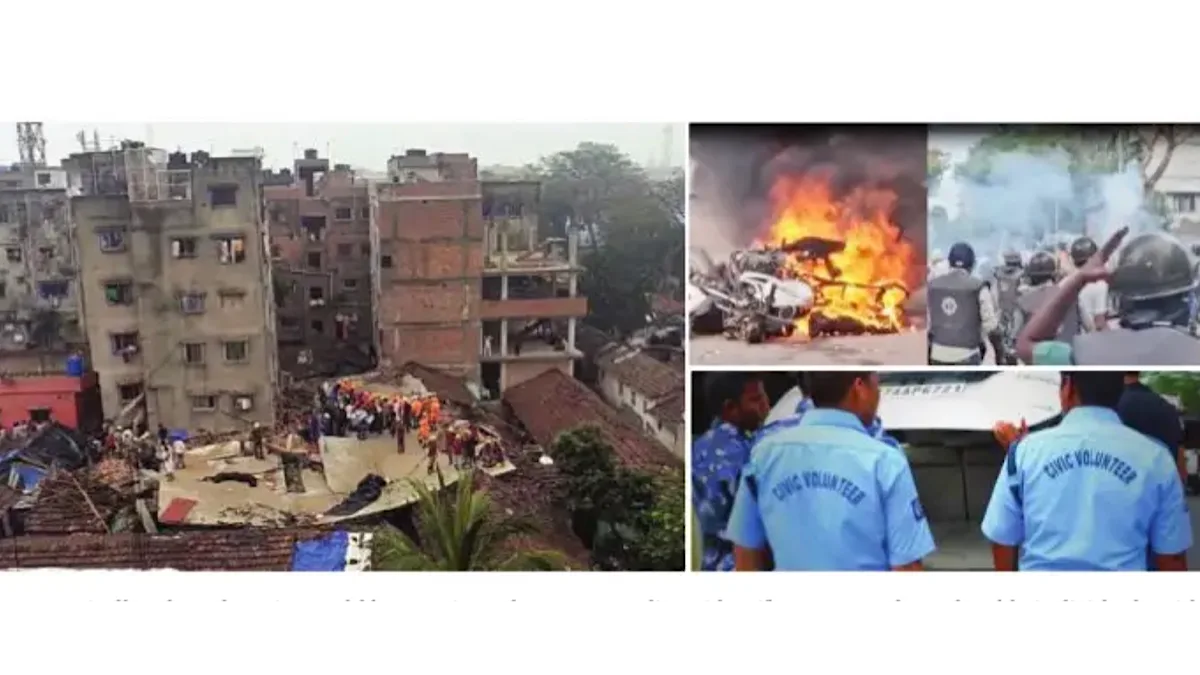
Light follows darkness. After the 15-year long TMC era ~ most certainly a dark period in the socio-economic and political history of Bengal, people are now hoping for rejuvenation of a state that has fallen beyond the depth of anarchy and despair.

The long-simmering tensions between Israel and Iran have crossed a dangerous threshold. Israel’s pre-dawn strikes on June 13 against Iran’s nuclear and missile facilities mark a serious escalation that could redraw the strategic landscape of West Asia.

The Parliament of India, in 2005, enacted what would become one of the strongest Right to Information (RTI) laws in the world. 15 June 2025, marks the 20th anniversary of the passage of the RTI Act, which fully came into force on 12 October 2005.

A revolution is taking root on the soil of India, one that will not only be recorded in the annals of statistics but will resonate in the heartbeats of millions.

The devastating crash of Air India’s London-bound flight from Ahmedabad is a grim reminder of the fragile boundaries of air safety, no matter how advanced the aircraft or how routine the journey.

The agreement between the United States and China over rare earth exports marks a small but telling pause in what has become an increasingly tangled and volatile economic conflict.