Geopolitics in the age of scrolling
There was a time when geopolitics moved through formal rooms. A state issued a statement. A spokesperson read from a prepared text.
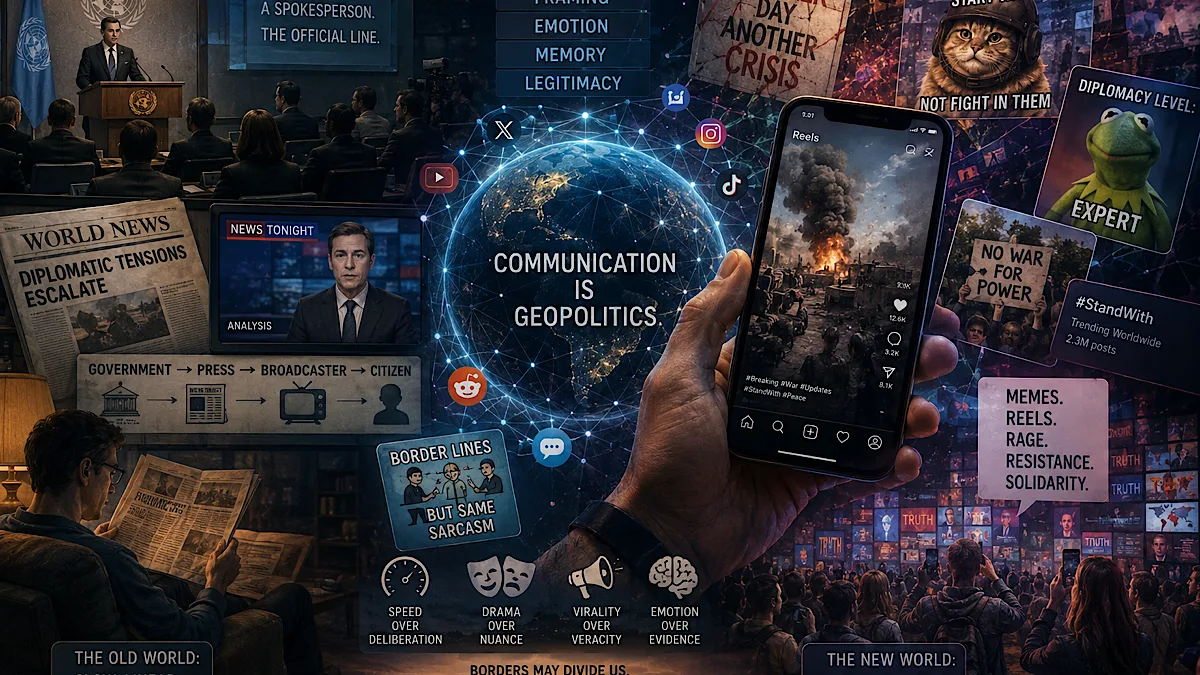
There was a time when geopolitics moved through formal rooms. A state issued a statement. A spokesperson read from a prepared text.

There Are moments in history when a nation’s progress stops being incremental and becomes directional.

The announcement of a framework agreement between the United States and Iran has understandably been greeted with relief.

Modern society has an unhealthy relationship with medical progress. We crave miracles, celebrate breakthroughs and search for definitive cures.
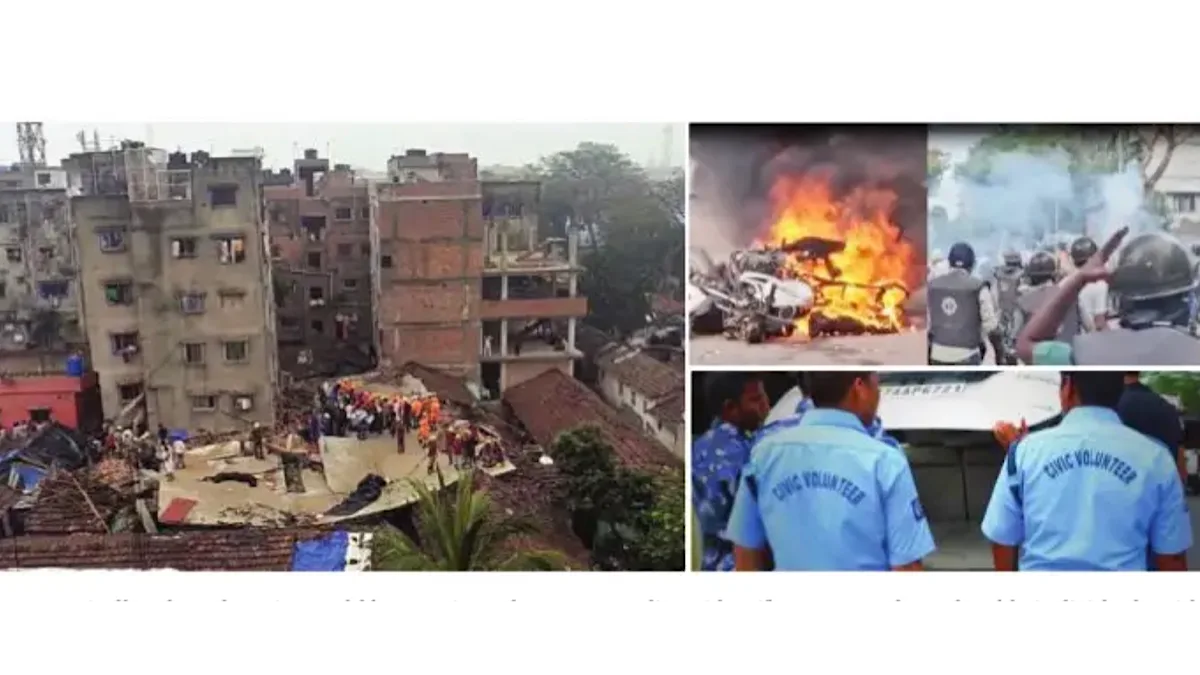
Light follows darkness. After the 15-year long TMC era ~ most certainly a dark period in the socio-economic and political history of Bengal, people are now hoping for rejuvenation of a state that has fallen beyond the depth of anarchy and despair.

Chief of Defence Staff General Anil Chauhan’s recent warning about a potential China-Pakistan-Bangla - desh convergence is more than caution from the country’s top military brass; it is a flashing yellow light on South Asia’s strategic dashboard.

The global asylum system is facing a moment of reckoning. With over 123 million people displaced by war, persecution, or disaster, the scale of human suffering is immense.
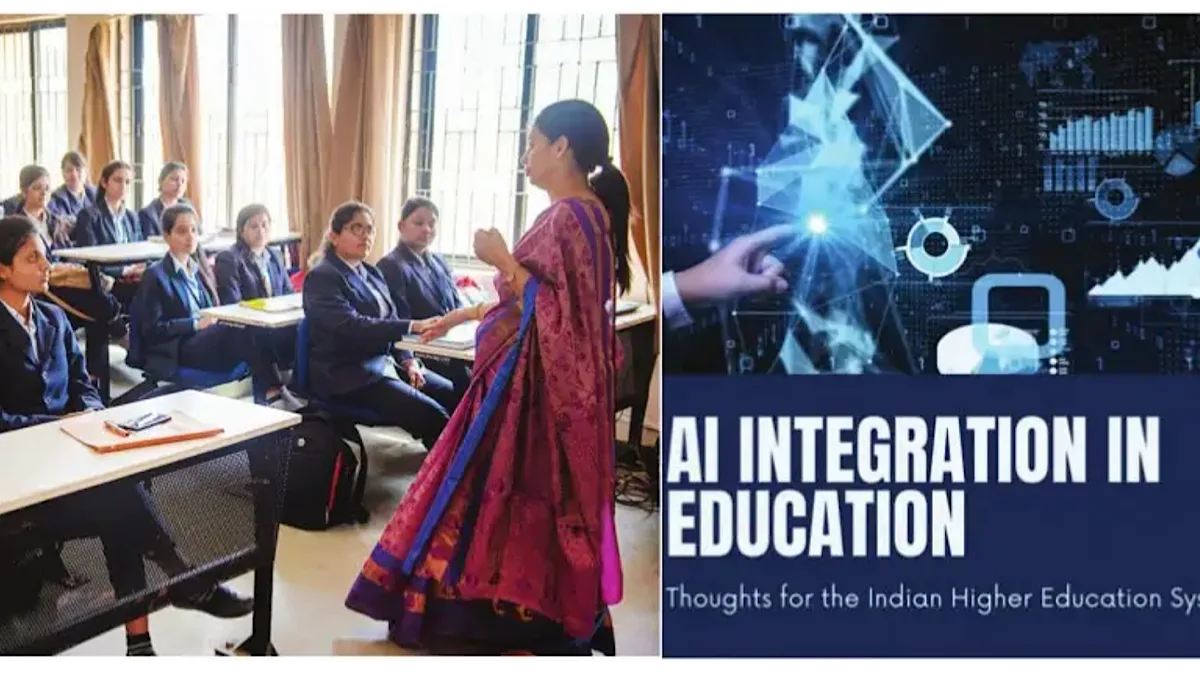
While reading a piece of news, I was suddenly reminded of my Class Five half yearly examination. I was first in class, yet had scored only 59 in Mathematics.

In a big and polyglossic country like India, language policy and language education are important and sensitive issues.
The recent uproar in Maharashtra over the mandatory inclusion of Hindi as a third language in state-run primary schools has revealed more than just pedagogical discontent.