Geopolitics in the age of scrolling
There was a time when geopolitics moved through formal rooms. A state issued a statement. A spokesperson read from a prepared text.
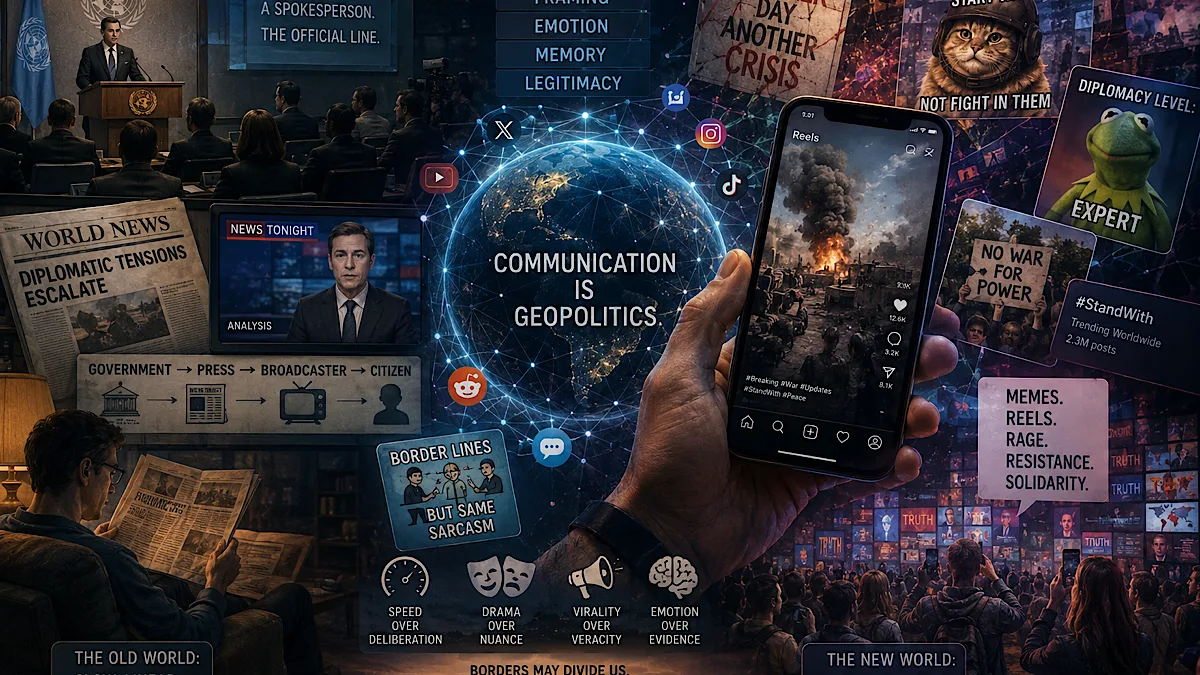
There was a time when geopolitics moved through formal rooms. A state issued a statement. A spokesperson read from a prepared text.

There Are moments in history when a nation’s progress stops being incremental and becomes directional.

The announcement of a framework agreement between the United States and Iran has understandably been greeted with relief.

Modern society has an unhealthy relationship with medical progress. We crave miracles, celebrate breakthroughs and search for definitive cures.
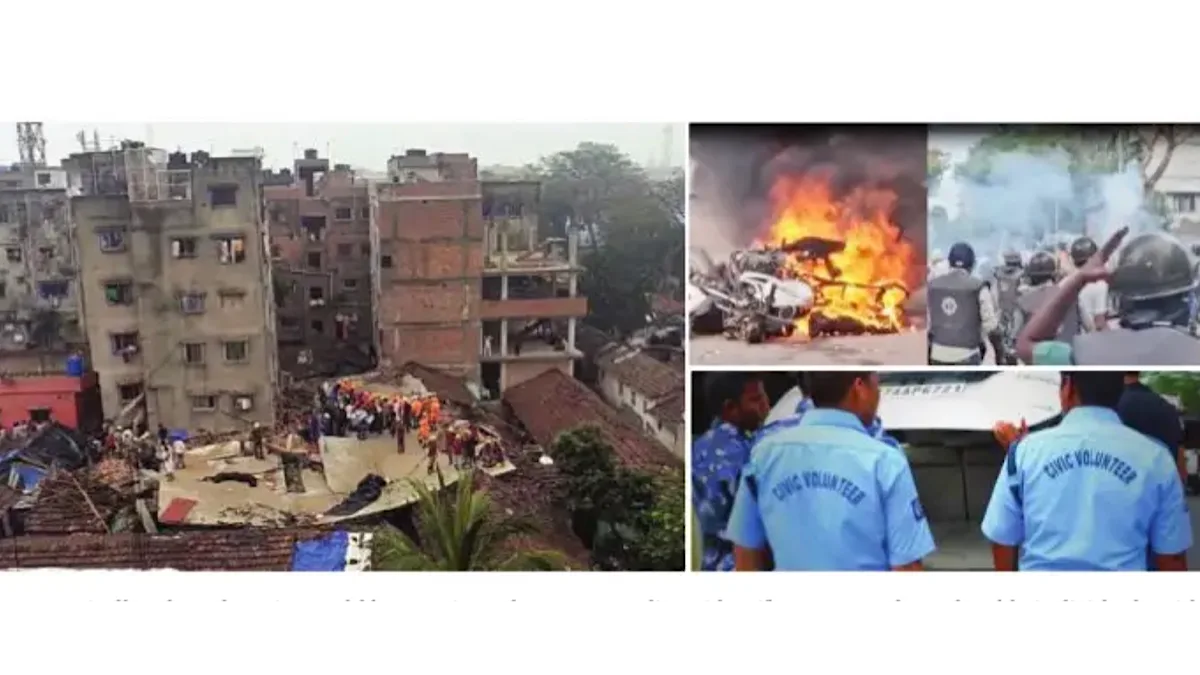
Light follows darkness. After the 15-year long TMC era ~ most certainly a dark period in the socio-economic and political history of Bengal, people are now hoping for rejuvenation of a state that has fallen beyond the depth of anarchy and despair.

Despite all the reverential mythification and mystification of Gurukul and studious, scholarly students, Plato’s academy and Socratic dialogue, literary representations of schools and teachers have often opted for satire, irony, humour and outright abrasive criticism.

It began with a crack - barely visible, tucked away in the weld joint of a pressure feedline on a Falcon-9 booster. A minor flaw, perhaps, in the grand machinery of spaceflight.

At first glance, the proposal to rescind over $9 billion in US federal spending appears to be a relatively modest budgetary adjustment.

Fauja Singh did not just run marathons; he ran against time, against loss, and against the limitations that society ~ and biology ~ impose on age.

At the end of the 20th century, celebrated Colombian writer Ga briel Garcia Marquez made a seminal observation: “Expect nothing from the 21st century; it is the 21st century that expects everything from us.” Marquez was right.