If the click goes, so will the Web
The modern internet was built on a simple bargain. Websites created content. Search engines sent users to those websites.
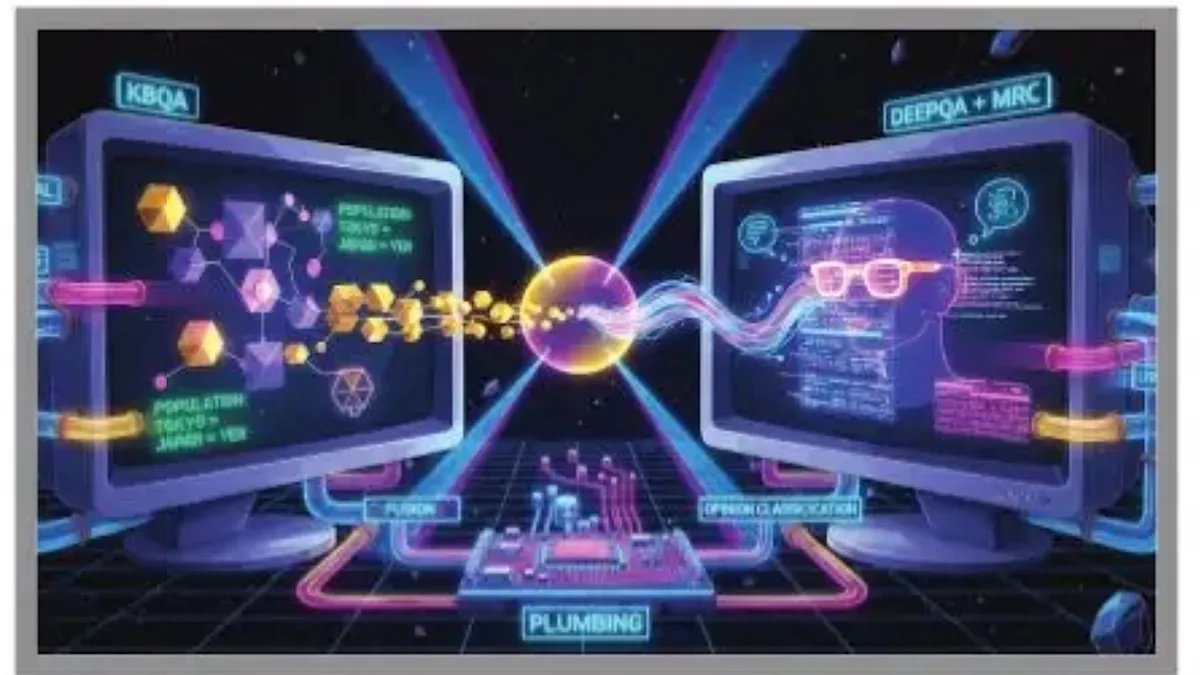
The modern internet was built on a simple bargain. Websites created content. Search engines sent users to those websites.

One year after one of the worst aviation disasters in Indian history, the most unsettling reality is not that the final answer remains elusive. It is that, in the absence of definitive findings, competing certainties have rushed in to fill the void.
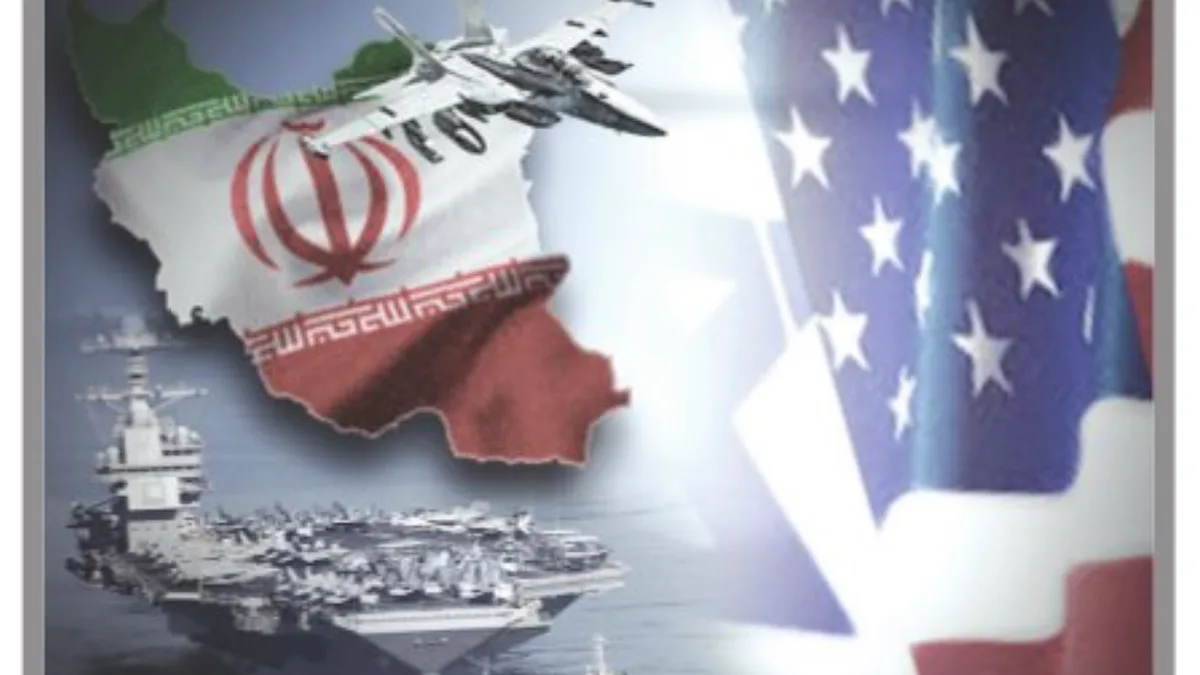
It is after more than 100 days that both President Donald Trump and Iran have announced a peace deal, much to the world’s relief.
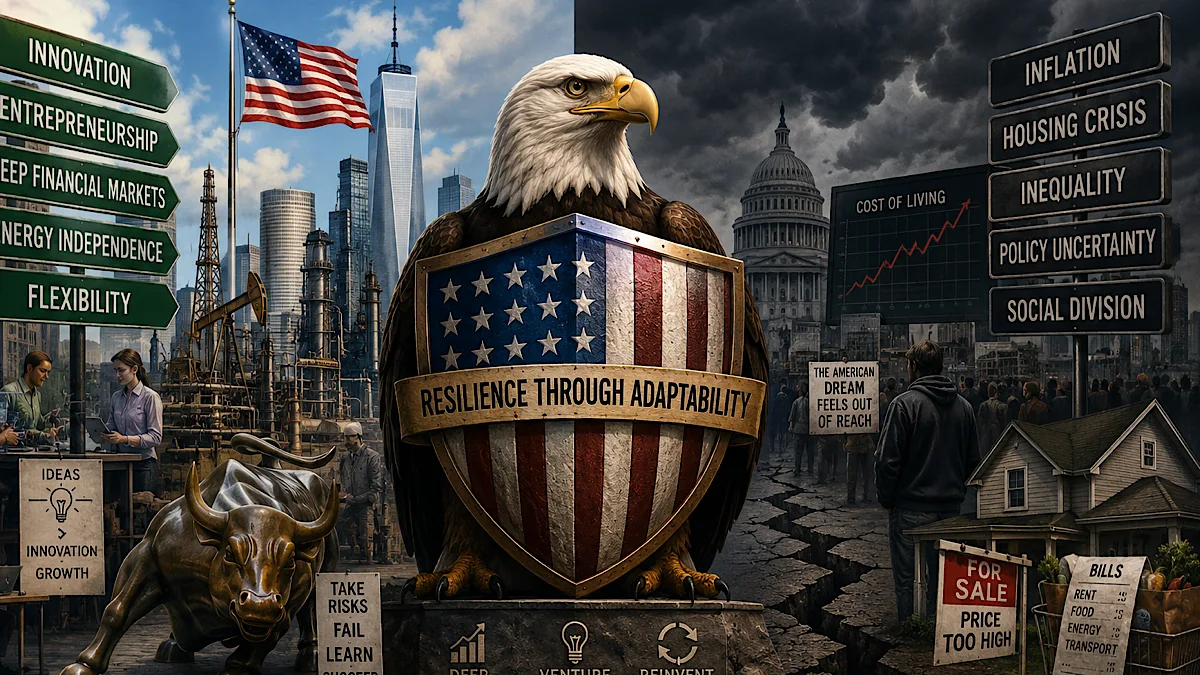
For much of the past year, economists have been waiting for the American economy to stumble. It has been hit by tariffs, labour disruptions, geopolitical tensions and renewed inflationary pressures.
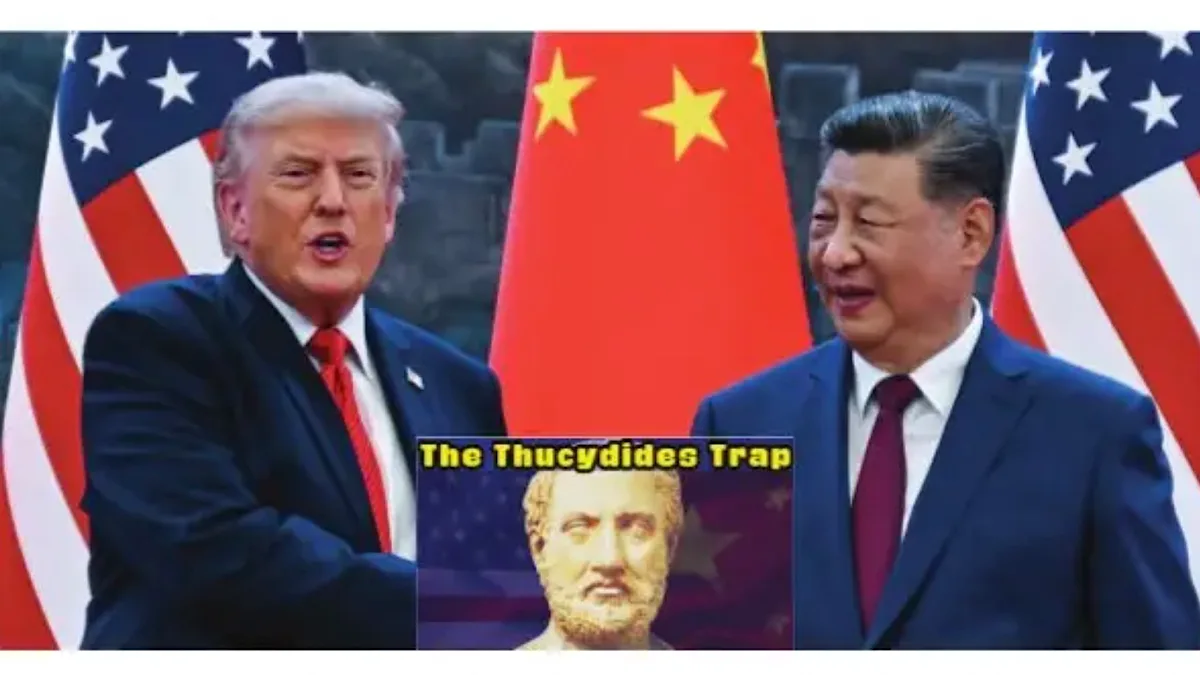
Xi Jinping at his meeting with Donald Trump on 14-15 May 2026 in Beijing referred to the Thucydides Trap, a metaphor that refers to the inherent tensions and perils when an established power is challenged by a rising power.
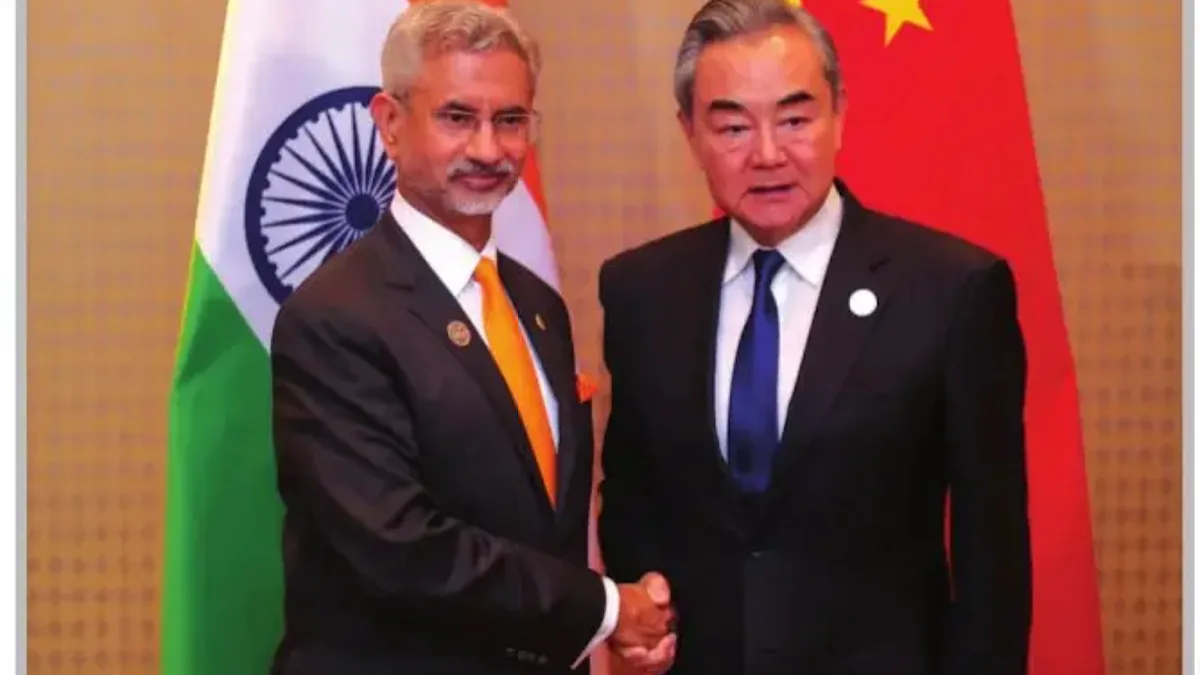
When Donald Trump imposed an additional 25 per cent tariff on Indian goods earlier in August, it reignited speculation about the durability of New Delhi’s ‘strategic autonomy’ discourse.
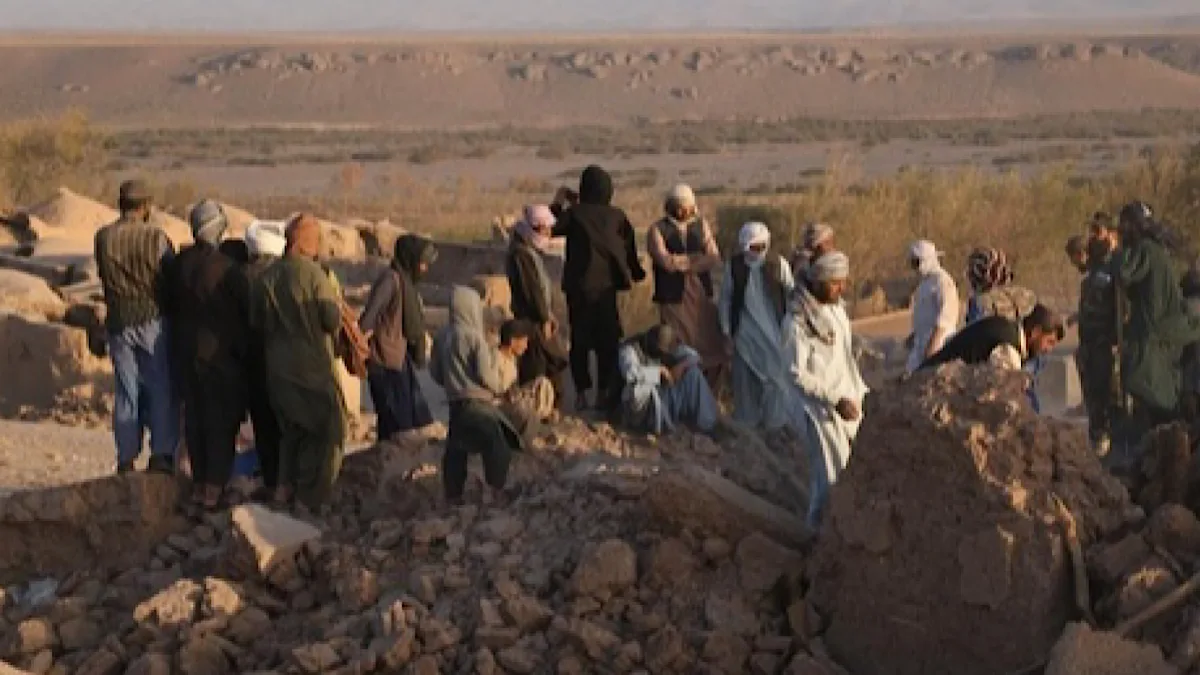
Natural disasters often expose the deepest fractures in a society, and the recent earthquake in eastern Afghanistan has done so with painful clarity.

The announcement of Sergio Gor as Washington’s next Ambassador to India has been met with a mixture of curiosity, unease and only restrained optimism.

When he was contributing to The Emerging World: Souvenir Volume commemorating the 75th birth anniversary of Pt. Jawaharlal Nehru on 14 November 1964, Dr S Radhakrishnan, President of India, wrote “A new world society is gradually emerging.
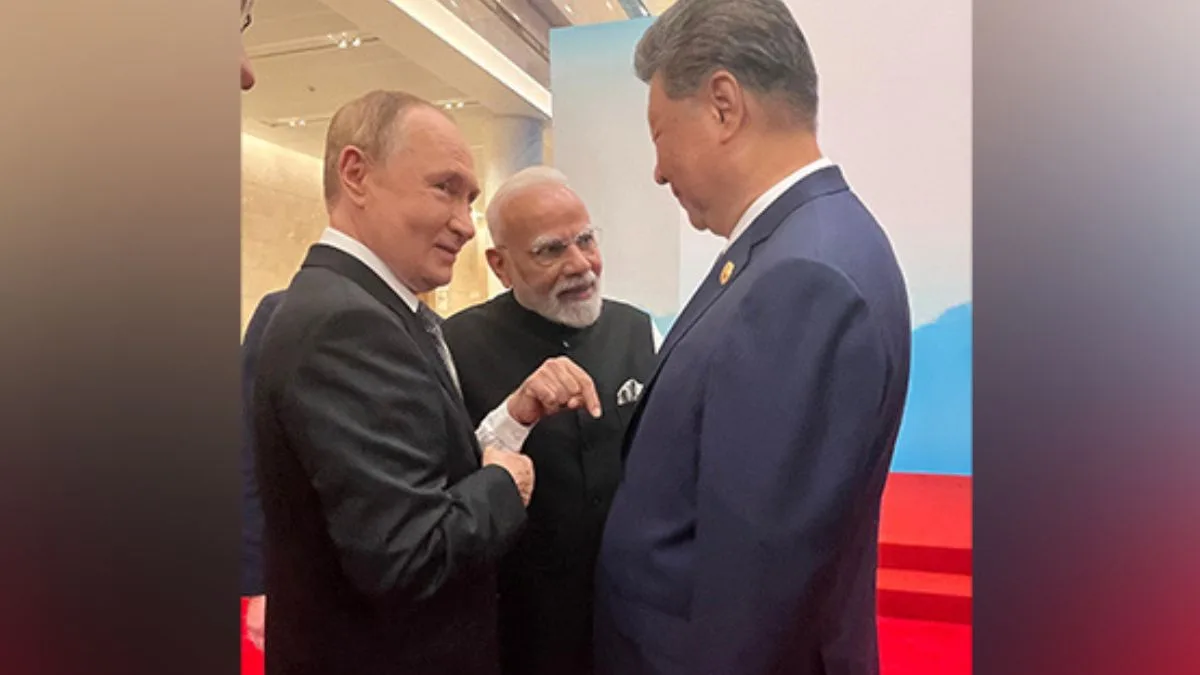
With the passage of time Donald Trump’s Alaska summit appears to not only have failed but also to have displayed a changing world order.