The Compassion Deficit
We live in an age of extraordinary connectivity and unprecedented isolation.
The Statesman editorial, “Monsoon in Peril” (September 12), rightly sounds the alarm on the future of India’s most vital natural system.




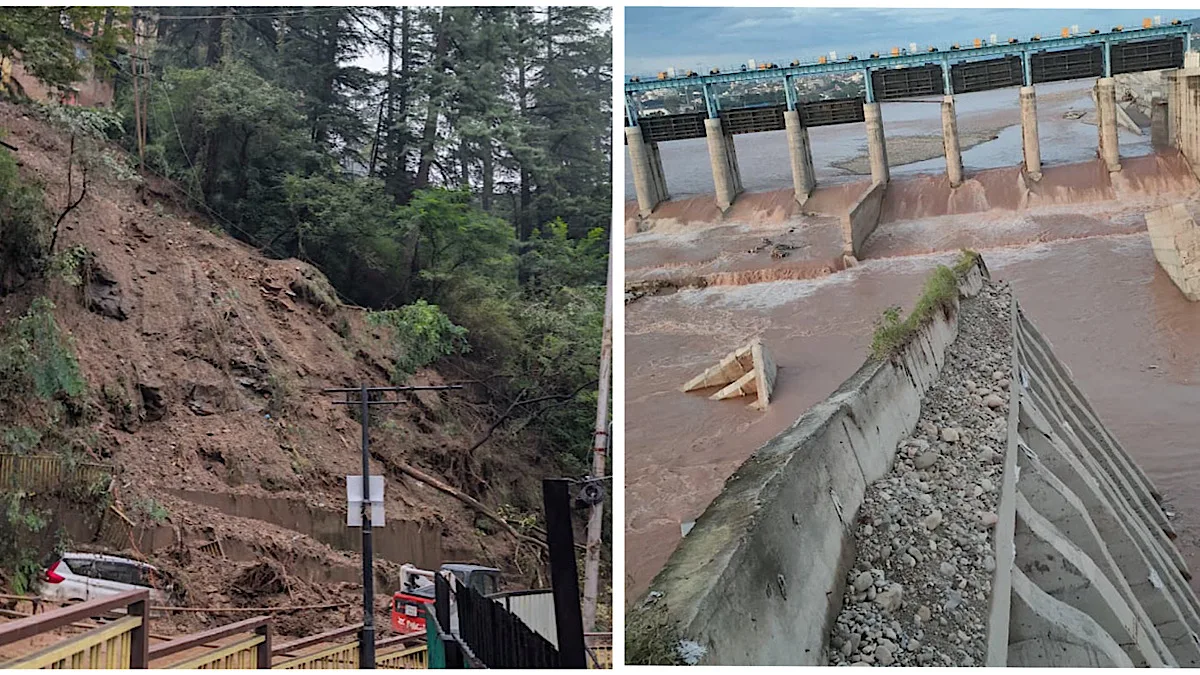
(Photo:Mitali Gautam/SNS)
The Statesman editorial, “Monsoon in Peril” (September 12), rightly sounds the alarm on the future of India’s most vital natural system. For centuries, the south-west monsoon has been the subcontinent’s heartbeat ~ nurturing its fields, filling its rivers, replenishing its groundwater, and dictating the rhythm of rural life. But climate change, rapid urbanisation, and environmental degradation are making this once-predictable cycle increasingly erratic.
The editorial highlights a truth that is no longer confined to academic journals: the monsoon is in peril, and with it the security of millions. To understand why the rains are faltering, it helps to recall how the system works. The Indian monsoon is essentially a vast wind-and-rain engine driven by a contrast: the summer heating of the Asian landmass and the relative coolness of the Indian Ocean. Warm air rises over the land, drawing in moisture-laden winds from the ocean. These winds rise, cool, condense, and fall as rain. For centuries, this system had its ups and downs ~ a strong year, a weak year, a drought here, a flood there.
Advertisement
But overall, its rhythm was steady enough for farmers to trust and for civilizations to thrive. Climate change, however, is unsettling this balance in profound ways. The Indian Ocean has warmed faster than most parts of the world’s seas, changing the very currents that carry rain. This heating alters wind patterns, intensifies cyclones, and delays or disrupts the monsoon’s arrival. Added to this are the Pacific Ocean’s El Niño events – periods of abnormal warming that are becoming more frequent and severe. They disrupt atmospheric circulation and weaken the Indian monsoon.
Advertisement
Meanwhile, shifting jet streams, the high-altitude winds that guide weather systems, are steering monsoon currents away from their usual tracks. Instead of steady rainfall spread over for nearly four months we now experience cloudbursts, flash floods, and long dry spells. The atmosphere’s increased capacity to hold moisture means when it does rain, it often rains too much, too quickly. Glaciers and snowpacks in the Himalayas, which help regulate temperature gradients crucial for monsoon winds, are melting rapidly. This adds uncertainty to an already unstable system.
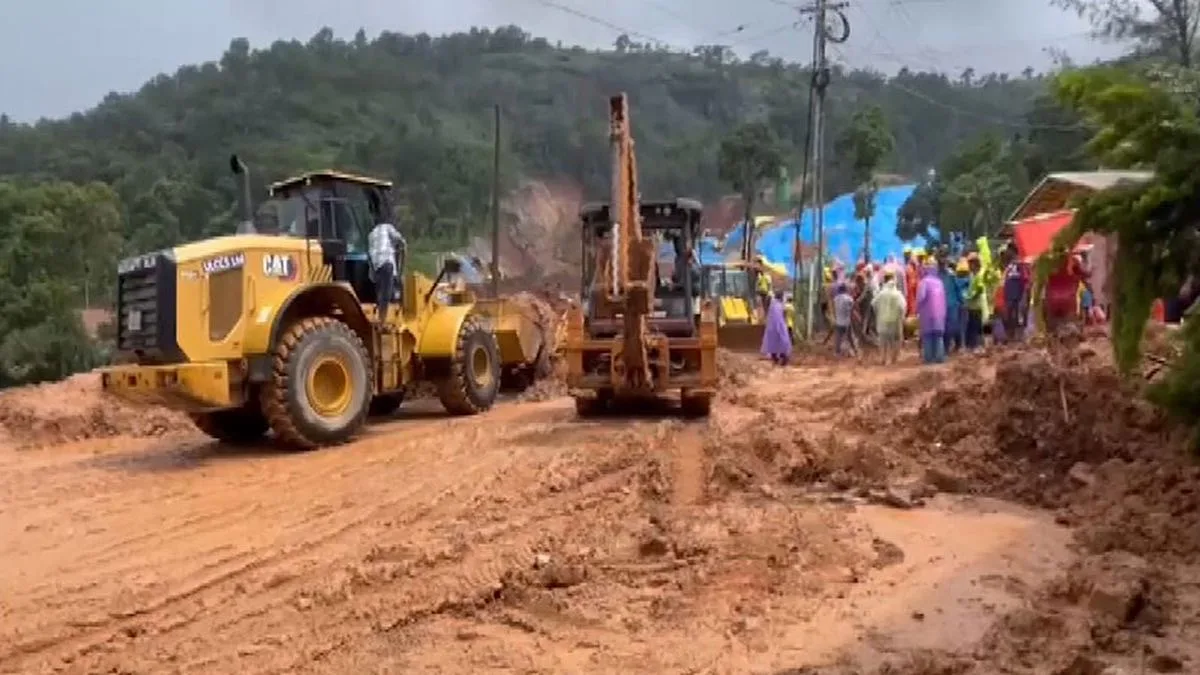
More than half of India’s farmlands are rain-fed, which means a weak or delayed monsoon can devastate crops, trigger rural distress, and fuel migration to already crowded cities. Erratic rainfall also damages soil health, making recovery harder. Food security is directly tied to this cycle. A poor monsoon often translates into higher food prices, hitting the poor the hardest. We may be self-sufficient in grain, but its production remains vulnerable to the timing and distribution of rainfall. Recent monsoon seasons have seen our main cities like Mumbai, Bengaluru, and Chennai reeling under intense downpours. Paved surfaces, clogged drains, and vanished wetlands mean rainfall that once soaked into the ground now rushes through streets, overwhelming civic infrastructure.
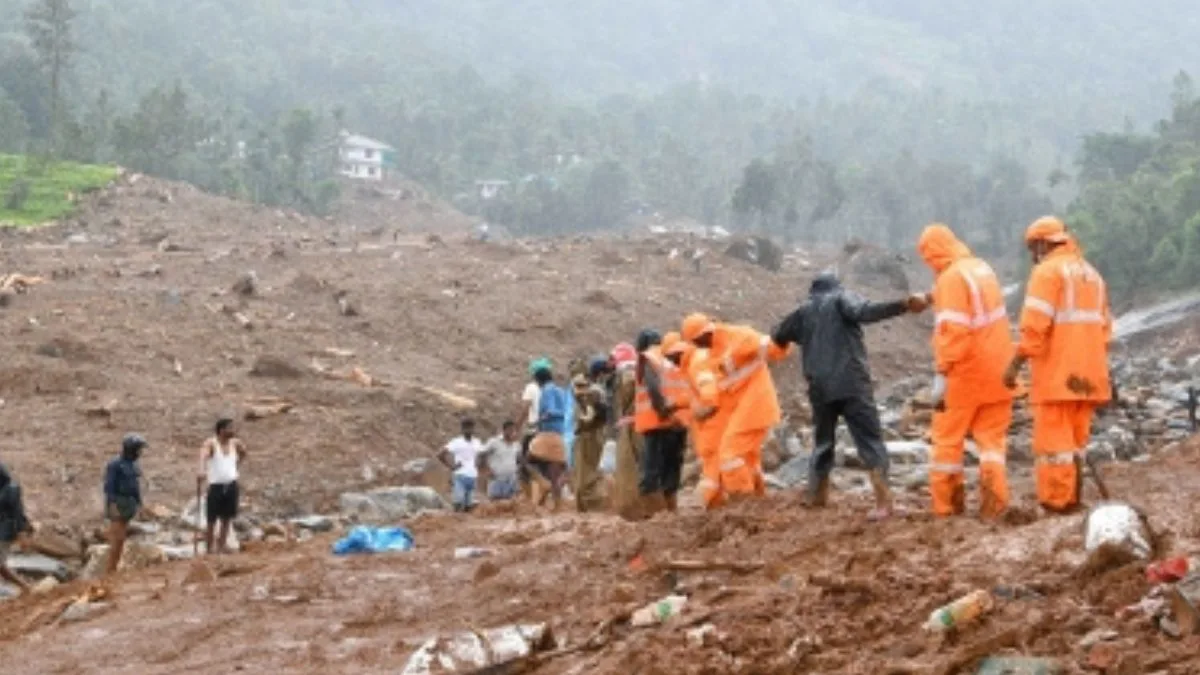
The Chennai floods of 2015, which paralysed the city for days, were a grim reminder of what happens when heavy rain meets fast progress for development. The Kerala floods of 2018, fuelled by unprecedented rainfall, displaced millions and showed how fragile our river basins have become under the twin pressures of climate and intense human indulgence. At the other extreme, drought-prone regions like Marathwada in Maharashtra have seen repeated crop failures because of erratic rainfall, demonstrating that the monsoon’s vagaries can swing from deluge to drought in a matter of weeks. Paradoxically, heavy rainfall does not always mean more water for drinking or irrigation. Short bursts of extreme rain run off quickly, leaving aquifers dry.
This forces communities to dig deeper borewells, depleting groundwater that takes years to recharge. Floods bring water-borne diseases, while dry spells create heat stress, both placing additional burdens on healthcare systems. The peril of the monsoon is not destiny; it is a warning. Nature is signalling that the present ways of managing water, agriculture, and cities will not work in a warmer, more volatile climate. As Tagore wrote, “The highest education is that which does not merely give us information but makes our life in harmony with all existence.” His words remind us that our pursuit of progress should not be at the expense of natural balance. To safeguard the monsoon, we must embrace a model of growth that is in tune with the rhythms of nature.
Indian scientists have made strides in weather forecasting, but the information often misses farmers to act upon. Extensive real-time use of satellite technology and weather data, artificial intelligence, and localised weather stations can provide micro-level advisories. When a farmer knows whether the rain will come next week or next month, sowing decisions become more resilient. At the same time, reviving traditional water wisdom is essential. India once thrived on stepwells, tanks, and ponds that stored rainwater and buffered against extremes. Reviving these practices, alongside modern rainwater harvesting, can help communities cope better. Protecting wetlands and floodplains is vital too, for they act as natural sponges during heavy rains.
Agriculture must also adapt. Diversifying crops, adopting drought-resistant varieties, and promoting efficient irrigation methods such as drip systems can reduce vulnerability. Generous support for climate-resilient farming is crucial to make this transition viable for millions of smallholders. Urban regions must abandon constructions on wetlands, lakes, and riverbeds. The concept of “sponge cities” ~ designed to absorb, store, and reuse rainwater ~ should replace the current models. Upgrading drainage, enforcing zoning laws, and involving citizens in water conservation can mitigate the damage of urban flooding. India cannot, however, solve the monsoon crisis alone.
The monsoon is tied to global climate systems, which means emissions in faraway continents affect rainfall at home. Our policy makers continue to push for global climate action even as it transitions to renewable energy, expands solar and wind power, and explores green hydrogen. Here, Gandhi’s words become more relevant: “The world has enough for everyone’s needs, but not enough for everyone’s greed.” If humanity continues to exploit resources without restraint, the very systems that sustain life ~ including the monsoon ~ may collapse.
Both the governments and the society at large have a role to play. Citizens can adopt rooftop rainwater harvesting, plant trees, and reduce water waste. Communities can revive local ponds, manage solid waste to prevent drain blockages, and persuade the concerned agencies to protect wetlands. Farmers, with proper support, can shift to sustainable practices that reduce dependence on erratic rainfall. Schools and universities should incorporate climate education, ensuring the next generation grows up aware of the risks and responsibilities. As Rachel Carson observed in her landmark work Silent Spring, “In nature nothing exists alone.” The monsoon, forests, glaciers, and rivers are all part of a living system, and protecting one means protecting them all.
The cultural imagination has long linked beauty, nature, and permanence. John Keats famously wrote, “A thing of beauty is a joy forever.” Rivers, rains, fertile lands, and lush forests are precisely such joys, enriching human life across generations. Yet, if exploited recklessly, they will vanish, leaving behind not beauty but barrenness. The challenge before us is to ensure that these natural treasures remain sources of joy, not relics of memory. If the monsoon is India’s heartbeat, climate change is disturbing its rhythm ~ sometimes racing, sometimes faltering.
The Statesman editorial has done well to remind us of this reality. The question before us is whether we treat it as just another headline, or as a call to steady this pulse before it weakens beyond repair. With better science, smarter policies, and stronger community participation, we can ensure that the monsoon ~ though altered ~ remains a blessing rather than a curse. Inaction would be the gravest mistake. For when the rains fail, it is not just fields that lie barren, but futures.
(The writer is ex-ISRO Brahma Prakash Professor, Bangalore)
Advertisement