The Department of School Education and Literacy continues to implement the Centrally sponsored Samagra Shiksha scheme, which aims to provide holistic and inclusive education from pre-primary to class XII. This integrated scheme aligns with the recommendations of the National Education Policy (NEP) 2020 and seeks to ensure quality education with equitable access for all children, taking into account their diverse backgrounds, multilingual needs, and varied academic abilities.
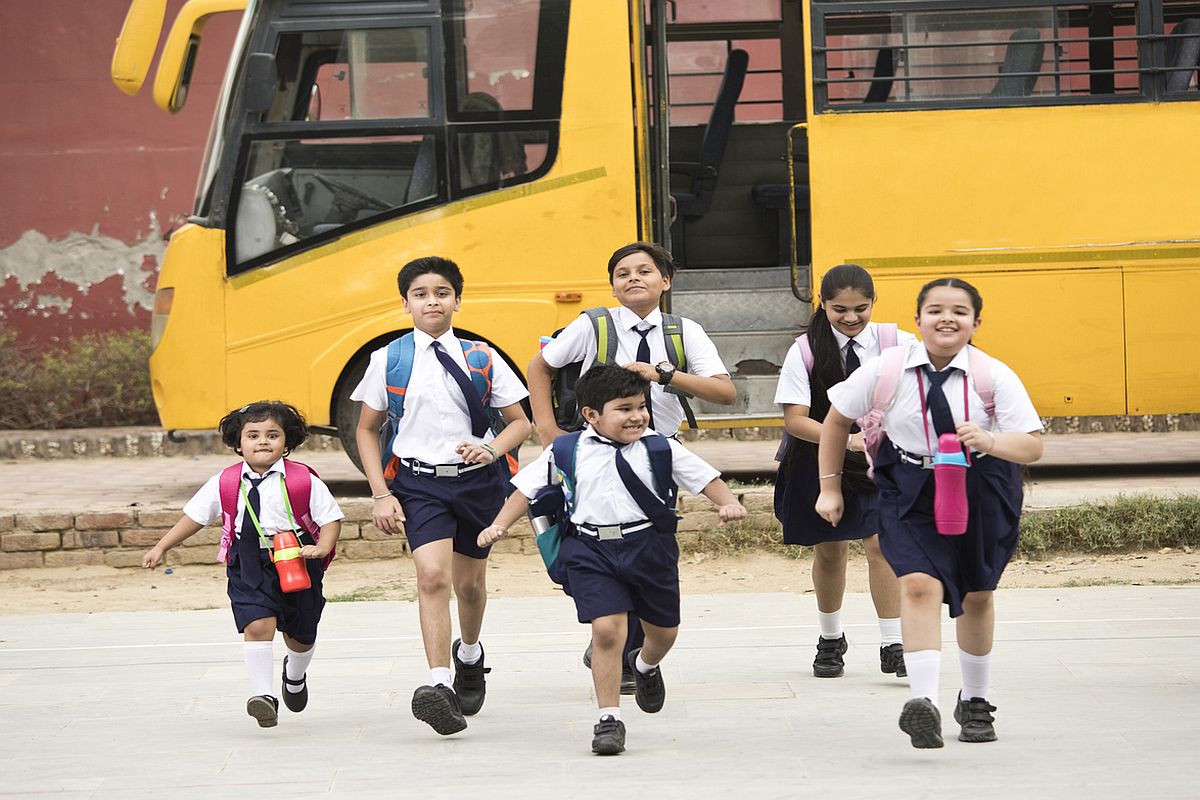
Sharing the information in the Lok Sabha on Monday, Minister of State for Education Jayant Chaudhary said under Samagra Shiksha, financial assistance is extended to states and Union territories (UTs) for several key initiatives, including free uniforms and textbooks at the elementary level, reimbursement under the Right to Education (RTE) Act, development of primers and textbooks in tribal languages, teaching-learning materials, transport and escort facilities up to the secondary level, and various forms of special training for out-of-school children.
Advertisement
The scheme also supports age-appropriate residential and non-residential training, seasonal hostels, and completion of education for out-of-school children (16 to 19 years) through NIOS/SIOS. Additionally, it promotes bilingual teaching materials and holistic progress cards to track student development.
In a significant push for infrastructure development, the scheme provides financial assistance for opening and strengthening new schools up to the senior secondary level, constructing school buildings and additional classrooms, and improving educational facilities in northern border areas under the Vibrant Village Programme. Furthermore, it supports the establishment and operation of Kasturba Gandhi Balika Vidyalayas and Netaji Subhash Chandra Bose Avasiya Vidyalayas, alongside the construction of hostels for Particularly Vulnerable Tribal Groups (PVTGs) and tribal communities under PM-JANMAN and Dharti Aaba Janjatiya Gram Utkarsh Abhiyan.
For children with special needs (CwSN), the scheme offers financial support for identification and assessment, assistive aids and appliances, Braille kits and books, specialized teaching-learning materials, and stipends for girl students with disabilities. To enhance accessibility, schools are being equipped with ramps, handrails, and disability-friendly toilets. The introduction of the Prashast App aims to improve early screening and identification of CwSN, while teacher capacity-building programs under NISHTHA are training educators to better support these students.
The government is also addressing adult literacy through the New India Literacy Programme (NILP), popularly known as ULLAS, targeting non-literate individuals aged 15 and above. Implemented from FY 2022-23 to 2026-27, NILP leverages the ULLAS App to register learners and volunteer teachers, offering learning materials in multiple languages. To date, over 2.20 crore learners and more than 40 lakh volunteer teachers have enrolled through the platform.
To bridge the educational gap between rural and urban areas, digital interventions such as ICT Labs, Smart Classrooms, and PM e-Vidya, including DIKSHA and SWAYAM PRABHA DTH-TV channels, are being supported under the scheme. Additionally, funding is allocated for the development of essential infrastructure, including school buildings, additional classrooms, science labs, computer rooms, libraries, and electrification.
The scheme operates through a collaborative approach, with States and UTs preparing Annual Work Plans and Budgets (AWP&B) based on their educational priorities. These plans are then appraised and approved by the Project Approval Board (PAB) within the Department of School Education & Literacy, ensuring alignment with the scheme’s objectives and financial provisions.