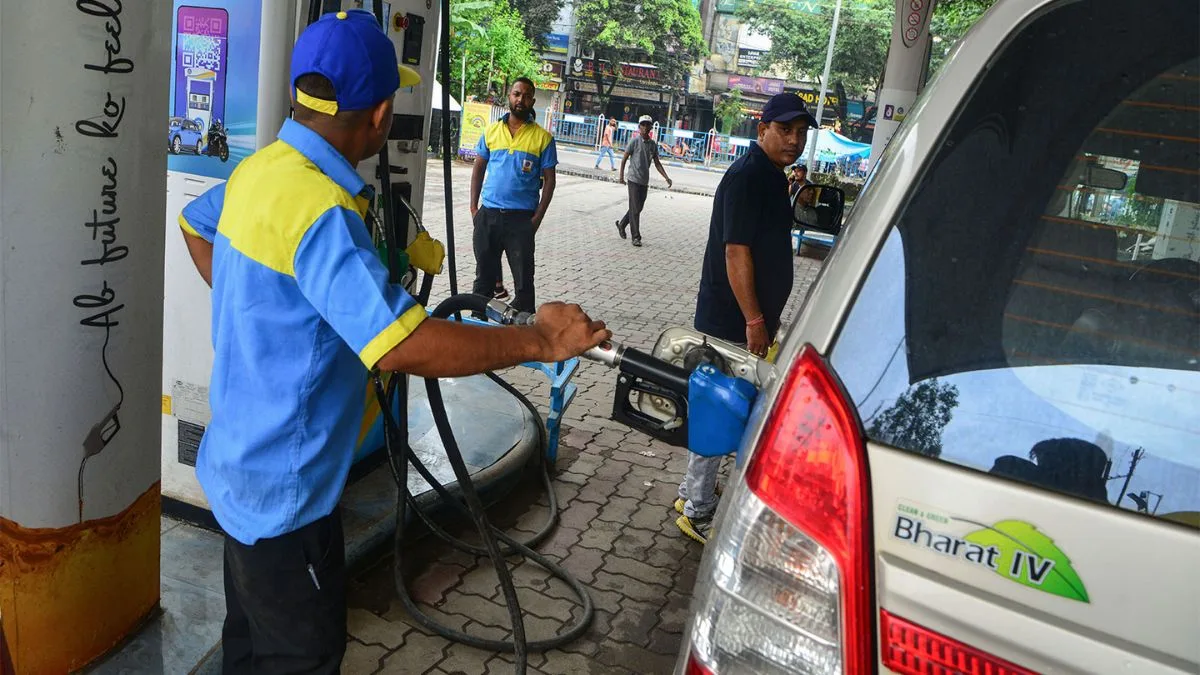
A consumer disputes commission in Chhattisgarh’s Raipur has directed a car manufacturer to provide a brand-new vehicle to a customer after concluding that the complainant’s car was not compatible with E20 petrol and suffered serious engine damage.
The ruling comes at a time when concerns over the nationwide rollout of E20 fuel continue to generate debate. The Commission held both the vehicle manufacturer and the dealer responsible for the deficiency in service and laid down financial consequences if the replacement is not provided.
Advertisement
Consumer panel orders replacement or full refund
According to the order, the manufacturer, Maruti Suzuki, must replace the complainant’s vehicle with a new one. If it fails to do so, it has been directed to refund the vehicle’s full purchase price of Rs 20.50 lakh.
The Raipur District Consumer Disputes Redressal Commission also ordered the manufacturer and the dealer to jointly pay Rs 1 lakh as compensation for mental harassment and Rs 10,000 towards litigation expenses. The total liability under the order comes to around Rs 21.60 lakh.
The Commission has given the opposite parties 45 days to comply. It said a 7 per cent annual interest would apply to the amount in case of non-compliance within the stipulated period.
The order is being viewed as a significant consumer rights decision as India expands the use of ethanol-blended petrol.
The dispute comes against the backdrop of the Centre’s rollout of E20 petrol, a fuel blended with 20 per cent ethanol.
The policy is intended to reduce crude oil imports and cut emissions. However, it has also triggered concerns over reduced mileage, possible engine damage in older vehicles and the absence of fuel options at retail outlets.
Kejriwal seeks review of E20 rollout
Separately, Aam Aadmi Party National Convenor Arvind Kejriwal has written to Prime Minister Narendra Modi, urging the Centre to reconsider the rollout of E20 petrol for vehicles that were not designed to run on the blended fuel.
In his letter, Kejriwal alleged that owners of vehicles manufactured before 2023 were facing lower fuel efficiency, faster engine wear and higher maintenance costs. He also called for petrol pumps to offer consumers a choice between pure petrol and E20 fuel and sought a lower price for E20, arguing that its lower calorific value affects mileage.
Centre cites logistical challenges
On July 10, the Centre responded to concerns over the absence of multiple fuel options by saying that supplying pure petrol, E10 and E20 simultaneously across the country would pose major operational and logistical challenges.
The government said the transition to E20 followed consultations with automobile manufacturers, testing agencies and other stakeholders. It said the decision was supported by technical evaluations covering vehicle compatibility, engine performance, emissions and fuel efficiency.
The Ministry also maintained that India’s fuel distribution network is not designed to handle multiple nationwide base fuel streams at the same time.