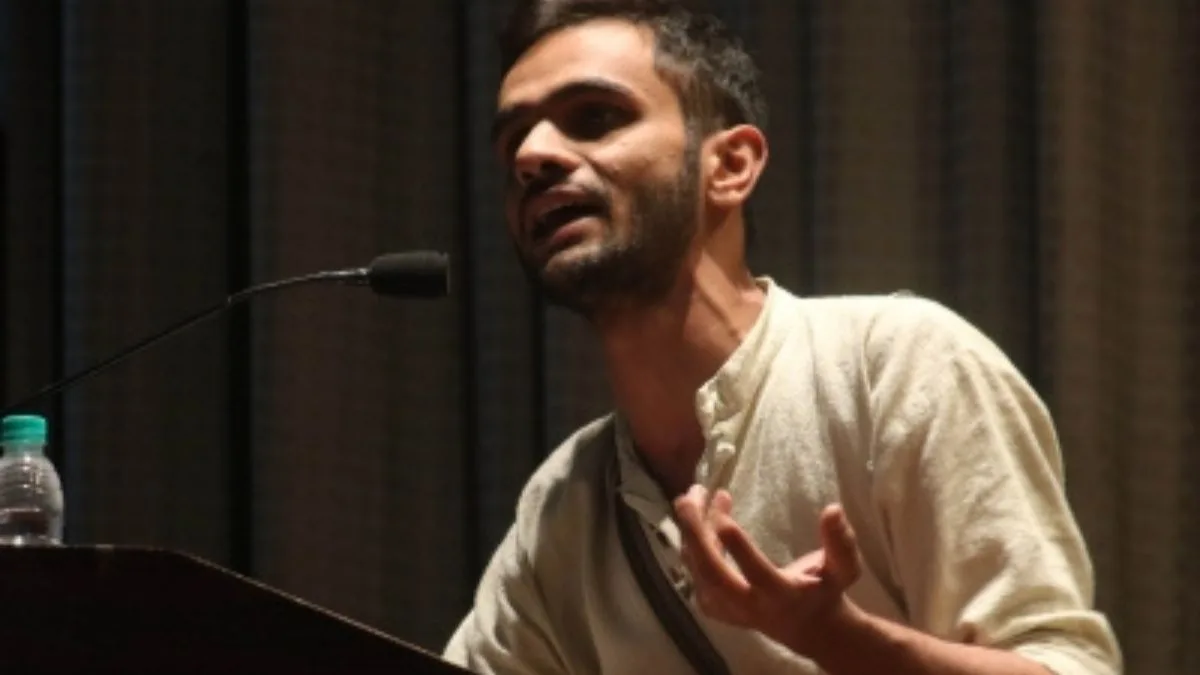
The Delhi Police on Thursday opposed before the Supreme Court the bail petitions of Umar Khalid, Sharjeel Imam, Gulfisha Fatima, Meeran Haider, and Shifa-ur-Rehman, in the 2020 north-east Delhi riots, maintaining that the offences stemmed from a deliberate and coordinated conspiracy aimed at “destabilising the State”.
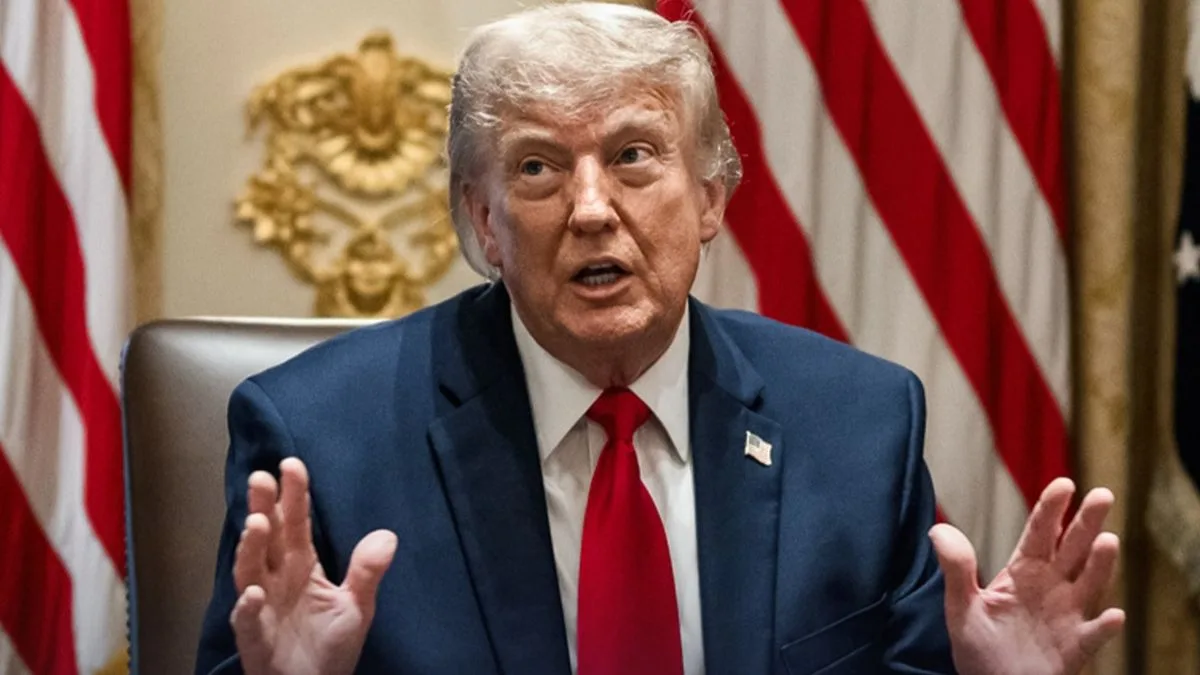
In an affidavit, the police described the riots as a “deep-rooted, premeditated, and orchestrated conspiracy,” asserting that they were timed to coincide with the visit of the then US President Donald Trump to India. The timing, it said, was intended “to attract international media attention” and portray the Citizenship Amendment Act (CAA) as an instrument of persecution against the Muslim community.
Advertisement
“The materials on record, including chats referencing US President Donald Trump, establish beyond doubt that the conspiracy was pre-planned to coincide with his official visit. The purpose was to internationalise the CAA issue by portraying it as a pogrom against the Muslim community in India,” the affidavit stated.
The police further described the CAA as having been deliberately chosen as a radicalising catalyst, disguised in the name of peaceful protest. The issue of CAA, the affidavit says, was “carefully chosen to serve as a “radicalising catalyst” camouflaged in the name of “peaceful protest”.
According to the affidavit, the conspiracy resulted in the death of 53 people, large-scale destruction of public property, and the registration of 753 FIRs in Delhi alone. “The deep-rooted, premeditated and pre-planned conspiracy hatched by the petitioners resulted in death of 53 persons, large-scale damage of public property leading to registration of 753 FIRS in Delhi alone”, says Delhi police.
“Evidence on record suggests that this conspiracy was designed to be replicated across the country,” the affidavit added.
The affidavit was filed in response to bail pleas by the accused challenging the September 2, Delhi High Court’s order refusing them bail in the UAPA case connected to the alleged wider conspiracy behind the riots.
Delhi police claimed that “Ocular and irrefutable documentary as well as technical evidence against the petitioners showing their intrinsic, deep-rooted and fervent complicity in engineering nation-wide riots on communal lines”.
“The conspiracy hatched, nurtured, and executed by the petitioner was to strike at the very heart of the sovereignty and integrity of the country by destroying the communal harmony; instigating the crowd not only to abrogate public order but to instigate them to an extent of armed rebellion,” the affidavit alleged.
The police also described the protests as a form of “Regime Change Operation,” arguing that in offences which threaten national integrity, “jail and not bail” must remain the governing principle. the affidavit alleged. “The international theory developed in the past few years has termed these kinds of organised/sponsored protests as ” Regime Change Operation(s)”.
It further asserted that the accusations against the petitioners are “prima facie true” and that they have failed to rebut the presumption under the UAPA. “Given the extreme gravity of the offences, bail cannot be granted merely on the ground of delay, particularly when the petitioners themselves are responsible for it,” the affidavit stated.
The police contended that the accused had “abused the judicial process” and repeatedly delayed proceedings. The delay which has occurred in the commencement of trial is solely attributable to the petitioner. Both the Hon’ble High Court as well as the special court has given judicial findings after findings, elaborating, as to how the petitioners working in tandem have not allowed the charge to be framed in the matter,” it said.
Earlier this week, the Supreme Court had asked the investigating agency to examine whether those who have remained in custody for nearly five years as undertrials could be considered for release on bail.
The Delhi High Court, on September 2, had dismissed the bail applications of Khalid, Imam, and seven others, noting that their alleged roles were “grave” and their speeches “inflammatory.” It observed that the riots were not a spontaneous outbreak but “a planned conspiracy with a sinister motive.”
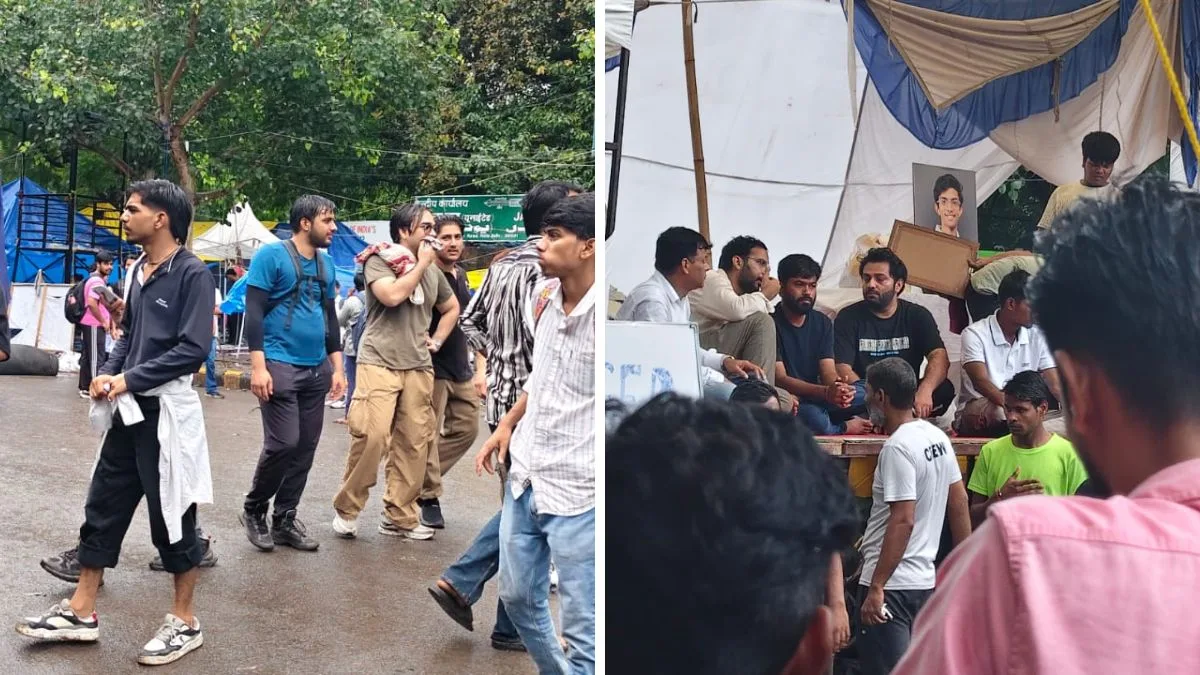
The violence, which erupted during protests against the Citizenship Amendment Act (CAA) and the National Register of Citizens (NRC), left 53 people dead and more than 700 injured.