Explained: Why JP Nadda has become the Centre’s face to deal with CJP agaitation
Government sources said JP Nadda’s selection reflected both his stature and his reputation as a consensus-builder capable of handling sensitive situations.
Around 250-300 protesters remained at Jantar Mantar, where student groups voiced concern that talks with the Centre could weaken the agitation’s original demands.




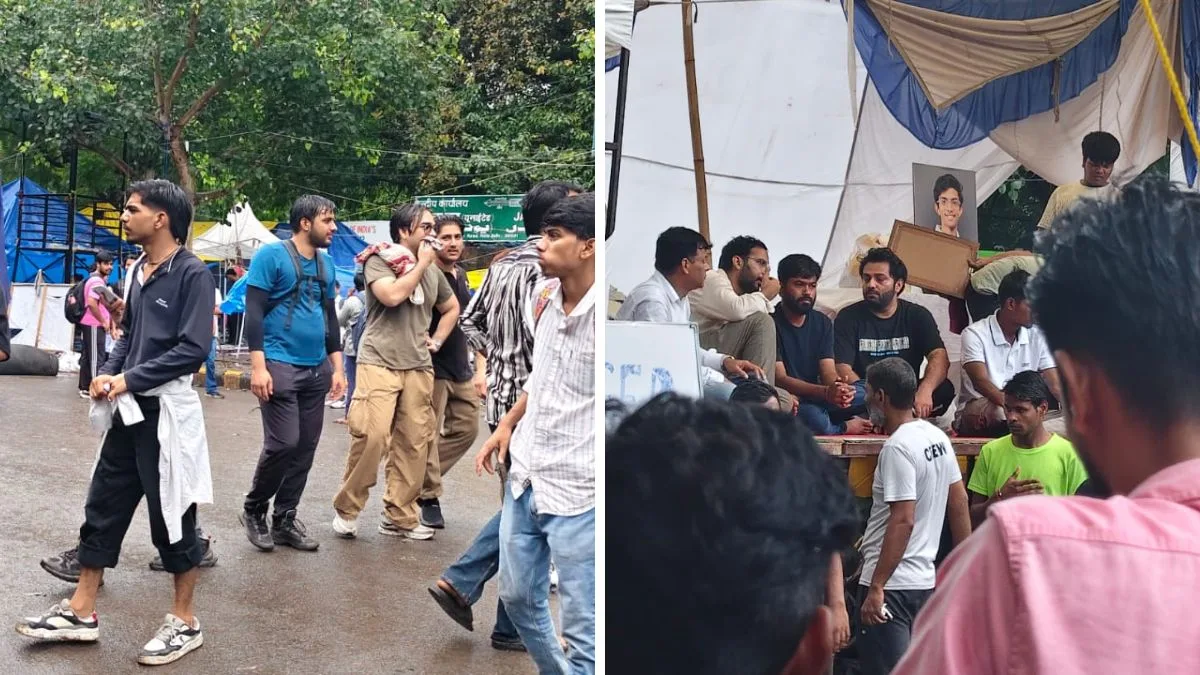
A smaller gathering of students and CJP supporters is seen at Jantar Mantar on Tuesday, a day after violent clashes erupted during the protest march towards Parliament. Student groups also expressed unease over the CJP leadership's meeting with Union Health Minister JP Nadda.
A day after the march to Parliament erupted into violence, Jantar Mantar wore a quieter look on Tuesday as the protest over the alleged NEET-UG paper leak drew only a few hundred demonstrators.
People at the site estimated the crowd at around 250-300, far smaller than Monday’s mobilisation.
Advertisement
The crowd largely comprised students from Delhi University and Jawaharlal Nehru University, along with supporters of the Bhim Army.
Advertisement
While slogans continued intermittently, the atmosphere remained subdued compared with Monday’s protest march towards Parliament.
Bhim Army supporters repeatedly raised “Jai Bhim” slogans, while organisers from the Cockroach Janata Party (CJP) encouraged participants to raise “Bharat Mata Ki Jai” instead in an apparent attempt to project a broader, united front.
The protest site also reflected signs of disagreement within the movement after a CJP delegation met Union Health Minister JP Nadda on Monday.
According to people present at Jantar Mantar, several student participants expressed dissatisfaction over the meeting, viewing it as a dilution of the protest’s stand against the government.
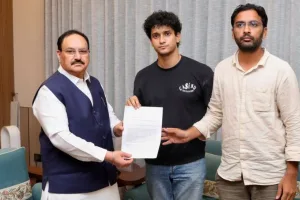
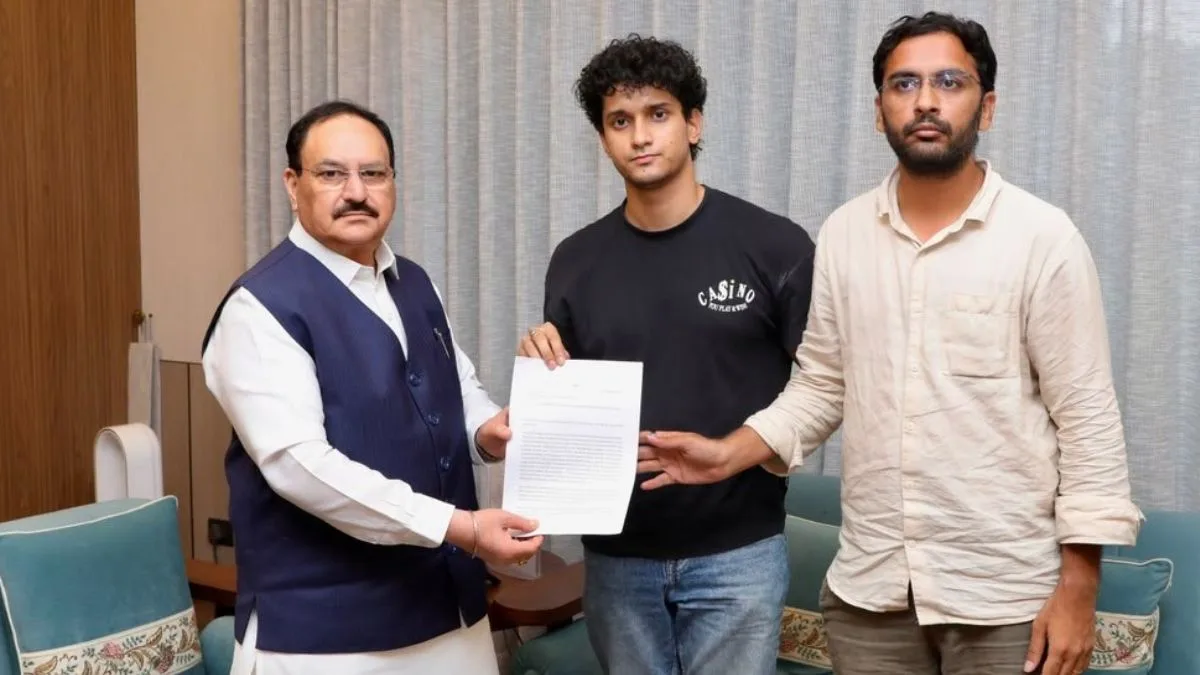
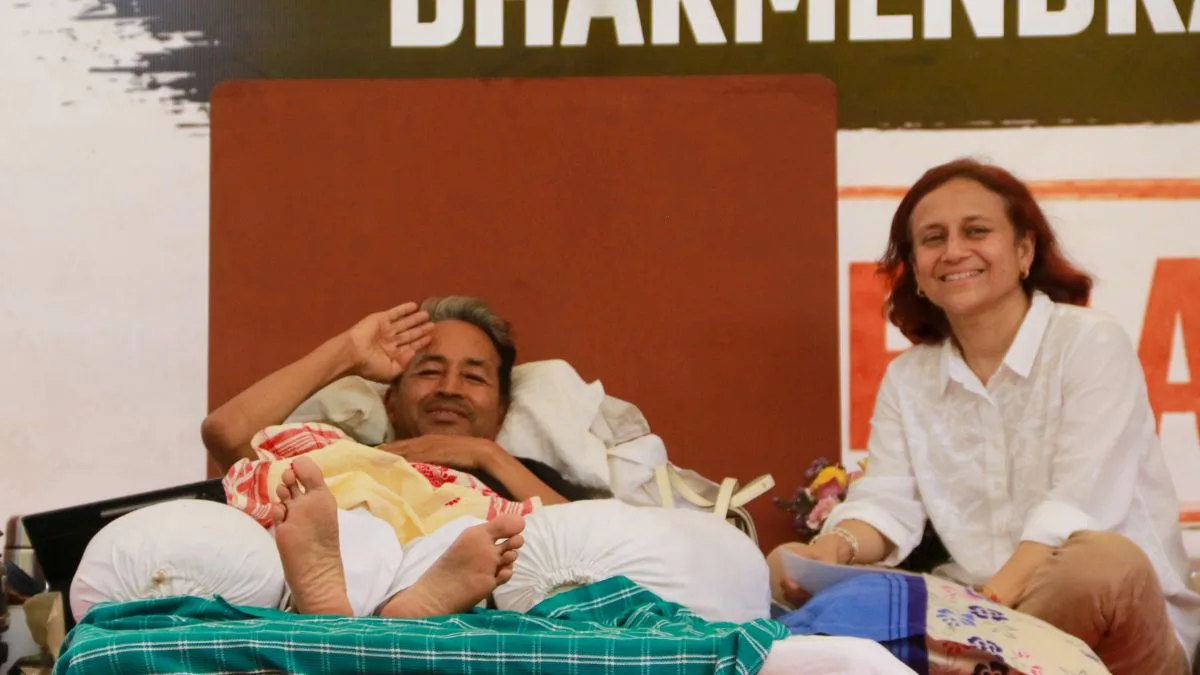
The development comes a day after Union Health Minister JP Nadda said the protesters had, for the first time, initiated a proposal for talks with the government. Following the meeting, CJP leaders said they had reiterated their demands, including the resignation of Union Education Minister Dharmendra Pradhan, compensation for families of students who allegedly died by suicide, and the immediate release of climate activist Sonam Wangchuk.
आज सुबह पहली बार प्रदर्शनकारियों की ओर से सरकार के साथ बातचीत करने का प्रस्ताव आया और सुबह 11:50 AM से ही हमारी बातचीत जारी है।
सौहार्दपूर्ण वातावरण में मुलाकात हुई। उनके डेलीगेशन के साथ विस्तार से पहले मौखिक चर्चा हुई और उनके द्वारा लगभग 4 बजे मुझे लिखित याचिका दी गई।
मैंने… pic.twitter.com/HLCl20RBSp
— Jagat Prakash Nadda (@JPNadda) July 20, 2026
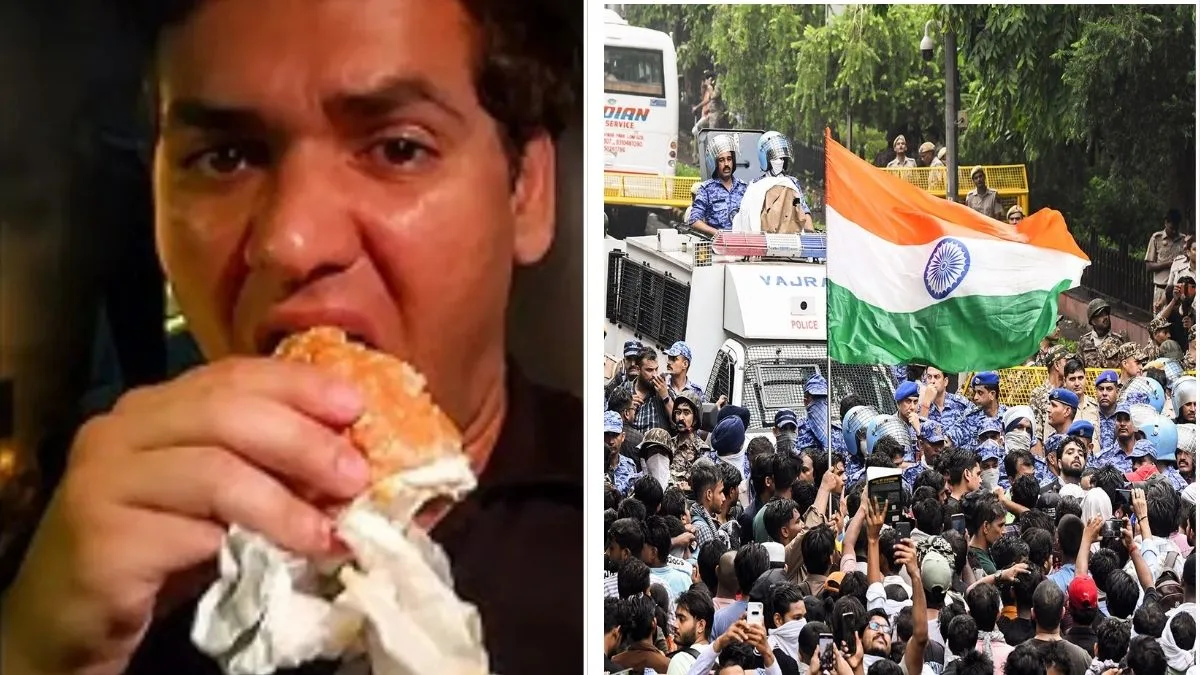
Monday’s protest had turned violent after demonstrators attempted to march towards Parliament despite prohibitory orders. Delhi Police said more than 118 police personnel were injured during the clashes and several government vehicles were damaged. Police also detained dozens of protesters and initiated legal action under relevant provisions of the Bharatiya Nyaya Sanhita.
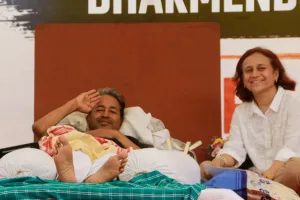
Climate activist Sonam Wangchuk, who has been on a hunger strike over the issue, continues to receive treatment at Safdarjung Hospital, where doctors have said his condition remains stable.
Advertisement