Assam’s demographic reckoning
When Assam Chief Minister Himanta Biswa Sarma tells audiences that his state faces an “existential” demographic threat, he is not reaching for hyperbole in a vacuum.
He assured that the government would issue an appropriate notification “at the earliest.”





File Photo: IANS
Assam Chief Minister Himanta Biswa Sarma has said that the long-standing dispute over caste certificates for the state’s tea tribe and Adivasi communities has been amicably resolved following discussions with the Assam Tea Tribe Students’ Association (ATTSA) and the All Adivasi Students’ Association of Assam (AASAA).
He assured that the government would issue an appropriate notification “at the earliest.”
Advertisement
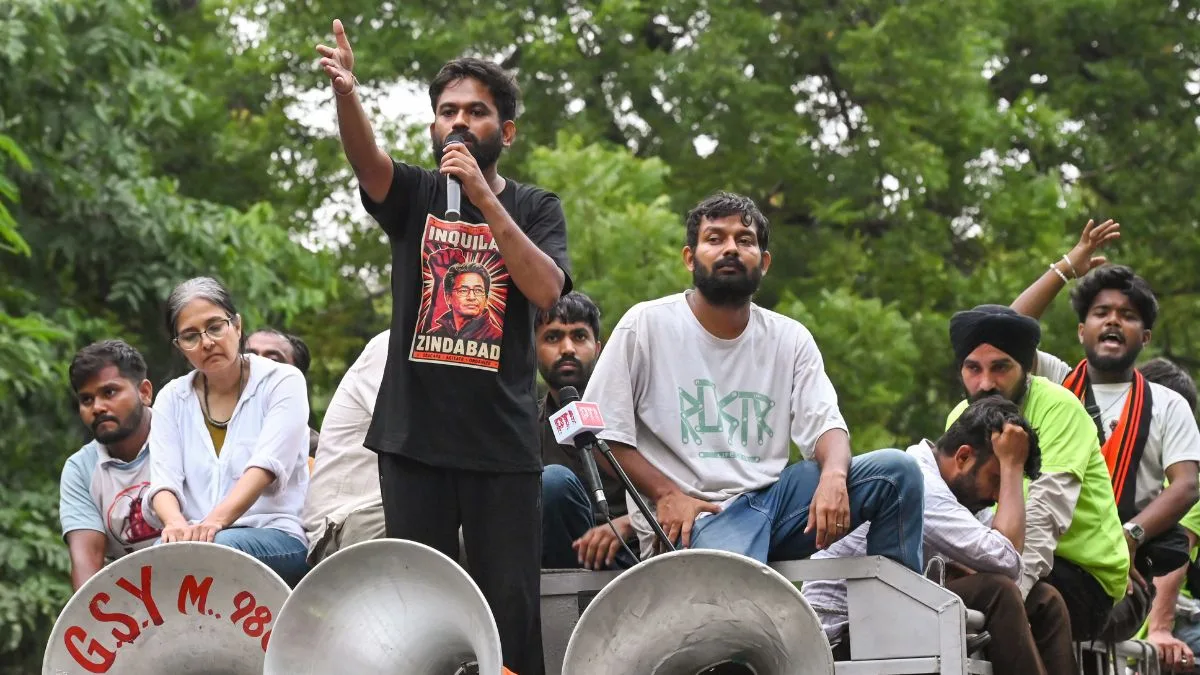
The announcement comes just days after hundreds of AASAA members blocked NH-37 at Makum in Tinsukia district, demanding caste certificates that reflect their specific Adivasi identities rather than the broad categories currently in use.
Advertisement
At present, the government issues Other Backward Class (OBC) certificates under four heads — tea garden labourers, tea garden tribes, ex-tea garden labourers, and ex-tea garden tribes.
Community leaders argue that this framework erases the distinct cultural and historical identities of more than 100 groups within the tea tribe and Adivasi population, including Santhal, Oraon, Munda, Kharia, Bhumij, Teli, Tanti, Kurmi, Karmakar, Mahato, Nagbansi, Kanika, and Rajgarh.
“Our communities have rich histories that cannot be merged into such generic labels,” an AASAA leader said during the protest, warning that failure to act could have political consequences for the BJP ahead of the next state elections.
The demonstration in Tinsukia ended with a memorandum to the local administration, but AASAA leaders vowed to intensify their agitation if concrete steps are not taken soon.
The demand for recognition of individual caste identities is not new. The Adivasi and tea tribe communities, descendants of labourers brought by the British from central India to work in Assam’s plantations, have long complained of neglect.
They have been demanding Scheduled Tribe (ST) status for decades, arguing that their socio-economic conditions are among the poorest in the state. Successive governments, however, have failed to deliver on this promise, making the question of caste certification a politically sensitive issue.
With the Adivasi community emerging as a decisive force in Assam’s electoral landscape — particularly in Upper Assam districts where they hold sway in dozens of constituencies — the Chief Minister’s announcement is seen as an attempt to ease tensions and consolidate support before the next Assembly polls.
While the resolution has temporarily calmed the situation, community leaders say they will wait for the official notification to judge whether the government has genuinely addressed their demand for recognition of specific caste identities.
Advertisement