‘E20 is a widely tested, verified’: Hardeep Singh Puri rejects claims against E20 fuel
The Union Minister claimed that a misinformation campaign had intensified after the rollout of E85-compatible vehicles.
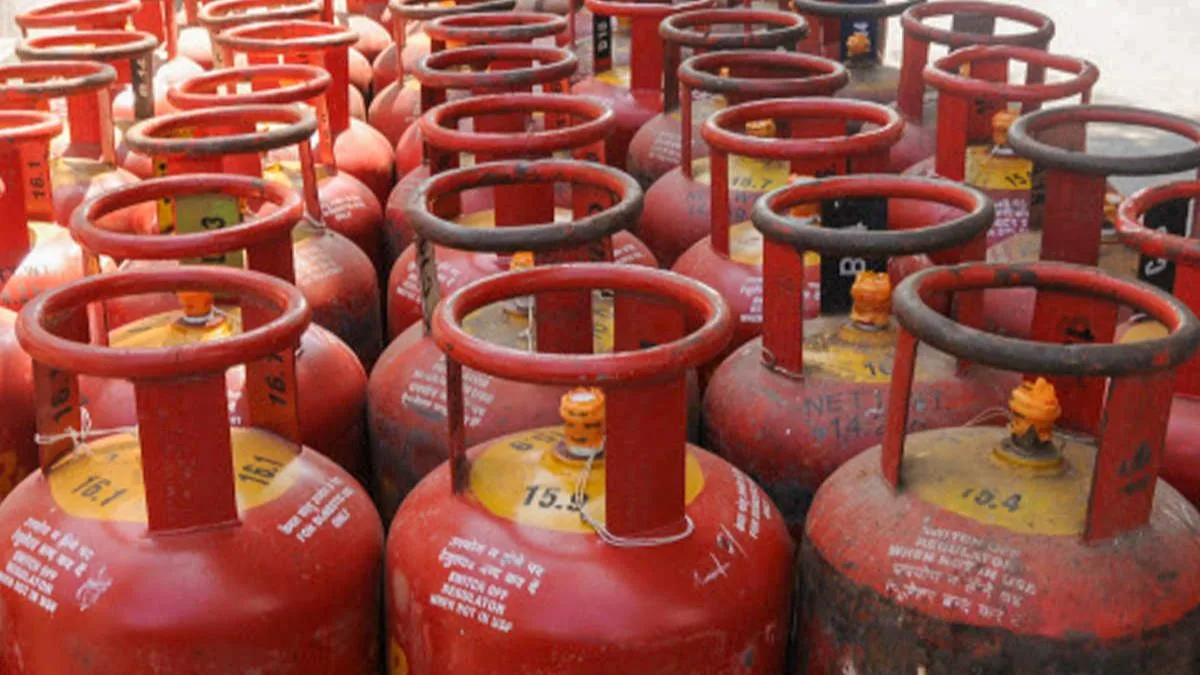
The latest increase takes the price of a standard 14.2-kg domestic LPG cylinder in Delhi to Rs 942, up from Rs 913. The revision comes as domestic OMCs continue to grapple with rising import costs and mounting losses on subsidised household fuel supplies.




File Photo: IANS
Households across the country will now pay more for cooking gas cylinders from today as domestic LPG prices have been raised by Rs 29 per cylinder, marking the second upward revision since the outbreak of the West Asia conflict triggered volatility in global energy markets.
The latest increase takes the price of a standard 14.2-kg domestic LPG cylinder in Delhi to Rs 942, up from Rs 913. The revision comes as domestic oil marketing companies continue to grapple with rising import costs and mounting losses on subsidised household fuel supplies.
Advertisement
The fresh hike follows an earlier increase of Rs 60 per cylinder announced in March, when tensions in West Asia began exerting pressure on international fuel prices and disrupted supply chains across key energy-producing regions.
Advertisement
Reports citing industry sources indicated that despite the March revision, oil marketing companies continued to incur substantial losses on every domestic LPG cylinder sold.
Before the latest increase, public sector fuel retailers were reportedly losing around Rs 703 per cylinder due to the widening gap between international procurement costs and domestic selling prices.
The additional Rs 29 increase is expected to provide some relief to the companies. However, reports suggest that the losses have not been completely neutralised, with elevated global prices continuing to weigh heavily on the sector.
The cooking gas hike comes at a time when consumers have already witnessed a series of fuel price increases over the past few weeks.
Petrol and diesel prices have risen cumulatively by around Rs 7.50 per litre since mid-May, while compressed natural gas (CNG) rates have increased by nearly Rs 6 per kilogram during the same period.
The broader trend reflects the impact of continuing uncertainty in international energy markets, where geopolitical developments have pushed up the cost of crude oil and related petroleum products.
The ongoing crisis in West Asia remains one of the key factors influencing global fuel prices. Any disruption in supply from the region has a direct impact on countries such as India, which depend heavily on imported energy resources.
Higher international LPG and crude oil prices have increased the financial burden on domestic fuel retailers, prompting repeated adjustments in retail rates over the past few months.
With global energy markets showing little sign of immediate stability, industry observers believe fuel pricing will continue to remain closely tied to developments in West Asia and international commodity markets in the coming months.
Advertisement