The Quintessential Snack
A popular appetizer at weddings and other ceremonial events, this 'comfort snack' chimes well with piping hot tea to enliven brainstorming sessions and animated conversations.
It’s been at royal banquets. It’s been on railway platforms. It’s been in a Bradford kitchen breaking world records. The samosa contains multitudes.




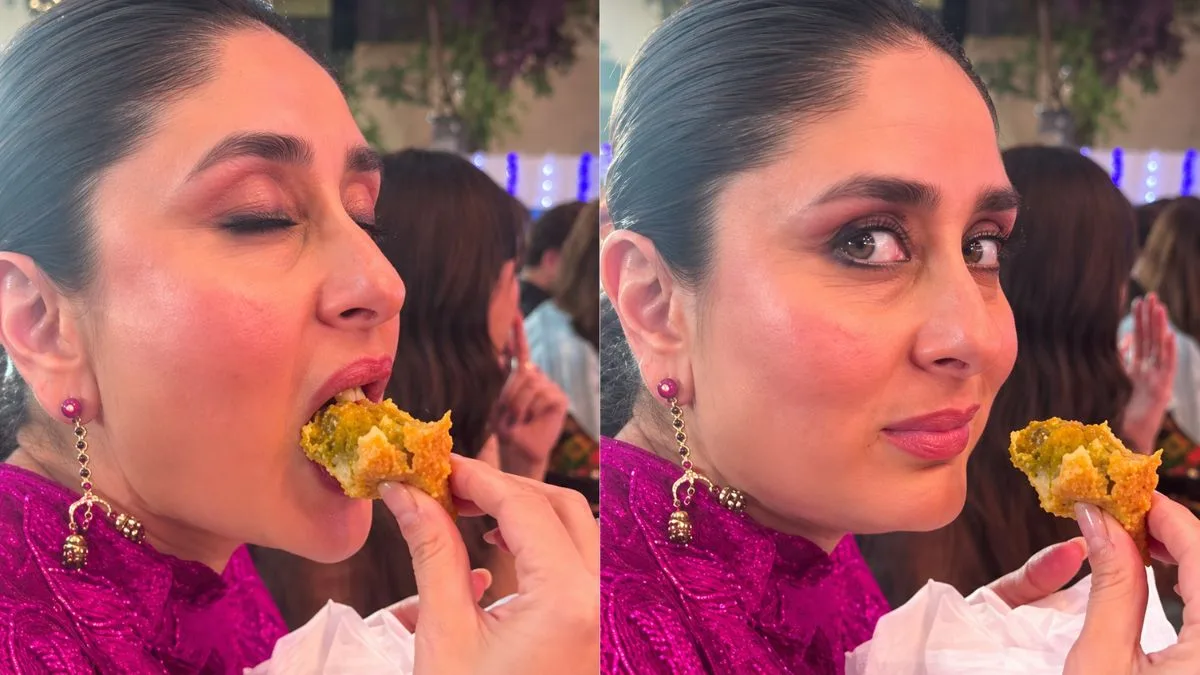
Royalty can resist anything except a fresh samosa.
There is a small, triangular pastry that has survived empires, crossed deserts, sailed oceans, and somehow ended up in a gas station in Texas. The samosa is having a moment. Actually, it is having a millennium. And right now, in 2026, its global takeover feels more complete than ever before.
Most people assume the samosa is deeply, purely Indian. It is not. The story starts much earlier and much further away.
Advertisement
The samosa’s origin traces back to the ancient Persian Empire, where it was known as sanbosag. Historical records from 11th century describe early versions as small, triangular pastries filled with minced meat, nuts, dried fruits. They were popular among merchants and travellers because it was nutritious, portable, held up well on long journeys. Essentially, samosa was world’s first road-trip snack.
Advertisement
During the 13th century, the samosa was introduced to the Indian subcontinent with the arrival of Persian merchants and invaders. India, being India, took the idea and ran with it spectacularly. The meat filling gave way to spiced potatoes and peas. The spice profile got bolder. The pastry got crispier. What emerged was the golden, crackling masterpiece we know today.
Then the diaspora did what diaspora always does. Indian emigrants brought their culinary traditions to Africa, the Caribbean, and Southeast Asia. In Kenya and Tanzania, samosas have seasoned meat and they call it Sambusa. In Portugal, the same snack goes by chamuça. In Central Asia, it is still called samsa, after the pyramids the shape resembles. One snack, dozens of names, a planet full of fans.
Let’s talk figures, because they are wild.
A 2023 study by the Food and Beverage Council of India found that samosas are consumed on average 3.2 times per week by urban Indians, higher than any other fried snack. That beats vada pav, bhel puri, and even dosas. For a country of 1.4 billion people, that is a staggering volume of pastry being fried every single day.
Globally, the market is catching up fast. Asia Pacific region leads global samosa market accounting for over 55% of total global market value in 2024 according to IMARC Group estimates. But demand is rising everywhere, driven by urbanisation, busier lifestyles, growing appetite for street food culture in Western markets.
Growth of the retail frozen snack market and online shopping platforms has significantly increased the availability of samosas. You can now order them to your door, find them in airport lounges, pick them up at supermarkets, and increasingly, encounter elevated versions of them at restaurants that would not have touched Indian street food a decade ago.
And there is world record attached to this snack. The record for the largest samosa was set in 2009, weighing 110.8 kg, made by Bradford College in the UK. Someone out there looked at a samosa and thought: bigger. Respect.
Across London, New York, Dubai, Melbourne, chefs are pulling samosa apart and rebuilding it in ways that would confuse a Mughal court but absolutely delight a modern diner. Think samosas stuffed with pulled jackfruit in a smoky chipotle sauce. Or a cheese and jalapeno version served at a Tex-Mex fusion pop-up. Or a dessert samosa filled with dark chocolate and salted caramel, dusted with cardamom sugar.
The crispy triangular shell has become a canvas. The reason? Global flavours are now redefining American and Western restaurant menus, with 88% of US consumers living near a globally influenced restaurant. Indian food, and South Asian food more broadly, is not niche anymore. It is mainstream. And the samosa is its most portable, most approachable ambassador.
In the UK, the British Curry Awards have consistently celebrated fusion takes on Indian classics. Chefs are not abandoning tradition. They are honouring it while adding a new chapter. The samosa fits that template perfectly because its core concept, a spiced filling in a crisp shell, is inherently versatile.
Even the freezer aisle has caught up. Frozen samosa brands have multiplied across US supermarkets, with Texas alone reportedly home to 38 frozen samosa production facilities. Sukhi’s held over 78% of the frozen samosa market share in the US by end of 2025. That is a remarkable grip on a category that barely existed as a mainstream product twenty years ago.
Spend five minutes thinking about what makes the samosa work and you start to realise it is almost unfairly well-designed as a food.
It is handheld. It travels. It is affordable. It works at any temperature. It suits vegetarians. It suits meat lovers. It scales from a street stall charging ten rupees to a fine dining tasting menu charging a hundred dollars. No other single snack has that range.
Samosas can also come with with meats, lentils, paneer, or sweet fillings like coconut and jaggery, meaning the snack adapts endlessly without ever losing its identity. The shape stays the same. The crunch stays the same. Everything inside is up for negotiation.
There is also the ritual of it. In India, the samosa is not just a snack. It is a social signal. Rain falling outside means samosas are being made inside. A chai and samosa combo is not just a snack, it is a philosophy. Office meetings, railway platforms, roadside dhabas, weddings, funerals, exam breaks. The samosa shows up everywhere because life always needs something warm and something reliable.
Nobody wants to hear this part, but here it is anyway.
On average, a samosa contains around 217 calories, a major part of which comes from the oil used in preparation. Two samosas at a sitting puts you at roughly 430 calories before you have even touched your chai. That is not nothing.
The good news? The samosa is adapting here too. Baked samosas, air-fried versions, and whole wheat pastry alternatives have been gaining ground. A baked samosa made with whole wheat flour and a vegetable filling can have up to 40% fewer calories than a deep-fried aloo samosa. The purists will argue the soul leaves with the oil. But your arteries might disagree.
The spices, at least, are doing honest work. Turmeric, cumin, coriander, and ginger all bring genuine anti-inflammatory and digestive properties to the table. The samosa is not health food, but it is not entirely without virtue either.
Samosa has now officially been around for over a thousand years. It has outlasted the empires that first traded it. It crossed continents before aeroplanes existed. It turned up at 14th-century royal banquets, was documented by the Moroccan explorer Ibn Battuta at the court of Muhammad bin Tughluq, and now sits in a cardboard box in the freezer section of your local supermarket.
That is a survivor.
World Samosa Day is on September 5th every year, but honestly, the samosa does not need its own day. Every day is samosa day somewhere. At a roadside stall in Lucknow at 7am. At a food market in East London on a Saturday. At a wedding in Nairobi. At a fusion restaurant in San Francisco with a menu description that takes longer to read than the samosa takes to eat.
Advertisement