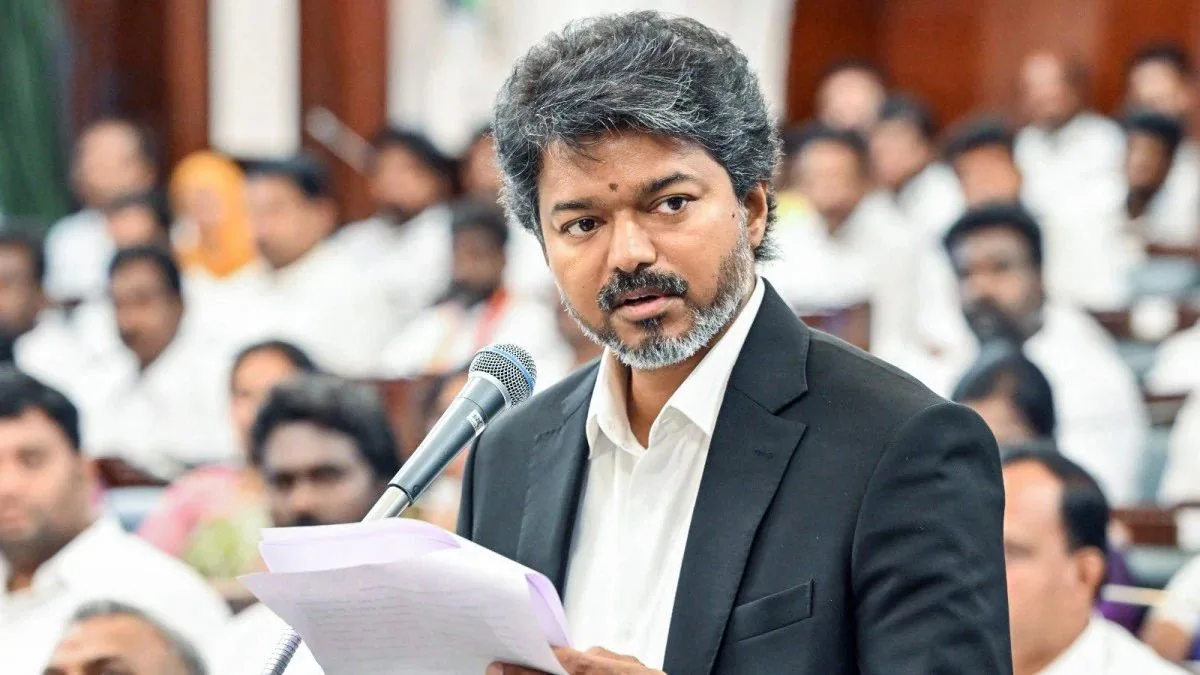
Debunking the DMK’s moral high ground and dismissing its criticism over the Viduthalai Chiruthaigal Katchi (VCK) and the Indian Union Muslim League (IUML) joining the Vijay-led government, both parties on Saturday reminded their former alliance leader that “no one has the right to question our integrity or our decision to be part of the Tamilaga Vettri Kazhagam (TVK) ministry.”
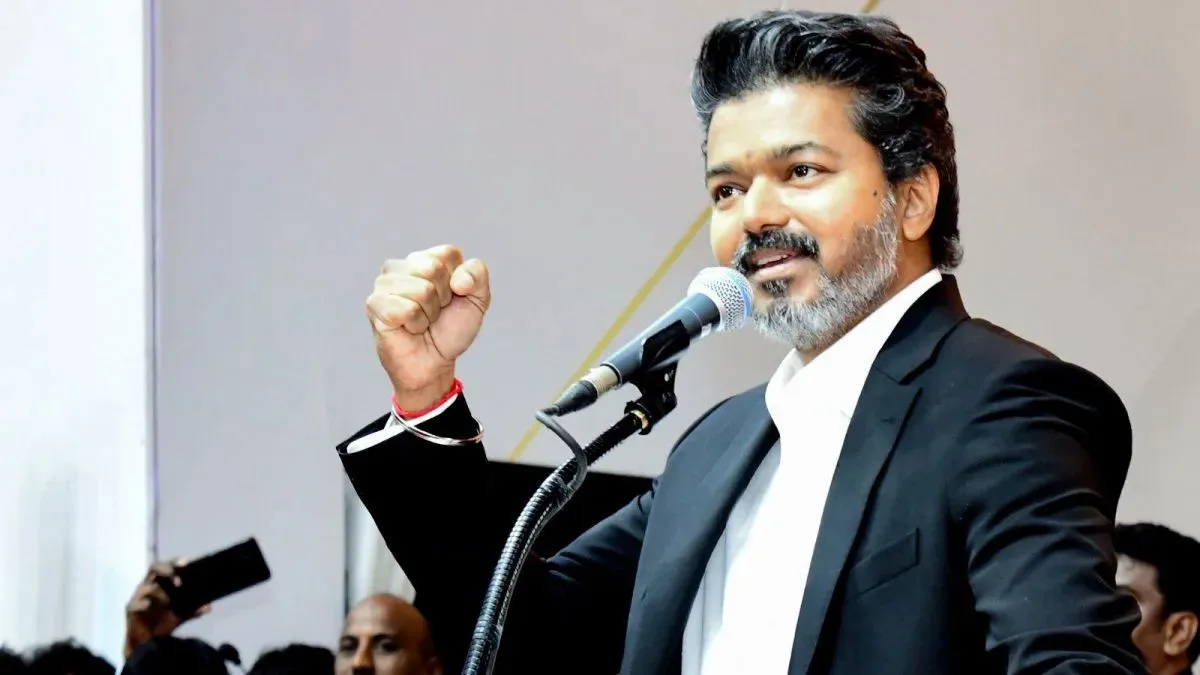
The VCK and the League also took a dig at the DMK for allegedly attempting to form a government in alliance with the AIADMK, disregarding the mandate in favour of actor-politician Vijay, whose TVK emerged as the single largest party.
Advertisement
Countering the criticism that their entry into the Vijay government amounted to political opportunism, the two parties recalled the DMK joining the Vajpayee-led NDA government and later parting ways with the BJP to become a constituent of the Congress-led UPA. They argued that the Dravidian major had no locus standi to preach political morality.
“Prior to the election, I had strived to protect the unity of the DMK-led alliance. After the results, it was not within my powers to prevent the Congress from breaking ranks and the Left parties from deciding to extend support to the TVK so that Vijay could form the government. Before giving the letter of support to the TVK, we explained our decision to DMK president and former Chief Minister M. K. Stalin,” a VCK leader told the media, expressing dismay over DMK leaders targeting the VCK for joining the Vijay Cabinet.
What was left unsaid, however, was the perception within VCK circles that the criticism directed at the party carried undertones of anti-Dalit sentiment.
Interestingly, there is jubilation within the VCK and IUML camps over finally securing representation in government — something that had remained elusive despite their long-standing alliances with the Dravidian majors.
Earlier, a statement from the VCK questioned why the DMK had never shared power with its allies and also referred to the DMK’s alliance with the BJP in 1999, along with its silence over the Gujarat riots while being part of the Vajpayee government.
For its part, IUML president Khader Mohideen warned the DMK against making unwarranted criticism of the League.
“You could not have won without the votes of our community. The DMK should count the votes in the constituencies it has won. Such criticism is unnecessary, and if we decide to counter it, the response would be damaging,” he told a news channel.
He further added, “It is a fact that the DMK and AIADMK attempted to form a government, which was totally unacceptable as it went against the people’s mandate.”
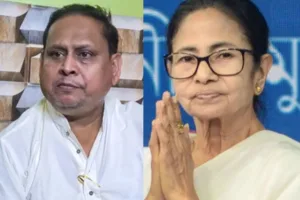
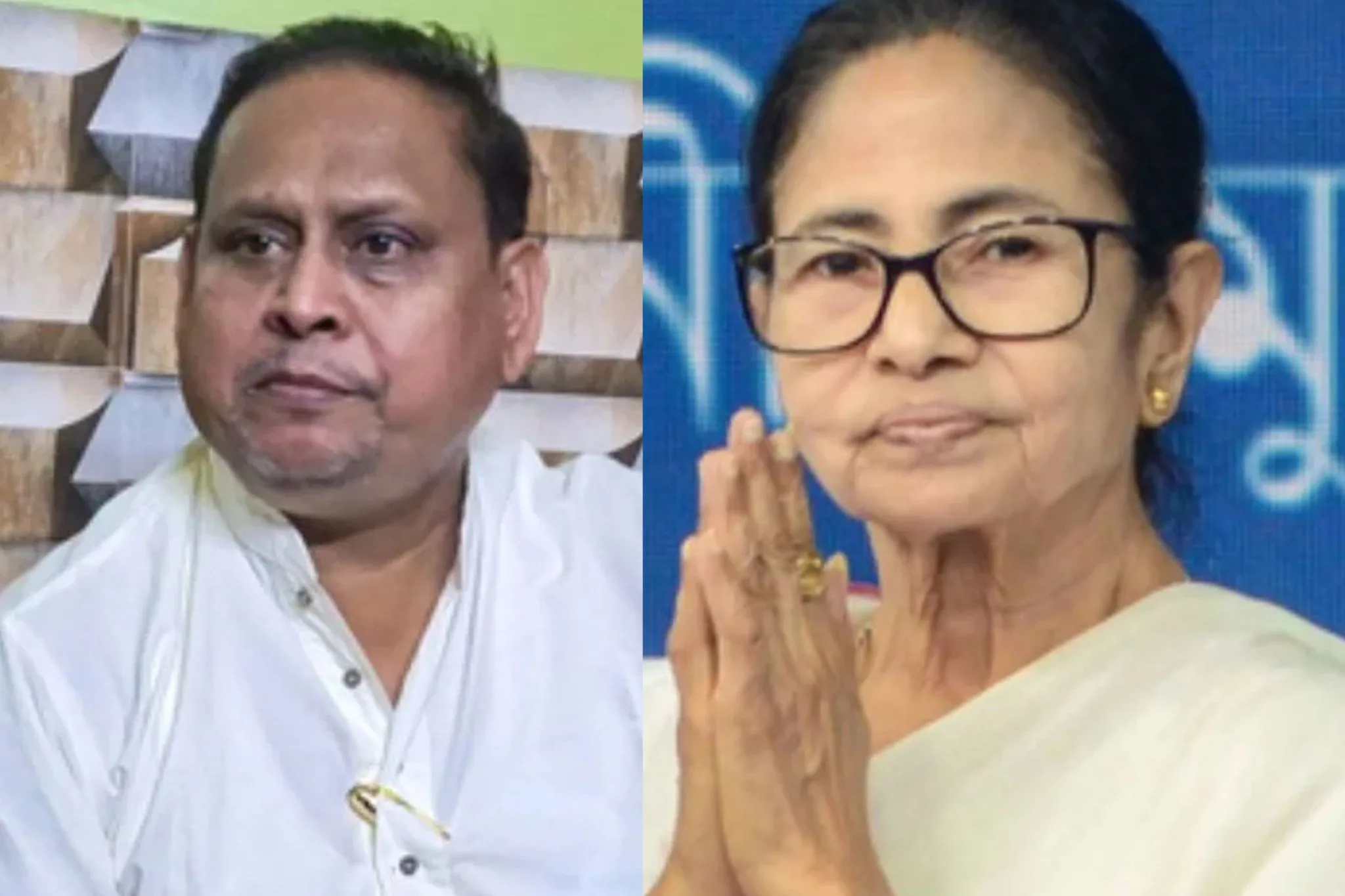
The frustration stemming from the loss of power and political isolation was evident in the remarks made by former Union Minister and DMK MP A. Raja and DMK organising secretary R. S. Bharathi. Their comments triggered backlash not only from the VCK and IUML, but also from the CPI(M) and CPI.
Political observers describe it as the “Vijay factor” that has dramatically altered Tamil Nadu’s political landscape, with not only the Congress but also smaller parties now seeing possibilities for new alignments beyond the traditional DMK-AIADMK axis, which has dominated the state since 1967.
Positioning itself as a party rooted in Dravidian ideals while declaring the BJP its ideological adversary, the TVK has emerged as a new fulcrum for secular political realignment. Analysts believe that this shifting political dynamic is what has unsettled the DMK the most.