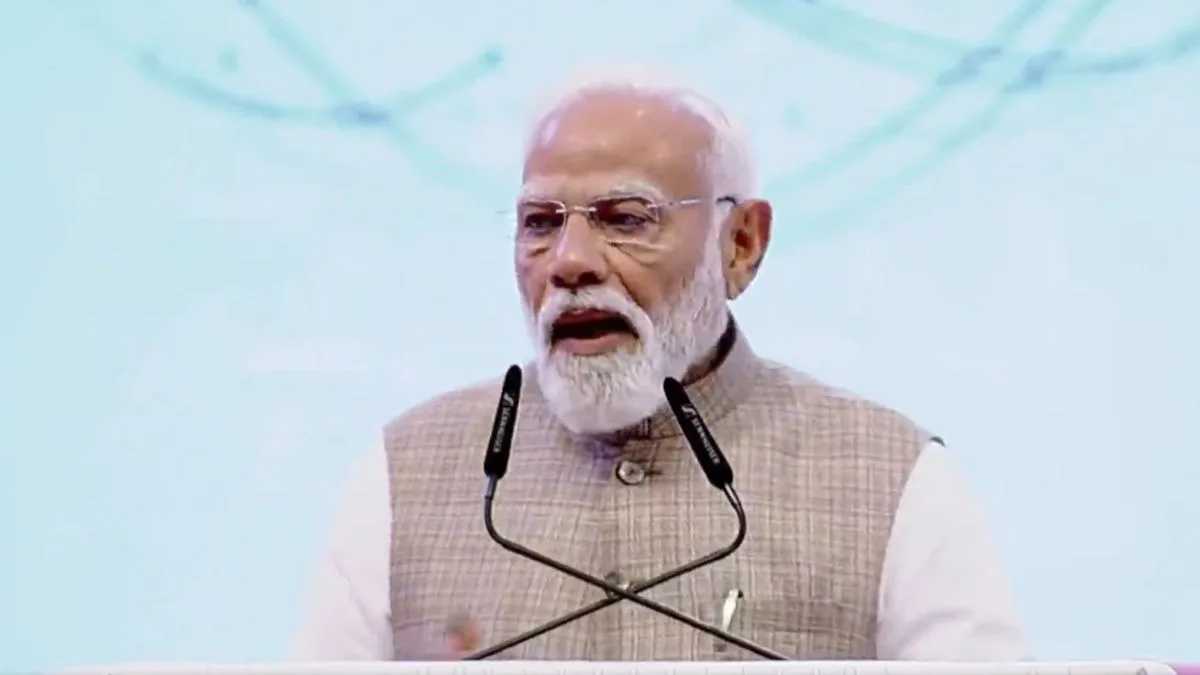
Prime Minister Narendra Modi on Sunday urged citizens to reduce spending on petroleum products, oil, foreign travel and gold to help conserve India’s declining foreign exchange reserves. He advised people to increase the use of public transport and electric vehicles (EVs), revive Covid-era work-from-home arrangements, and avoid non-essential foreign travel and gold purchases for a year, while prioritising local destinations and goods instead.
“Use metros wherever metros are available… All of this will reduce dependency on petrol and diesel, and thereby cut the dependence on foreign currency,” he said.
Advertisement
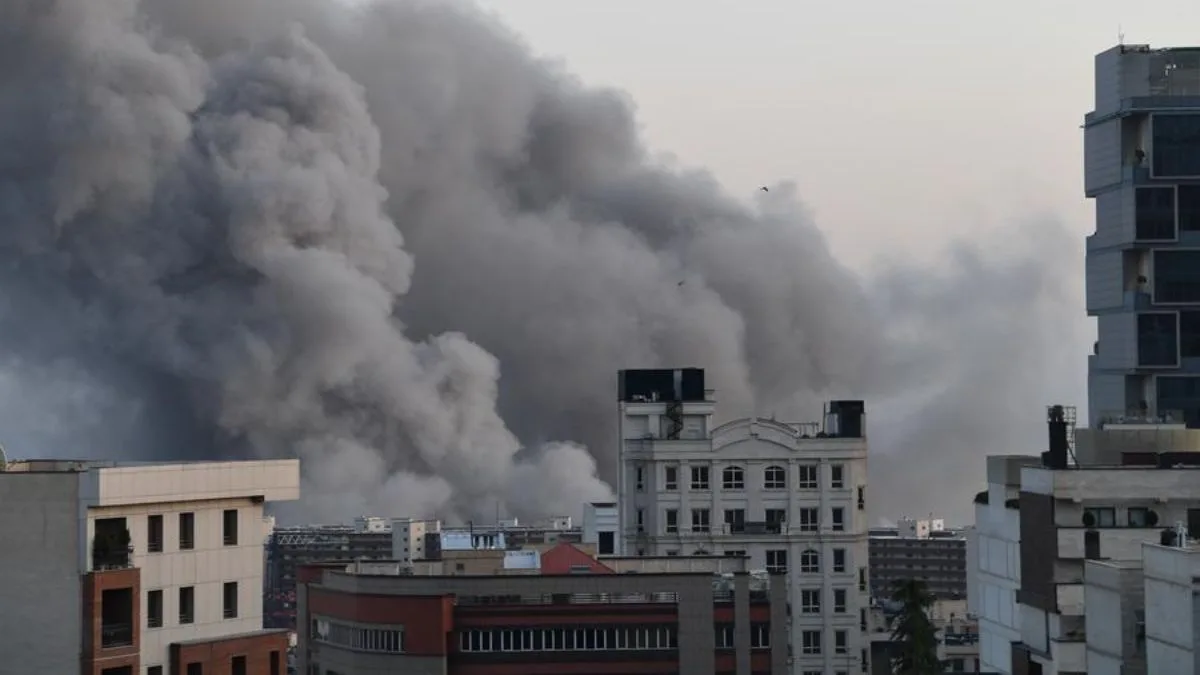
According to initial reports, gold prices fell on Monday following the Prime Minister’s appeal not to buy the precious metal—which experts say was driven by more than one factor, one obviously being the Iran war-driven spike in oil prices which has increased pressure on the rupee and depleted foreign exchange reserves. They add that the conflict in the Middle East has not only disrupted India’s imports but also impacted export earnings. Government data indicates that India’s cumulative exports (merchandise and services) during FY 2025–26 (April–March) are estimated at $860.09 billion, compared to $825.26 billion in FY 2024–25—a growth of just 4.22%.
Meanwhile, amid the most severe energy supply disruption, the rupee has been touching all time lows, further adding pressure on India’s foreign exchange. While higher crude prices are detrimental for India, which imports 90% of its oil requirements and about 50% of its gas needs, the question remains: why gold? The reason, experts say, is simple— India’s foreign exchange reserves are limited, energy is a necessity but gold imports and consumption can be controlled and curtailed.
Indians’ affinity for gold is hardly a secret. The country is among the world’s largest consumers of the precious metal, reportedly importing 700–800 tonnes annually to meet over 90% of domestic demand. Gold imports form a major part of India’s import bill, and rising prices are further increasing costs in a country where gold is more than just an investment, they add.
According to government data, gold imports in FY 2025–26 ending March rose 24.09% year-on-year to $71.98 billion, compared to $58 billion a year earlier. India primarily imports gold from Switzerland, its largest supplier and a global refining hub, which often accounts for 40–56% of total imports. Other source countries include the UAE, South Africa, Peru and Australia.
“Amid economic uncertainty, gold imports in 2025–26 jumped 24.09% to an all-time high of $71.98 billion compared to $58 billion in 2024–25. It was $45.54 billion in 2023–24 and $35 billion in 2022–23. The rise in imports of these precious metals has pushed the country’s trade deficit to $333.2 billion during 2025–26,” sources said. Meanwhile, India has no plans to raise duties on gold and silver imports, they also added a day after the Prime Minister appealed to people to avoid buying gold.